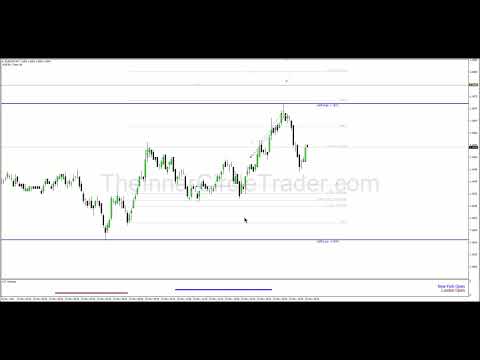
Weekly Summary & Discussion - 11/10/17
Analyzing the Dollar CAD: Insights and Strategies
Overview of Recent Market Activity
- The speaker discusses the recent performance of the Dollar CAD, sharing insights and scenarios for traders to consider.
- Mentions a forum where tutorials are available for free, aimed at helping traders understand market dynamics better.
Importance of Chart Markup
- Emphasizes the significance of marking up charts effectively using techniques from his tutorials.
- Introduces a key question: "What makes a trade too late to enter?" highlighting its relevance in trading decisions.
Understanding Trade Setups
- Discusses how to identify optimal trade entries based on market movements, specifically referencing an impulse leg in the Euro Dollar setup.
- Explores challenges traders face when they miss live setups due to personal circumstances or time constraints.
Entry Techniques and Market Timing
- Advises against relying solely on indicators; instead, suggests drawing lines on charts during specific time frames (e.g., 2 AM - 4 AM for London).
- Addresses common questions about entry techniques, urging traders to focus more on understanding market direction rather than just entry points.
Key Trading Mindset
- Stresses that knowing where the market is likely headed is crucial; without this knowledge, entry patterns become ineffective.
- Reflects on personal experiences with trading fatigue and emphasizes balancing trading with personal life commitments.
Closing Thoughts on Trading Strategy
- Concludes by reiterating that successful trading requires thinking like an institution and defining opportunities based on market direction.
Trading Insights and Strategies
Managing Trade Exits
- The speaker discusses implementing an exit strategy, emphasizing the importance of waiting for market opportunities to exit trades at breakeven without incurring losses.
- They highlight the influence of social media on traders' decisions, stressing that individuals should trust their own judgment rather than relying on external opinions.
- The speaker advises against seeking validation from others when in a trade, encouraging traders to manage their positions based on personal comfort levels.
Understanding Market Context
- The discussion includes how predetermined strategies guide trading decisions, with the speaker sharing insights into entering trades that are already in motion.
- They explain the challenges of timing entries due to personal commitments and how this affects participation in ongoing market movements.
Trading Psychology and Strategy
- The speaker emphasizes entering trades during down close candles, likening this approach to institutional trading practices.
- They discuss the significance of understanding liquidity zones and drawdown levels as critical factors influencing entry and exit points.
Risk Management and Profit Objectives
- A key point made is about focusing on profit objectives rather than stop-losses; the speaker believes that successful exits depend more on targeting profits than merely avoiding losses.
- They illustrate a scenario where missing an ideal entry point can still lead to profitable outcomes if managed correctly.
Learning Through Experience
- The speaker reflects on their mentorship program's completion rates, noting that not all participants achieve similar success despite completing training.
- Emphasizing experience over theoretical knowledge, they express a desire to expedite learning but acknowledge that mastery requires time and practice.
Discipline in Trading Practices
- The importance of discipline in executing exits is highlighted; the speaker shares personal struggles with exiting trades effectively while maintaining focus on profit targets.
Understanding Trading Mindset and Learning
The Importance of Stops in Trading
- Traders often worry about stop losses being hit; however, the speaker emphasizes that if a stop is triggered, it has fulfilled its purpose.
- Consistency in trading can be improved through practice with a demo account, although profitability cannot be guaranteed.
Learning Through Tutorials
- Tutorials provide foundational knowledge but are not quick fixes; they may lead to more questions as traders progress.
- The speaker encourages self-reliance in learning rather than seeking immediate answers from others.
Independent Thinking in Trading
- New traders should focus on developing independent thinking instead of merely copying others' strategies.
- The speaker tests novice students' reactions to trade setups, highlighting the importance of understanding one's own decision-making process.
Emotional Influence on Trading Decisions
- Emotions can affect trading decisions; new traders may not understand the rationale behind experienced traders' actions.
- Relying on another trader's success or failure can hinder personal growth and understanding in trading.
Building Independence as a Trader
- The goal is to foster independence among students so they do not become reliant on the speaker for guidance.
- Engaging with content and practicing diligently will shorten the learning curve, though results will vary by individual.
Current Market Conditions and Personal Focus
- The speaker notes that certain times of the year yield better trading opportunities due to fewer distractions from mentorship obligations.
- A clear market perspective allows for focused decision-making without external pressures affecting performance.
Responsibility and Realistic Expectations
- Newer traders must approach trading with caution, avoiding impulsive decisions based on emotional needs like paying off debts.
Understanding Market Engagement and Scalping Techniques
Commitment to Trading Efforts
- The speaker emphasizes the significant effort put into making trading insights accessible, contrasting it with their usual approach of casually monitoring trades on a smartphone.
Analyzing Market Setups
- A specific market setup for GBP/USD (cable) is discussed, highlighting an entry point based on previous analysis shared on Twitter.
Retail Resistance and Market Psychology
- The speaker notes that retail traders often perceive certain price levels as resistance, which can influence their decision-making regarding short positions.
Liquidity Pools and Scalping Opportunities
- The concept of liquidity pools is introduced, explaining how markets create opportunities for buying after significant price movements.
Realistic Expectations in Trading
- The speaker cautions against unrealistic expectations of achieving high pips weekly, stressing the importance of understanding daily trading dynamics instead.
Mindset and Personal Responsibility in Trading
Impact of Personal Experience on Results
- Individual experiences and psychological factors significantly affect trading outcomes; traders must acknowledge their mistakes to improve.
Learning from Losses
- The speaker shares a personal experience of being stopped out in a trade, illustrating that setbacks are part of the learning process in trading.
Scalping Strategies and Daily Practices
Identifying Key Price Points
- Emphasis is placed on recognizing significant price points for scalping within market maker models to enhance trading effectiveness.
Adapting to Market Conditions
- The speaker discusses adapting strategies based on market conditions while maintaining focus on short-term trades throughout the week.
Developing Skills Through Practice
Importance of Consistent Practice
- Encouragement is given to practice scalping techniques regularly; consistent application can lead to improved ability in identifying setups.
Free Resources Available
- A wealth of free tutorials is offered through the forum, aimed at helping traders understand key concepts without financial investment.
Mentorship Opportunities for Deeper Learning
Upcoming Mentorship Program Details
- Information about an upcoming mentorship program is provided, including monthly enrollment options designed for ongoing learning beyond initial content access.
Accessing Advanced Insights
Understanding the Value of Mentorship in Trading
The Role of Free Tutorials vs. Mentorship
- Many individuals succeed using free tutorials without enrolling in mentorship, highlighting that mentorship is not a necessity for success.
- The speaker emphasizes that valuable setups can be found through self-study and tutorials, suggesting that learners can thrive independently.
- While tutorials provide substantial knowledge, they may lack the precision and engagement offered by direct mentorship experiences.
The Unique Benefits of Mentorship
- The speaker acknowledges their intent to promote mentorship while stressing its superior value compared to scattered video content available elsewhere.
- Engaging with a mentor allows for personalized questions and deeper understanding, which cannot be achieved through passive video consumption alone.
- Participants are paying for focused attention on specific analyses rather than just access to videos; this distinction is crucial for effective learning.
Learning Environment and Expectations
- The speaker clarifies that certain advanced topics will not be discussed openly, emphasizing the exclusivity of insights gained through mentorship.
- There are no guarantees of profitability from mentorship; it serves as a platform for learning rather than a promise of financial success.
- Teaching occurs primarily through demo accounts, contrasting with licensed professionals who can offer live trading advice.
Internalizing Knowledge and Feedback
- The focus is on helping students internalize price action analysis rather than celebrating monetary gains from trades made in live accounts.
- Constructive feedback regarding learning outcomes is preferred over discussions about profits or losses; the goal is comprehension and skill development.
Future Directions in Learning
- Emphasis on consistency in concepts taught throughout the week indicates a commitment to quality education over mere transactional relationships with students.
- Acknowledgment of numerous mentors in the field suggests an intention to differentiate based on substance rather than competition or comparison with others.
Reflection on Trading Performance and Future Plans
Overview of Current Workload
- The speaker expresses feeling drained but is committed to completing "volume three" by midnight New York time, ensuring timely delivery.
- They hope that the audience has found inspiration or useful educational content throughout the week.
Self-Assessment of Trading Skills
- The speaker reflects on their trading abilities, stating they can trade consistently, though not perfectly.
- They acknowledge a desire for better exit strategies but express contentment with their current performance level.
Turn any video into a summary like this
YouTube links, meetings, lectures. With transcripts, search, and chat.