¿Qué fue el Romanticismo Literario? Características, Obras y Representantes📝
Overview of Literary Romanticism
Definition and Historical Context
- Literary romanticism emerged between the late 18th and mid-19th centuries across Europe, opposing the cosmopolitan and extreme ideas of the French Enlightenment.
- This literary movement sought to counteract capitalism arising from the Industrial Revolution, emphasizing a return to nature and cultural identity.
Key Characteristics of Romantic Literature
- The essence of romantic literature is to reconnect people with transcendence through writing, viewing formalism as an obstacle to creativity.
- Contrary to modern interpretations, "romantic" in the 17th century referred more to melancholy associated with nature rather than love; it was linked with the incredible and fantastic.
Themes in Romanticism
- A strong yearning for cultural origins and identity is evident, promoting a connection between man and nature while rejecting mechanical life.
- The movement advocates for individual freedom in creation and thought, emphasizing a direct relationship between man and God without intermediaries.
Nationalism and Economic Perspectives
National Identity in Romantic Works
- National pride plays a crucial role in romantic literature, highlighting love for one's homeland while presenting destiny as mystical and preordained.
Critique of Economic Motivations
- The romantic perspective criticizes art created solely for economic reasons, valuing practical benefits over monetary gain.
Spread of Romanticism Across Europe
Geographic Influence
- Literary romanticism spread from Germany throughout Europe, significantly impacting both American and Asian continents.
Prominent Figures in French Romanticism
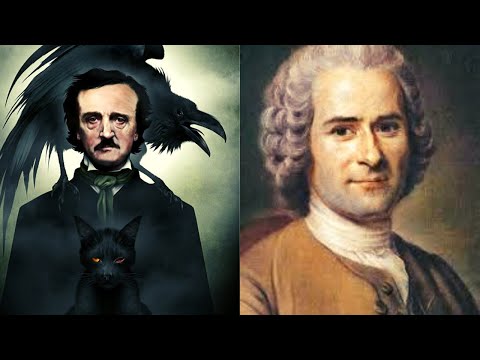
- France is noted as a key birthplace of romantic ideals. Notable figures include Madame de Stäel, Jean-Jacques Rousseau, Alexandre Dumas, Gérard de Nerval, Alfred de Musset, Alphonse de Lamartine, Charles Nodier, and Victor Hugo.
Contributions from Other Regions
Revival of Regional Languages
- In France's romantic period, there was a resurgence of non-official languages like Provençal led by Frédéric Mistral aiming to revive ancient troubadour poetry.
English Romantic Movement
- England developed its own version of literary romanticism alongside Germany. Early signs included themes related to rural life and individual freedoms while distancing from formal liturgical practices.
Pre-Romantic Influences
Emergence of Pre-Romantic Poets
- Pre-romantics such as James Macpherson and Thomas Chatterton paved the way for later movements. They were characterized by dark themes often reflecting on mortality through their works.
Major English Romantics
Notable Authors
- Key figures like Lord Byron made significant contributions that are still revered today within global literature. Their works are considered cult classics within the romantic genre.
Spanish Romanticism
Political Climate Impacting Literature
- Spain's tumultuous political environment during the 19th century influenced its adoption of romantic ideals. Writers often faced exile or death due to oppressive regimes which stifled creative expression.
Romanticism in Literature
Spanish Romanticism
- José María Blanco White, through his newspaper Variedades, significantly contributed to the development of Romanticism among liberal writers in exile.
- The death of King Fernando VII in 1833 marked a pivotal moment for the rise of Romanticism in Spain, challenging neoclassical positions.
Italian Romanticism
- Notable figures include Giovanni Verga, Giacomo Leopardi, and Ugo Foscolo; they emphasized historical novels and poetry while opposing Enlightenment ideals.
Colombian Romanticism
- Emerging during Colombia's fight for independence (1810), romantic texts celebrated freedom, nature's beauty, and cultural identity.
- Common themes included existential struggles and social adversities; poetry and narrative were dominant forms of expression.
- Key authors: Rafael Pombo, José Eusebio Caro, Julio Flórez.
Argentine Romanticism
- The "Generation of '37," led by Esteban Echeverría, integrated local dialects into literature while addressing social issues.
- Prominent authors like José Hernández and Domingo Faustino Sarmiento highlighted national pride and cultural roots.
Other Latin American Contributions
- Mexico's Ignacio Manuel Altamirano and Guillermo Cuba’s Gertrudis Gómez de Avellaneda are notable figures alongside Venezuelan Eduardo Blanco.
Significant Authors Across Regions
- Johann Wolfgang Goethe (Germany): Clavijo (1774), Faust (1807).
- Alexander Pushkin (Russia): El prisionero del Cáucaso (1821), Los crímenes de la calle Morgue (1841).
Additional Noteworthy Works
- Edgar Allan Poe (USA): La narración de Arthur Gordon Pym (1838).
- Alberto Blest Gana (Chile): El primer amor (1858).