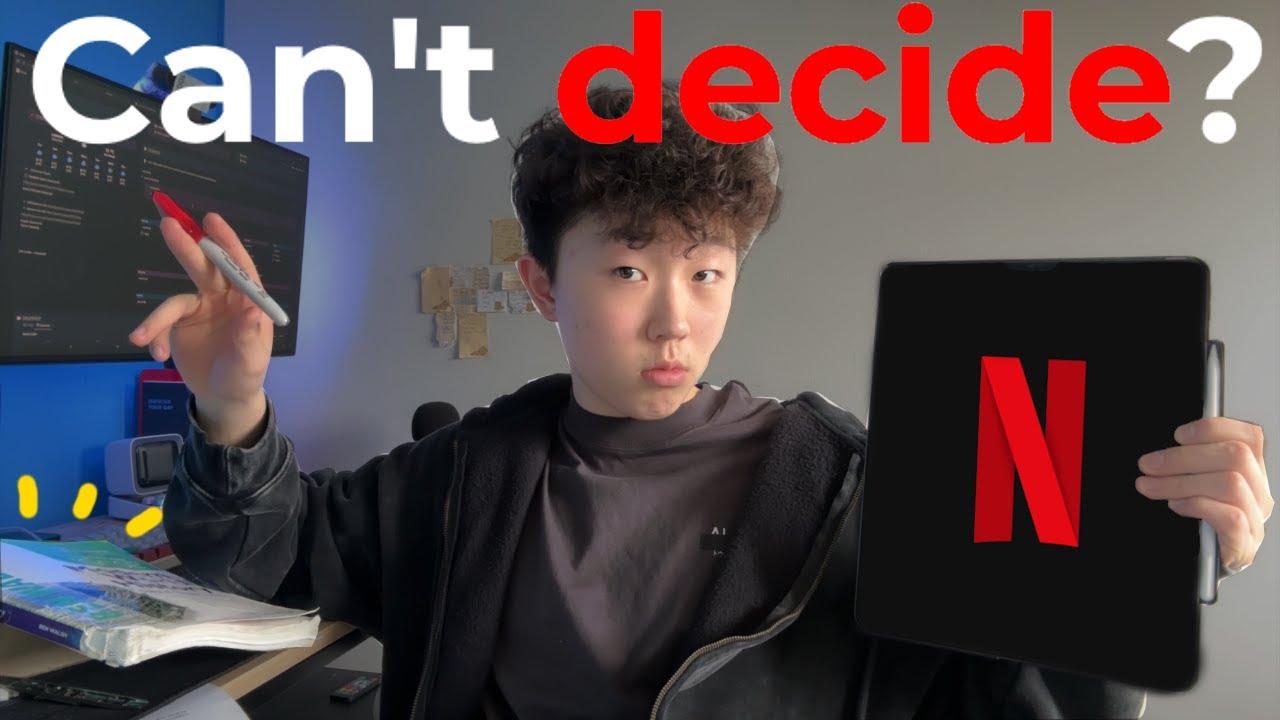
How to study when you don’t feel like it
The Impact of Decisions on Life
The Excitement and Pressure of Choices
- The speaker describes a visit to Hmart, a Korean supermarket, where they can choose one treat. This moment is filled with excitement but also pressure due to the significance of the decision.
- In the store, the speaker holds two snacks: "panana Kiko" (a banana biscuit) and "B" (a chocolate stick), contemplating their choices deeply.
- As they visualize how each snack will taste, they experience anxiety about making the right choice, feeling a sense of impending doom as their mother grows impatient.
The Nature of Decision-Making
- After choosing the banana snack, the speaker reflects on whether it was the right decision while eating in the car, indicating that this choice affects their mood for the rest of the day.
- The speaker discusses how life consists of decisions made from childhood onward; initially influenced by parents and later becoming self-directed choices akin to "Choose Your Own Adventure" books.
- Each decision leads down different pathways that shape future outcomes; even small choices can significantly impact one's day or life trajectory.
Daily Decisions and Their Consequences
- A morning example illustrates how waking up at 6:00 AM versus hitting snooze can set off a chain reaction affecting various aspects of one's day.
- Poor decisions throughout a day—like skipping homework or indulging in treats—can lead to negative spirals while good decisions promote progress and positivity.
- The human brain makes approximately 35,000 decisions daily; these choices cumulatively determine one's success or failure over time.
Reflections on Personal Decision-Making
- The speaker shares their personal journey with decision-making struggles, noting that despite having 70,000 YouTube subscribers due to past choices, they often question if they made all the right ones.
- They acknowledge that had every decision been perfect, they might have achieved greater success but recognize that imperfection is part of life’s journey.
Overcoming Decision Paralysis
- The speaker admits to struggling with self-doubt when making decisions since childhood; this has led them to overthink even simple choices like snacks or studying versus gaming.
- They express frustration during leisure activities because thoughts about missed responsibilities overshadow enjoyment.
- To make better decisions moving forward, it's essential to confront mortality and understand that present actions affect future well-being.
Simplifying Decision-Making
Understanding Decision-Making and Future Self
The Impact of Visual Reminders on Decision-Making
- A study showed that individuals who had reminders of their future selves (like older versions of themselves as wallpaper) made smarter decisions. This highlights the importance of recognizing the connection between present actions and future outcomes.
- Making good decisions now can create a positive feedback loop, leading to more good decisions in the future. Conversely, poor choices can lead to a negative spiral, resulting in worse outcomes over time.
Techniques for Better Decision-Making
- The 555 technique is introduced as a method for evaluating decisions by considering how one will feel in 5 minutes, 5 hours, and 5 days after making a choice. This helps frame immediate gratification against long-term consequences.
- Reflecting on future feelings about current choices (e.g., eating birthday cake) can deter impulsive actions that may hinder progress towards personal goals.
Overcoming Procrastination and Indecision
- The speaker shares personal experiences with procrastination, emphasizing the need to prioritize responsibilities (like studying for a test) over distractions (like scrolling on the phone).
- Encouragement from parents played a crucial role in developing decision-making skills. Learning to make one's own choices fosters accountability and commitment to those choices.
Responsibility in Choices
- When someone else makes decisions for you (e.g., choosing an instrument), it can lead to feelings of resentment or lack of motivation. Taking ownership of your choices increases perseverance through challenges.
- A mindset shift occurs when individuals recognize their agency in decision-making; this leads to greater resilience when facing obstacles related to their chosen paths.
Embracing Decisions Fully
- The speaker reflects on the difficulty of choosing between comfort (like staying cozy in bed) versus productivity (studying). Recognizing potential disappointment at day's end often motivates better choices.
- It's important to fully commit to your decisions—if you choose leisure over responsibility, enjoy it without guilt. Guilt can lead to further negative decision-making throughout the day.
Community Support for Growth