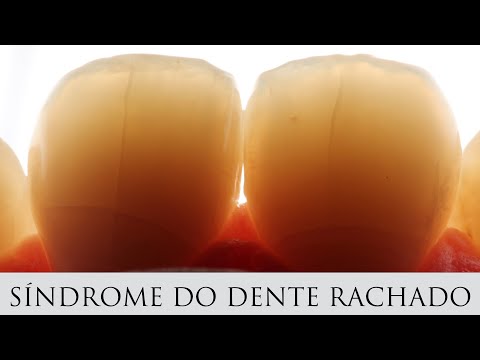
Síndrome do dente rachado
Cracked Tooth Syndrome: Understanding Diagnosis and Treatment
Introduction to Cracked Tooth Syndrome
- The speaker introduces the topic of cracked tooth syndrome, emphasizing its importance in dentistry and the commonality of misdiagnosis.
- Cracked tooth syndrome is often mistaken for other dental issues due to similar symptoms, leading to incorrect treatments.
Challenges in Diagnosis
- The difficulty in diagnosing cracked tooth syndrome stems from its symptoms overlapping with other dental pains, complicating differential diagnosis.
- Specific symptoms must be identified collectively to reach a correct diagnosis; dentists often rule out other conditions first.
Characteristics of Cracks
- Cracks can involve enamel and dentin but may not always lead to complete separation of tooth parts, making them hard to visualize.
- Depending on the crack's location and extent, treatment options vary significantly; some cracks may require complex interventions.
Factors Contributing to Cracked Teeth
- Lower molars are more frequently affected due to their position and stress they endure; small cracks can escalate into larger fractures over time.
- External factors like trauma or restorations (e.g., metal fillings) contribute significantly to the development of cracks.
Impact of Restorations on Tooth Integrity
- Metal restorations can create pressure within cavities that lead to microcracks due to differing thermal expansion rates between metal and tooth structure.
- Composite resin restorations also pose risks if not properly executed; improper volume or quality can result in similar cracking issues.
Consequences of Untreated Cracks
- Proximity of cracks to dental pulp increases risk for bacterial infiltration, potentially leading to severe complications requiring root canal treatment.
Understanding Occlusal Trauma and Its Effects
The Impact of Occlusal Trauma
- Occlusal trauma can overload dental roots, leading to cracks that propagate over time, resulting in catastrophic failure and necessitating root removal.
- Clenching habits should be evaluated as they are significant etiological factors for dental issues, including the formation of stains.
Iatrogenic Factors in Dental Treatment
- Historical reliance on adhesive systems has evolved; modern practices now utilize only proven efficient adhesive systems for dental restorations.
- Internal cracks may arise from thermal expansion differences between materials used in dental procedures.
Causes of Cracks in Teeth
- Accidents caused by crunchy foods (e.g., popcorn, cereals) can lead to tooth cracks due to their rigidity.
- Patients' habits such as nail-biting or using teeth to open packages contribute significantly to crack formation.
Thermal Fatigue and Sensitivity
- Alternating between hot and cold substances can cause thermal fatigue, leading to micro-cracks within teeth due to constant expansion and contraction.
- Symptoms often include pain while chewing, which varies based on how the patient bites or chews food.
Diagnosing Cracked Tooth Syndrome
- Patients may experience thermal sensitivity when consuming hot or cold drinks due to micro-movements causing dentin exposure.
- Traditional desensitizing treatments may not alleviate symptoms effectively if internal cracks are present.
Challenges in Diagnosis
- Diagnosing cracked tooth syndrome is complicated as cracks may not be visible during routine examinations; thorough anamnesis is crucial.
- Differential diagnosis must rule out common conditions like caries or periodontal diseases before concluding a cracked tooth syndrome diagnosis.
Clinical Evaluation Techniques
- Visual inspections alone may miss internal cracks; occlusal tests using cotton wool or wooden sticks help identify painful symptoms associated with these fractures.
Understanding Cracked Tooth Syndrome
Diagnosis and Identification of Cracks
- The use of light as a diagnostic tool can reveal cracks in dental elements, creating shadows that indicate their presence. Specific equipment or an activator focus may be employed for this purpose, but caution is advised regarding vision safety.
- Safety glasses are essential to protect the dental surgeon's vision during examinations, especially when using certain equipment for short periods. Proper protective measures are crucial to avoid potential damage.
- In regions like Africa, pigmentation from cracks in dentin can be more easily visualized; however, deeper cracks may require significant removal of dental tissue to address both the crack and any associated discoloration.
Importance of Modern Diagnostic Techniques
- Advanced imaging technology allows biologists and dentists to identify cracks effectively, which is vital for assessing whether a tooth affected by cracked tooth syndrome can be restored or if extraction is necessary due to root compromise.
- Treatment decisions hinge on the severity and extent of the cracks; simpler cases allow for resin infiltration while more complex situations may necessitate extensive intervention or even extraction based on symptoms and crack depth.
Treatment Approaches
- Orthodontic bands can be utilized as a treatment method to stabilize micro-movements caused by cracks, aiding in diagnosis by monitoring patient symptoms over time. This approach helps determine if further action is needed based on symptom relief after a week.
- The primary goal of treatment involves controlling clinic conditions and minimizing micro-movement propagation within the tooth structure; this includes addressing sensitivity issues related to pulp health as well as preventing further crack development.
Restoration Strategies
- Depending on the location and depth of the cracks, different restoration techniques are recommended: direct restorations for superficial cracks versus indirect restorations for more extensive damage that affects entire crowns. Understanding these distinctions aids in effective treatment planning.
- Case examples illustrate varying approaches: an upper molar with multiple severe cracks might require comprehensive ceramic crown restoration with adhesive systems, while a lower molar could benefit from less invasive treatments utilizing ceramics through adhesion methods.
Post-Treatment Care and Longevity
- Post-restoration care is critical; patients should receive guidance on occlusal adjustments to mitigate etiological factors contributing to crack formation, thereby enhancing restoration longevity and protecting adjacent teeth from similar issues.