ICT Supplemental Session 01 - Mastering High Probability Scalping
Mastering High Probability Scalping: An Overview
Introduction to Scalping Principles
- The speaker introduces the concept of mastering high probability scalping across three volumes, emphasizing practical application rather than hindsight analysis.
- Focus is on the British Pound USD (cable) daily chart, highlighting its current trading range and the importance of identifying swing points for reversal patterns.
Analyzing Market Behavior
- The discussion shifts to the hourly chart, noting a previous low where price showed reluctance to rally, suggesting a preference for range-bound trading.
- Emphasis on recognizing old support levels and anticipating market movement towards previous resistance points as part of a simple strategy.
Understanding Clean Levels
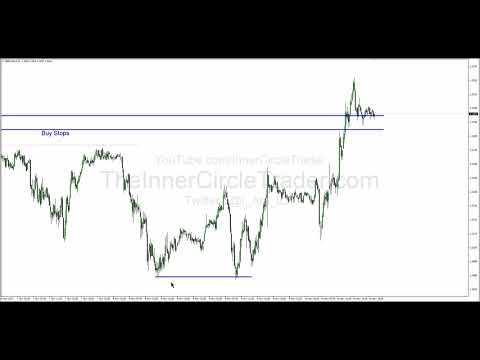
- The speaker defines "clean" levels as uniform horizontal support/resistance that often attracts retail traders' attention, leading to potential market manipulation.
- Discussion on how institutional traders may exploit these clean levels by placing buy stops above them, creating opportunities for price reversals.
Institutional Mindset and Price Targets
- Explanation of how smart money operates at key levels like 130.180, aiming to trigger buy stops from short positions in the market.
- Anticipation that prices will typically exceed previous highs/lows by 10 to 20 pips; this insight helps set realistic targets for trades.
Execution Strategy and Timeframes
- Transitioning to a lower timeframe (15-minute), focusing on specific trading zones such as the New York ICT kill zone which occurs between 7 AM and 9 AM NY time.
- The speaker shares personal experiences with trade execution based on forecasted levels from prior days, reinforcing predictability in market behavior.
Importance of Trade Preparation
- Key levels are reiterated (31.90 and 31.80), stressing their significance in planning future trades while avoiding reliance on double tops/bottoms.
Scalping Strategies for the New York Session
Anticipating Market Movements
- The session begins at 7:00 AM New York time, focusing on scalping opportunities during the New York session while referencing the London low.
- A retracement is anticipated after 7:00 AM, using previous session lows as a reference point to identify potential swing lows.
Analyzing Price Action
- The analysis involves identifying a swing low within the defined kill zone and applying Fibonacci retracement levels to gauge market movements.
- Target prices are set between 3182 and 3190, with an emphasis on confluences that support long positions.
Entry Patterns and Timeframes
- Entry patterns are discussed, highlighting their importance in timing trades; further precision is sought by analyzing lower timeframes like the 5-minute chart.
- Adjustments to Fibonacci levels are made for accuracy, ensuring alignment with market structure.
Missed Opportunities and Alternative Strategies
- If initial entry points are missed, traders should still anticipate price movements towards target areas throughout the New York session.
- The concept of "power three" is introduced, indicating accumulation manipulation leading to significant price movements.
Utilizing Smaller Timeframes for Precision
- Transitioning to a 1-minute chart allows for refined entry strategies even if earlier opportunities were missed.
- Identifying smaller fractals or patterns can provide additional entry points aligned with larger market trends.
Analyzing Eurodollar Trading
Overview of Eurodollar Trends
- A daily chart analysis reveals a recent swing low formation following trading below an old low, indicating a shift towards buy mode.
Intraday Analysis of Eurodollar
Market Analysis and Trading Strategies
Understanding Market Patterns
- The discussion begins with an analysis of the British Pound to USD, focusing on resting buy stops above two equal highs. A horizontal line is drawn at the old high level, indicating a key resistance point.
- The speaker identifies a double top formation at the 11650 level, suggesting that traders will aim to push prices above this level by 10 to 20 pips for potential breakout opportunities.
Price Movement and Fibonacci Retracement
- Observations are made about price movements during the London session on Friday, noting that while initial levels were taken out, there was a retracement below the previous high. The importance of tracking these movements is emphasized.
- A Fibonacci retracement tool is introduced to identify optimal trade entry points. The speaker highlights using the lowest open or close against the highest open or close to find a 62% retracement level as a buying opportunity.
Trade Execution and Strategy
- Transitioning to a five-minute time frame for more precise trading decisions, specific levels are marked where buy stops would be placed just above identified resistance levels.
- An objective target of 1680 is mentioned based on institutional levels; however, it’s noted that market conditions may not always provide ideal entry points for trades.
Key Takeaways from Market Movements
- The speaker emphasizes recalibrating strategies based on market behavior and confirms that buying can occur when prices are below certain thresholds without jeopardizing stop-loss positions.
Turn any video into a summary like this
YouTube links, meetings, lectures. With transcripts, search, and chat.