El arte Romano - Historia del arte - Udla en línea
Art History: Roman Art
The lecture delves into the discipline of art history, focusing on Roman art as the final great civilization of the ancient world. It explores the significance of Roman art in architecture, sculpture, and painting within the context of the Roman Empire's dominance.
Architecture in Roman Art
- Roman art was characterized by pragmatism over beauty, with a focus on monumental architecture showcasing power and superiority.
- The strong organization and personality of the Roman Empire influenced a centralized and unitary art style that spanned across the empire's provinces.
- Key features of Roman architecture included rationality, functionality, grandiosity, and incorporation of arches and vaults from Etruscan and Greek influences.
Architectural Designations in Rome
- Three main architectural designations in Rome were civil architecture, commemorative architecture, and religious architecture.
- Public buildings like basilicas served administrative and commercial purposes while structures like baths (termas) provided citizens with hygiene facilities and leisure spaces.
Entertainment Structures and Engineering Works
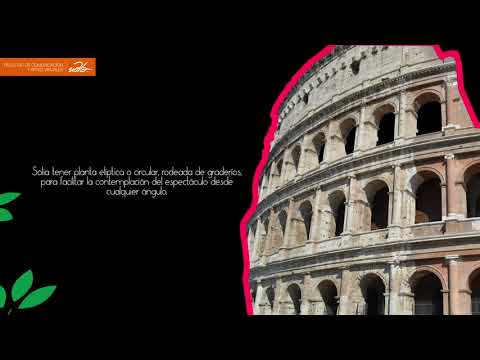
- Amphitheaters like the Colosseum were built for entertainment such as gladiator fights, showcasing Roman engineering prowess.
- Circuses were designed for chariot races and athletic competitions, reflecting both military infrastructure needs and cultural entertainment demands.
Evolution of Roman Sculpture
The evolution of Roman sculpture is discussed through two parallel aesthetic trends - popular realism and aristocratic idealism. The lecture highlights how these trends manifested in different historical periods.
Aesthetic Trends in Sculpture
- Two aesthetic trends existed: popular realism emphasizing everyday life details; aristocratic idealism portraying perfection.