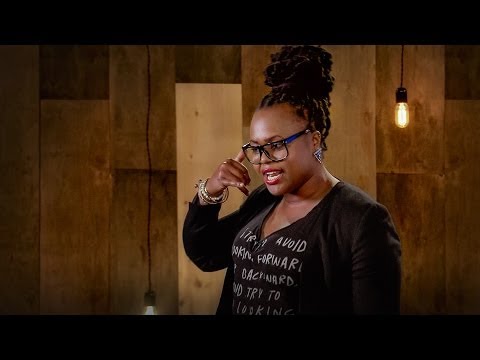
Jamila Lyiscott: 3 ways to speak English | TED
The Power of Articulation
In this section, the speaker reflects on the power of being articulate and challenges societal expectations around language proficiency.
Being "Articulate"
- The speaker describes an encounter where someone labeled them as "articulate" due to their ability to enunciate and speak well.
- They question the need for conscious enunciation and diction, as they naturally possess these skills.
- The speaker highlights instances where their responses, influenced by urban culture, are misunderstood but still convey their intended meaning.
- They assert that being "articulate" does not require conforming to a specific linguistic style.
Multifaceted English Language
- The speaker ponders who controls articulation and emphasizes that the English language is complex and subject to transformation.
- They challenge the notion that speaking broken English is ignorant, pointing out that even "articulate" Americans may sound foolish to British people.
- The speaker shares examples of how they navigate different linguistic contexts, switching between languages depending on the setting.
- They express frustration with Eurocentric ideals and advocate for treating all languages equally.
Linguistic Celebration
- The speaker acknowledges borrowing the English language due to historical circumstances but rejects judgment based on language proficiency.
- They criticize negative stereotypes associated with certain dialects or accents and call for equality in recognizing diverse linguistic expressions.
- The speaker asserts that celebrating linguistic diversity is not promoting ignorance but rather embracing cultural richness.
Tri-Lingual Skills
- The speaker mentions being trilingual, using different languages for home, school, and friends.
- They describe moments of mixing languages or struggling with maintaining consistency in various settings.
- The speaker expresses a desire for their language to be respected despite its history of oppression.
Diversifying Consumer Market
- The speaker humorously mentions including "tri-lingual" on a job application to highlight their ability to diversify the consumer market.
- They express willingness to demonstrate their language skills during an interview, using phrases from different languages.
Language and History
In this section, the speaker delves into the impact of language on history and identity, addressing racial disparities and cultural erasure.
Language as a Reminder
- The speaker asserts that speaking broken English serves as a reminder of the historical trauma experienced by their community.
- They express exhaustion with negative portrayals of their people in media and reject derogatory judgments based on appearance or hair texture.
- The speaker emphasizes the importance of recognizing the loss suffered by marginalized communities and treating their linguistic contributions equally.
Linguistic Celebration Continued
- The speaker reiterates that celebrating linguistic diversity is not promoting ignorance but rather embracing cultural richness.
- They emphasize that language carries historical imprints and should be respected accordingly.
Conclusion: Articulation Matters
In this concluding section, the speaker summarizes their perspective on articulation and its significance in society.
Embracing Linguistic Diversity
- The speaker concludes by affirming their commitment to linguistic celebration and equal recognition of all languages.
- They highlight how being articulate goes beyond conforming to societal expectations but encompasses embracing diverse linguistic expressions.
Timestamps are provided for each section to facilitate navigation through the transcript.
Turn any video into a summary like this
YouTube links, meetings, lectures. With transcripts, search, and chat.