State of Philippines Freshwater Biodiversity
State of Philippine Biodiversity Webinar
Introduction to the Webinar
- The webinar series focuses on the state of Philippine biodiversity, organized by the Mendota Biodiversity Conservation Foundation (MBCFI) in partnership with Oceania Philippines.
- It highlights the importance of biodiversity in the Philippines, which is recognized as one of the richest countries globally due to its geographic location and endemic species.
Importance of Biodiversity
- The decline in biodiversity poses significant threats, making the Philippines a biodiversity hotspot that requires urgent attention.
- Empowering individuals through knowledge-sharing webinars can lead to increased awareness and protection efforts for natural habitats, ultimately reducing ecosystem disturbances.
Contextual Significance
- The webinar coincides with International Day of Biological Diversity, emphasizing nature-based solutions for conservation. The theme for this year is "Our Solutions are in Nature."
- Participants are encouraged to engage by submitting questions during the session for a Q&A segment later on.
Speaker Introduction
- Today's speaker is Mr. Bonifacio Hero Labattos, Executive Director at the Center for Aquatic Resources Research and Conservation (CARC), who has extensive experience in freshwater ecosystems and environmental planning.
- His academic background includes degrees from the University of the Philippines and ongoing PhD studies focused on Urban and Regional Planning. He specializes in freshwater fish economics and environmental impact assessments.
Overview of CARC Projects
- CARC was established in 2012 and currently implements various projects aimed at assessing Philippine freshwater fish stocks, including:
- A taxonomic initiative to update checklists of Philippine freshwater fishes.
- Surveys of understudied crater lakes across the country.
- Profiling freshwater fishes thriving in caves.
- Assessing conservation statuses based on field surveys conducted throughout various regions.
Presentation Focus: Freshwater Biodiversity
Overview of Freshwater Ecosystems in the Philippines
Introduction to Ecosystems
- The presentation discusses various ecosystems, including the hypogeum ecosystem related to caves and groundwater.
- It highlights the Atlantic ecosystem's connection to freshwater ecology, emphasizing inland waters such as lakes, reservoirs, marshes, and swamps.
Major Lakes in the Philippines
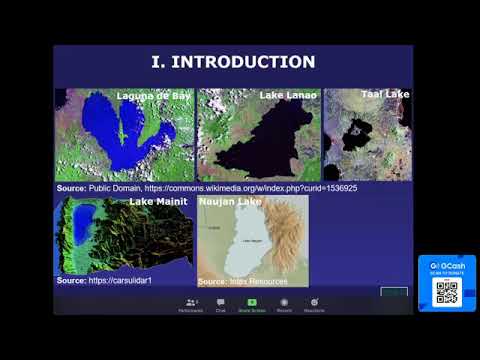
- The Philippines has 216 lakes, each hosting unique species before human-induced changes introduced invasive species.
- Laguna de Bay is identified as the largest lake at 90,000 hectares; Lake Sebu is also mentioned for its significance despite being smaller.
Overview of Rivers and River Basins
- There are 421 major rivers categorized into 21 river basins across the country. Key basins include the Agusan River Basin and Mindanao River Basin.
- The Mindanao River Basin is noted as the largest in Mindanao, affecting several provinces like South Cotabato and Davao del Sur.
Caves and Their Importance
- The Philippines boasts around 1,500 caves; Laibud Cave is highlighted as the largest cave system in Southeast Asia with an area of 2,868 hectares.
- Other notable caves include Puerto Princesa Underground River, recognized as one of the longest navigable underground rivers globally.
Freshwater Fish Diversity
Species Overview
- Freshwater fishes represent a significant vertebrate group with approximately 28,000 described species worldwide; about 1,000 are found in freshwater environments.
- Notable historical periods for fish description include 1920 to 1940 when many new species were documented by researchers like Albert Harry.
Endemic vs Introduced Species
- The presentation distinguishes between endemic (unique to specific regions) and introduced species (those brought by human activities). Currently noted are:
- 53 introduced species
- 84 endemic species
- 214 native species which exist within their natural distribution range without human intervention.
Current State of Freshwater Biodiversity
Challenges Facing Biodiversity
- Laguna de Bay hosts endemic species like Lippa Terrapin but faces declining populations due to water quality issues and invasive alien species presence such as tilapia and other non-native fish types.
Biodiversity and Conservation of Lake Lanao
Overview of Fish Species in Lake Lanao
- The discussion begins with the mention of various fish species, including tilapia and armored catfish, highlighting their presence in the area.
- In 2015, a significant taxonomic change occurred when several genera were reclassified under one genus, impacting the understanding of biodiversity in Lake Lanao.
- Two primate species previously thought extinct were rediscovered by researchers from Mindanao State University in 2008 and 2018.
Threats to Biodiversity
- The introduction of invasive species like cichlids has contributed to the decline of native fish populations, particularly affecting endemic species such as sardines unique to Lake Lanao.
- Recent volcanic eruptions have further threatened local biodiversity, exacerbating existing challenges faced by native aquatic life.
Invasive Species Impact
- Highly aggressive cichlid species are identified as major threats to native fish populations within the lake ecosystem.
- A survey revealed that approximately 44% of freshwater fish in Lake Lanao are introduced species, raising concerns about ecological balance.
Specific Fish Populations
- The Patera punta tombe oz was documented as well-established in the lake; its origins trace back to earlier surveys conducted in 1997.
- Despite the presence of endemic species like legal affordance piccola news, tilapia farming is prevalent, leading to competition for resources.
Conservation Efforts and Challenges
- The decline of certain fish populations has been linked to traditional fishing practices and the introduction of non-native tilapia.
Freshwater Ecosystems and Species Threats
Valid Species and Documentation
- Discussion on the validity of various species, including demo genus Paula and gyro Tania, as documented in scientific literature.
- Mention of threats to endemic species due to human activities, particularly in cave ecosystems like the crystal crypt of Palmas.
Recent Discoveries
- Introduction of new species discoveries in the Philippines, highlighting two notable cases recorded by researchers.
- Evidence that certain species are not exclusive to specific regions, with ongoing research into their classification.
Threats to Freshwater Ecosystems
- Overview of challenges facing freshwater ecosystems, including habitat destruction and climate change.
- Invasive species identified as a significant threat; they are the second leading cause of extinction in freshwater habitats.
Invasive Species Dynamics
- Explanation of how invasive fish species contribute to biodiversity loss alongside habitat destruction and pollution.
- Description of the process through which non-native species become established and threaten indigenous populations.
Control Strategies for Invasive Species
- Outline of a five-stage process for managing invasive species from introduction to establishment.
- Emphasis on prevention as a cost-effective strategy compared to post-introduction measures.
Hierarchical Approach to Management
- Presentation of a three-stage hierarchical approach for controlling invasive species: prevention, early detection/eradication, and long-term control.
Introduction of Various Fish Species in the Philippines
Historical Context of Fish Introductions
- Ofili was introduced to the Philippines from Hawaii in 1913 by Alban Seal, differing from other species that were indiscriminately introduced into local ecosystems.
- Massamba cool was brought in from Thailand between 1970 and 1972, while Isaiah paniculata arrived from South America in the 1980s due to a growing demand for water plants.
Tilapia's Controversial Introduction
- Dr. Romeo D highlights that tilapia has been introduced into almost all lakes in the Philippines without proper assessment of its necessity or suitability for those areas.
- Challenges include securing funding for genomic studies and addressing population dynamics, as basic research is often undervalued.
Conservation vs. Economic Gains
- The discussion includes balancing conservation efforts with economic benefits, particularly regarding endemic species and their habitats.
- Tilapia is recognized as an invasive alien species by both KABHI and IUCN, necessitating environmental impact assessments before any introductions.
Legal Framework Surrounding Species Introduction
- The Philippine law mandates conducting a Biological Impact Assessment (BIA) prior to introducing new species, focusing on ecological and socio-economic factors.
- Local stakeholders must provide consent before any introduction occurs to prevent biological pollution.
Best Practices Around Biodiversity Conservation
Global Recognition of Nature's Rights
- Seven countries have legally recognized the rights of nature: Ecuador, New Zealand, Colombia, Australia, USA, Bangladesh, and India.
- Ecuador’s Constitution emphasizes Mother Earth’s right to maintenance and regeneration of life cycles.
Landmark Legal Decisions
- In Bangladesh (2019), all rivers were declared alive with legal rights; similarly, India's Uttarakhand High Court ruled that all animals have a right to a livable habitat.
Discussion Forum on Freshwater Biodiversity
Questions on Conservation Practices
- A question raised about whether coral tree planting is beneficial or harmful for native fish conservation led to insights on its objectives determining its impact.
Impacts of Invasive Species
- Seeding invasive species like tilapia can harm freshwater biodiversity by outcompeting native species due to rapid reproduction rates and lack of natural predators.
Aquaculture and Invasive Species Management
The Role of Aquaculture in Controlled Environments
- Aquaculture should be conducted in controlled environments rather than open waters or natural bodies of water to ensure sustainability and management.
Balancing Economic Contributions and Environmental Concerns
- Tilapia plays a significant role in the economy, necessitating a balance between aquaculture practices and controlling its presence in natural habitats.
Invasive Species: A Global Perspective
- Countries like Australia classify tilapia as an invasive alien species, actively removing it from their rivers and lakes to protect local ecosystems.
Conservation Efforts During COVID-19
- The pandemic has hindered conservation efforts, limiting access to areas needing support while allowing the introduction of invasive species to proliferate unchecked.
Breeding Endemic Species Initiatives
- Current breeding programs for endemic species are underway at specific institutions, focusing on local biodiversity preservation through initiatives like in situ propagation.
Status of Janitor Fish in Manila's Freshwater Ecosystems
- The presence of janitor fish is noted in Laguna de Bay and Pasig River; however, documentation regarding its proliferation within the greater Manila area remains limited.
Call to Action for Responsible Pet Ownership
- Emphasizing the importance of responsible pet ownership, individuals are urged not to release pets into open waters but instead return them or humanely dispose of them to prevent ecological harm.
Conclusion and Appreciation for Contributions