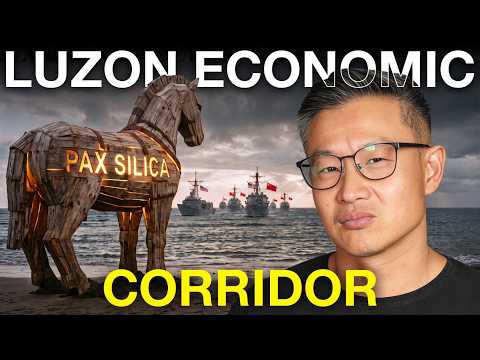
The Pax Silica Lie: Why 4,000 Acres Isn't What You Think
Overview of the Paksilica Initiative
Introduction to Paksilica
- The Paksilica initiative aims to establish an industrial hub centered around AI, with groundbreaking expected in 2028.
Current Status and Public Reaction
- As of now, no infrastructure is built or agreements signed, yet public protests have emerged regarding the initiative.
- In May, the U.S. sought diplomatic immunity for farmland in Tarlac for the hub; Manila rejected this request.
Concerns Surrounding Paksilica
Key Fears Expressed by Protesters
- Four main fears are prevalent: loss of farmland, military presence, job displacement due to AI, and resource depletion (water and power).
Addressing Each Fear
- The speaker intends to analyze these fears critically, suggesting that one fear may actually support building the hub.
Resource Concerns
Water and Power Needs
- Residents worry about potential displacement and resource strain from a tech hub requiring significant water (up to 90 million liters daily).
Clarifying Misconceptions
- Initial assumptions about Paksilica being solely data centers were corrected; it will focus on manufacturing instead.
Economic Implications
Local Processing vs. Exporting Raw Materials
- The need for local processing arises from logistical challenges in shipping raw materials like nickel ore overseas.
Supply Chain Diversification
- The U.S. aims to diversify supply chains away from China through partnerships with trusted allies like the Philippines.
Energy Infrastructure Challenges
Current Energy Projects
- A solar farm is under construction alongside a dedicated substation; however, these projects only partially meet energy demands.
Future Projections
- To sustain 3 gigawatts continuously via solar energy would require extensive land and investment not currently accounted for.
Land Use Conflicts
Farmland vs. Industrial Development
- There are concerns about converting fertile farmland into industrial zones amidst existing agricultural struggles in the Philippines.
Historical Context
- The area has been earmarked for development due to its proximity to infrastructure like airports and expressways.
Historical Military Context
Past Agreements Impacting Current Sentiment
- Historical events such as the removal of U.S. bases in 1991 shape current perceptions of foreign military presence linked to economic initiatives.
Military Logistics Perspective
- Experts argue that existing agreements already allow U.S. access without needing covert operations through business parks.
Job Market Dynamics
AI's Impact on Employment
- Concerns arise over AI potentially displacing jobs within sectors like call centers; however, this trend is inevitable regardless of Paksilica's development.
Need for Advanced Manufacturing
- Emphasizing advanced manufacturing could provide sustainable employment opportunities beyond traditional service industries.
Project Viability Risks
Factors That Could Derail Paksilica
- Power availability issues could deter investors if energy needs aren't met adequately.
- Water politics may complicate project execution amid environmental concerns.
- Political changes could shift priorities affecting project timelines significantly.
Economic Corridor Significance
Interdependence Between Projects
- Without proper infrastructure (like roads), even successful projects can fail economically; both Paksilica and Luzon Economic Corridor rely on each other’s success for viability.
Conclusion on Strategic Partnerships
- Engaging multiple international partners provides a buffer against geopolitical risks while enhancing economic resilience against trade wars.
Final Thoughts on Industry Development
- Rather than focusing solely on mining resources, leveraging existing strengths in electronics assembly may offer better long-term economic benefits for the Philippines.
Turn any video into a summary like this
YouTube links, meetings, lectures. With transcripts, search, and chat.