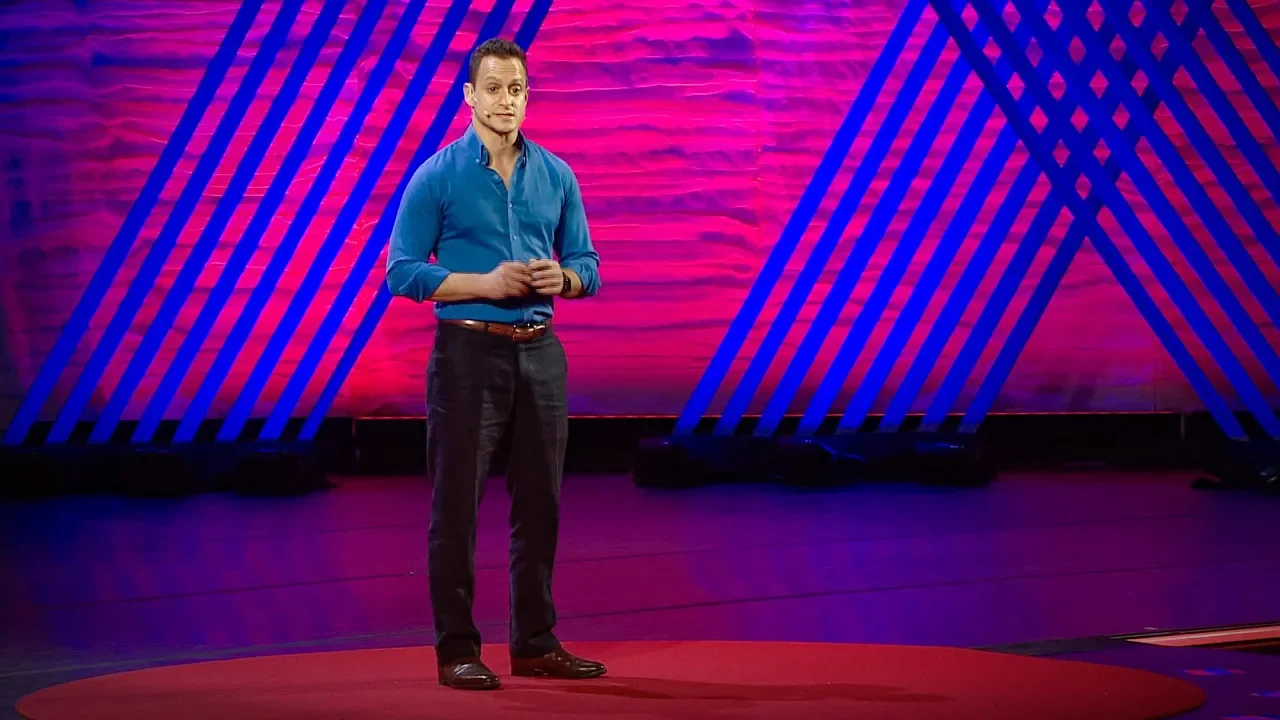
How to motivate people to do good for others | Erez Yoeli
How to Get People to Do Good
In this talk, the speaker discusses how small changes can make a big difference in getting people to do good. The speaker shares examples of how they have harnessed the power of reputations to increase observability and encourage people to take action.
Using Sign-Up Sheets Instead of Hotlines
- A tried-and-true technology for reducing energy demand during peaks has a key weakness: people need to sign up.
- The power company sent customers a nice letter about the program's benefits and asked them to call into a hotline if interested, but participation was low.
- The speaker suggested using sign-up sheets posted near mailboxes instead of hotlines, which tripled participation.
- Small changes that give people more credit for doing good can make a big difference.
Harnessing the Power of Reputations
- When trying to get people to do more good, the speaker collaborates with governments, nonprofits, and companies and harnesses the power of reputations.
- The first item on their checklist is increasing observability by making sure people find out about good deeds.
- Making decisions more observable turns on people's existing desire to do good.
- Adding "Someone may call you to find out about your experience at the polls" increased the effect of a nonprofit's letter by 50% and reduced the cost of getting an additional vote from $70 down to $40.
Examples of Observability
- Listing donors' names on local newsletters increased blood donations frequency.
- Listing delinquents' names on public websites increased tax payments on time.
- Making the Prius so unique that their good deed was observable from a mile away got hundreds of thousands of people to buy a more fuel-efficient car.
Conclusion
- Small changes that give people more credit for doing good can make a big difference in getting people to take action.
- Observability is great, but some people still walk by an opportunity to do good.
Eliminating Excuses
In this section, the speaker talks about how people tend to avoid giving donations when they see a volunteer standing in front of just one door. The speaker explains that people are creative in making excuses and that we need to be thorough when trying to eliminate them.
Standing in Front of Both Doors
- When the Salvation Army volunteer stood in front of just one door, people would avoid giving by going out the other door.
- Eliminating excuses means standing in front of both doors, and donations rose.
People Are Creative in Making Excuses
- There are lots of excuses for not donating.
- When trying to eliminate excuses, we need to be very thorough because people are really creative in making them.
TB Treatment: Getting Patients to Stick It Out
In this section, the speaker talks about how tuberculosis (TB) treatment is tough and requires patients to take a strong antibiotic every day for six months or more. The speaker explains that there's a terrible stigma associated with TB and that people don't complete treatment because they have to go back to the clinic every week and take time off work.
Tough TB Treatment
- TB treatment requires taking a strong antibiotic every day for six months or more.
- The antibiotic makes patients feel sick, nauseous, dizzy, and turns their pee funny colors.
Challenges Associated with Completing Treatment
- Patients have to go back to the clinic about every week in order to get more pills.
- Going someplace pretty far can mean taking tough and slow public transport; maybe the clinic is inefficient; now you're talking about taking a half day off of work every week from a job you desperately can't afford to lose.
- There's a terrible stigma associated with TB, and people don't want others to find out they have the disease. Some women even hide it from their husbands that they're coming to the clinic.
Getting Patients to Stick It Out
- Every day, we text patients to remind them to take their medication.
- Keheala is collaborating with healthcare providers in sub-Saharan Africa or other places where TB is common to support TB patients as they undergo treatment.
Motivating People to Do Good
In this talk, the speaker discusses how to motivate people to do good by increasing observability, eliminating excuses, and communicating expectations.
Three Key Strategies for Motivating People
- If someone doesn't log in after being prompted, they are texted again up to three times. After that, a team of supporters will call and text them.
- Behavioral techniques such as observability can be used to increase effectiveness.
- Communicating expectations is important. Opower sends inserts with electricity bills comparing energy consumption with similarly sized homes. This has been effective in getting people to consume less energy.
Communicating Expectations
- People are sensitive to cues that they're expected to do good in a particular situation.
- Communicating expectations can be done by telling people "Do the good deed right now" or by saying "Hey, everybody else is doing the good deed."
- Reframing mundane tasks as environmental contributions can also help communicate expectations.
Conclusion
- The tools discussed don't require additional funds or fancy technologies; they just require harnessing reputations.
- By increasing observability, eliminating excuses, and communicating expectations, it's possible to motivate people to do more good.
Turn any video into a summary like this
YouTube links, meetings, lectures. With transcripts, search, and chat.