Class 5 Human Growth and Development
Welcome to the Integral Human Development Course
Introduction to the Course
- This course, led by Professor Alberto Motos, focuses on biblical and theological foundations that support family life.
- Participants are invited to embark on a transformative journey of holistic growth—spirit, soul, and body.
- The course emphasizes dedication and an open heart as essential for personal transformation and community impact.
- A special blessing is promised for those who engage in learning from Proverbs 23:23 about truth and wisdom.
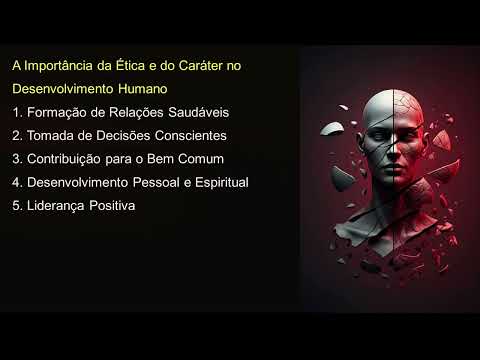
Ethics and Character in Human Development
Key Themes of the Lesson
- The fifth lesson centers on ethics and character formation based on Christian values such as justice, honesty, humility, responsibility, self-discipline, and integrity.
- Human development is described as a complex process influenced by education, culture, personal experiences, and social interactions. Ethics and character are highlighted as foundational pillars of this development.
Understanding Ethics
- Ethics is defined as a set of moral principles guiding human actions regarding what is right or wrong; it serves as a code of conduct in various spheres (personal, social, professional).
- Different ethical approaches include utilitarianism (maximizing collective well-being), deontological ethics (focusing on duties), and Christian ethics (rooted in biblical teachings).
The Nature of Character
- Character encompasses the moral, emotional, and intellectual qualities defining an individual; it develops over time through choices and influences rather than being innate. A strong character includes virtues like honesty and empathy.
- The relationship between ethics and character is explored; while ethics provides guiding principles for actions, character reflects their practical application in daily life. Ethical behavior without strong character can lead to hypocrisy; conversely, having character without ethical grounding risks distorted values.
Comparing Christian Ethics with Secular Ethics
Foundations of Christian Ethics
- Christian ethics derive from divine revelation (the Bible) offering absolute principles for human conduct based on God's nature—holy, just, loving—and emphasizing internal motivations alongside external actions. Examples include Jesus' Sermon on the Mount which elevates ethical standards beyond mere actions to inner transformation.
Characteristics of Secular Ethics
- In contrast to Christian ethics rooted in absolutes, secular ethics often rely on human reasoning or cultural consensus which can vary widely across contexts leading to flexible moral standards that may conflict with one another depending on circumstances or interpretations.
Ethical Dilemmas in Crisis Situations
The Conflict Scenario
- A conflict arises when a secret service plans to bomb a restaurant housing 70 terrorists, while a young girl selling bread is outside. The agents attempt to distract her by buying all her bread, but she returns.
- As the drone approaches to activate the bomb, the dilemma intensifies: should they proceed with the operation and risk killing the girl along with the terrorists or cancel it and allow the terrorists to escape?
Ethical Perspectives
- Secular ethics might argue that sacrificing one life (the girl) for 70 (the terrorists) could be justified as it saves many more lives.
- In contrast, Christian ethics emphasizes that every single life holds intrinsic value, suggesting that saving the girl's life is paramount regardless of the potential consequences.
Importance of Ethics and Character Development
- Healthy relationships are built on trust, respect, and empathy; ethical behavior fosters these connections.
- Strong ethical foundations aid in making conscious decisions during challenging situations, promoting responsible actions even under pressure.
- Individuals acting ethically contribute positively to society by fostering justice and solidarity among community members.
Challenges in Developing Ethics and Character
- Moral relativism complicates establishing universal ethical principles due to varying cultural contexts.
- Social pressures can lead individuals away from ethical behavior; societal values may prioritize success over integrity.
- Bullying in schools exemplifies how peer pressure can distort moral development among adolescents.
Cultivating Ethics and Character
- Education plays a crucial role in character formation; teaching children about respect, honesty, and responsibility from an early age is essential for developing strong ethical foundations.
- Real-life examples illustrate how people often misinterpret honesty; using someone else's property without permission is not true honesty but rather theft disguised as transparency.
- Environmental influences significantly impact individual ethics; toxic surroundings can erode moral principles leading individuals toward unethical behaviors.
Understanding Ethics and Character Development
The Importance of Moral Education
- The speaker emphasizes the need for moral education through examples, stories, discussions, and reflections on ethical dilemmas. They reflect on their experience as a teacher in moral and civic education.
- A healthy body is likened to having sound knowledge of ethics; neglecting this can lead to severe consequences, similar to physical injuries causing inflammation and complications.
Self-Reflection and Personal Growth
- The speaker invites personal reflection as essential for character development, urging individuals to assess their actions, motivations, and principles for improvement.
- Practicing virtues such as patience, humility, and empathy is crucial; these traits do not develop automatically but require conscious effort through simple actions like attentive listening or admitting mistakes.
Learning from Life's Lessons
- There are two paths to maturity: learning from books (the "life of letters") or learning from life's harsh realities (the "letters of life").
- Failing to learn from literature leads one to face the unforgiving lessons that life presents—akin to being hit by an unstoppable locomotive.
Consequences of Ignoring Guidance
- Young individuals who disregard parental advice may engage in harmful behaviors that ultimately lead them into serious trouble when they least expect it.
- The moment of realization often comes too late when support systems are no longer available due to estrangement caused by poor choices.
Surrounding Oneself with Positive Influences
- Engaging with ethical role models inspires positive behavior; seeking mentors or communities that uphold strong values is encouraged.
- Spiritual alignment can provide a solid foundation for ethical decision-making. Values such as love, forgiveness, and justice play a significant role in responsible actions.
Broader Impact of Ethics on Society
- Ethical behavior shapes society positively; communities characterized by integrity foster harmony while the absence leads to corruption and injustice.
- Individuals with strong character can drive social change by inspiring others towards ethical living.
Cultural Reflections on Ethics
- The speaker expresses concern over negative cultural exports from Brazil affecting other countries. This includes crime patterns that have been adopted elsewhere.
- Personal experiences highlight issues faced within immigrant communities where unethical practices are sometimes perpetuated among compatriots.
Caution in Social Interactions
- A warning is issued about trusting new acquaintances solely based on shared nationality or language; vigilance is necessary in today's virtual world where appearances can be deceiving.
Indispensable Values for Human Development
The Importance of Ethics and Character
- Ethics and character are essential for human formation and development, enabling individuals to live justly and responsibly while positively impacting the world.
- Cultivating these values leads to healthier relationships, a more just society, and a more meaningful life; true human formation is about who we become rather than what we achieve.
- Integrity is defined as doing the right thing even when no one is watching; it should be rooted in Christian values for a strong character foundation.
Defining Integrity in a Christian Context
- A person with integrity aligns their beliefs, words, and actions, serving as a visible testimony of their faith; this integrity is shaped by eternal values from God's word.
- In today's society marked by moral relativism, developing an integral character becomes increasingly necessary; individuals must embody their own beliefs rather than conforming to others'.
Biblical Foundations of Integrity
- An integral character encompasses moral righteousness, honesty, and consistency across all life areas; it reflects one's true nature rather than mere public reputation.
- Christian integrity stems from an internal commitment to God’s principles rather than external rule-following; Proverbs 10:9 emphasizes that integrity brings safety and peace.
Key Aspects of Developing Integrity
- God serves as the ultimate model of integrity—holy, just, and true—as followers are called to reflect His character (Leviticus 11:44).
- The Bible acts as a guide for forming an integral character (Psalm 119:105), teaching ethical living and respect towards others.
The Role of Jesus Christ in Exemplifying Integrity
- Jesus exemplifies perfect integrity through His alignment with God's purposes during His life’s trials; following Him means living integrally amidst challenges.
- The Holy Spirit empowers individuals to develop an integral character beyond mere willpower (Galatians 5:22–23), highlighting virtues essential for integrity.
Significance of Integrity in Christian Life
- An integral character serves as a powerful witness for the gospel amid hypocrisy; Matthew 5:16 encourages believers to let their light shine through good works.
- Maintaining genuine relationships with God requires integrity (Psalm 15); those who walk in truth are sought after by God.
Responsibilities Over Privileges
- Emphasizing that duties precede privileges highlights the importance of fulfilling responsibilities before enjoying benefits. Being human entails both obligations and rights.
Understanding Privilege and Integrity
The Nature of Driving Privileges
- In the U.S., driving is a privilege, not a right; failure to uphold responsibilities can lead to revocation.
- Individuals do not pay for the privilege of driving but rather for services related to it; this privilege should be reserved for responsible individuals.
Consequences of Irresponsibility
- Irresponsible actions, such as drinking and driving, result in tragic consequences, including the loss of innocent lives.
Importance of Integrity
- Living with integrity fosters inner peace by eliminating duplicity and guilt; those aligned with their values live authentically.
- Personal anecdotes highlight how integrity and honoring one's name can open doors and build trust within communities.
Cultivating Character Based on Christian Values
Steps to Develop Integrity
- Know God's Word: Study the Bible to shape thoughts and attitudes (Psalm 1:2).
- Cultivate Relationship with God: Strengthen integrity through prayer, worship, and reliance on the Holy Spirit.
- Practice Truthfulness: Honesty is fundamental; align words with actions consistently.
Additional Practices for Integrity
- Be Consistent: Ensure beliefs are reflected in daily choices both publicly and privately.
- Seek Feedback: Engage in transparent relationships that help identify areas for growth.
Challenges in Developing Integrity
External Pressures
- The contemporary culture often promotes moral relativism and success at any cost, challenging personal values.
Human Weaknesses
- Christians can rely on divine support through Jesus Christ when facing temptations or challenges to their integrity.
Solitary Path of Integrity
- Upholding ethical standards may lead to isolation; historical examples illustrate standing firm against popular opinion.
The Importance of Integrity and Ethical Values
The Role of the Crowd and Personal Responsibility
- The speaker reflects on how the voice of the crowd condemned Jesus, highlighting that it was not God's will but rather a choice made by people who preferred a thief over Him.
- Pilate's act of washing his hands symbolizes detachment from responsibility; this serves as a warning about ethical choices and personal accountability.
Integrity as an Indispensable Value
- Integrity is described as a non-negotiable calling for followers of Christ, essential for achieving inner peace even amidst external turmoil.
- A character built on Christian values is crucial for glorifying God and making a positive impact in society, requiring effort, discipline, and reliance on the Holy Spirit.
Cultivating Character Through Justice and Honesty
- The speaker emphasizes practicing justice, honesty, humility, and responsibility as foundational to human character development and societal harmony.
- These principles foster strong communities based on trust and mutual respect while countering egoism and moral relativism prevalent in society.
Understanding Justice
- Justice is defined as treating individuals equitably without discrimination or favoritism; it underpins all human relationships by ensuring rights are respected.
- Practicing justice promotes peace, equality, and social harmony while holding wrongdoers accountable for their actions.
Practicing Honesty in Daily Life
- Honesty involves truthfulness and transparency; it is vital for building trust across personal, professional, and social relationships.
- Without honesty, interactions become superficial marked by distrust; being honest protects against negative consequences like loss of credibility.
Challenges to Upholding Honesty
- Living honestly can be challenging due to social pressures or perceived immediate benefits from dishonesty.
- To practice honesty effectively: be transparent in words/actions, fulfill commitments, admit mistakes—these actions reflect maturity and integrity.
Honesty as a Core Value
The Importance of Self-Reflection and Honesty
- Practicing regular self-evaluation is crucial for personal growth. Being honest does not equate to being rude; it can be delivered with kindness and respect.
- Honesty manifests in various daily situations, such as admitting mistakes at work instead of hiding them, which fosters problem-solving.
Honesty in Different Aspects of Life
- In financial matters, accurately declaring taxes and avoiding dishonest practices are essential components of integrity.
- Honest communication about feelings and expectations strengthens mutual trust in relationships, while academic honesty promotes authentic learning experiences.
The Broader Impact of Honesty
- Embracing honesty leads to significant benefits like inner peace, respect from others, and the cultivation of trustworthy relationships.
- A strong character grounded in values such as justice, humility, responsibility, and self-discipline forms the foundation for a meaningful life. Reflecting on how these principles apply to daily actions is vital for personal integrity.