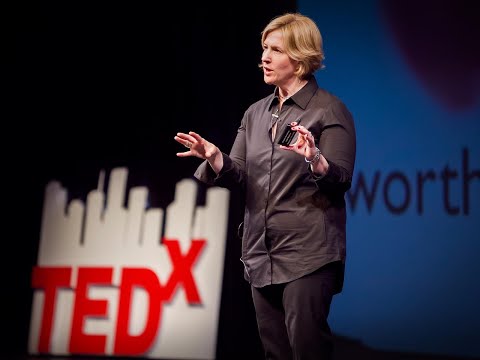
The Power of Vulnerability | Brené Brown | TED
Researcher vs. Storyteller
The speaker discusses the struggle between being labeled as a researcher or a storyteller by an event planner and reflects on embracing the identity of a researcher storyteller.
Embracing Identity
- Being labeled as a researcher was feared to be boring and irrelevant, leading to the suggestion of being called a storyteller instead.
- Initially hesitant about being labeled as a storyteller, the speaker eventually embraces it, realizing that stories are integral to their research work.
- Combining both identities as a researcher storyteller was met with skepticism but ultimately accepted by the speaker.
Expanding Perception Through Research
The speaker shares how a research experience transformed their perception and influenced various aspects of their life.
Transformative Research Experience
- Early academic training emphasized measurable outcomes, contrasting with the speaker's inclination towards organizing messy topics in social work.
- The importance of connection in social work led the speaker to delve into understanding its significance for human existence.
- Uncovering shame as a universal yet often unspoken aspect of human experience reshaped the speaker's research focus towards vulnerability and connection.
Understanding Shame and Vulnerability
Delving into shame as a fundamental human emotion impacting vulnerability and connection.
Impact of Shame
- Shame is rooted in fear of disconnection based on feelings of inadequacy across various aspects of life.
- Vulnerability is identified as essential for genuine connection, despite personal aversion towards it initially.
New Section
In this section, the speaker discusses the concept of worthiness and its impact on individuals' sense of love and belonging.
Worthiness and Love
- Individuals are divided into those with a strong sense of worthiness, love, and belonging.
- The key factor distinguishing those with a strong sense of love and belonging is their belief in their own worthiness.
- Believing in one's worthiness is crucial for fostering connections with others.
Exploring Wholeheartedness
This part delves into the characteristics of wholehearted people and the initial stages of research on this topic.
Characteristics of Wholehearted People
- Wholehearted individuals exhibit courage as a common trait.
- Courage is defined as telling one's story with their whole heart.
- They embrace imperfection, practice self-compassion, and prioritize authentic connections.
Embracing Vulnerability
The discussion shifts towards vulnerability as a source of beauty and essential for meaningful connections.
Embracing Vulnerability
- Wholehearted individuals view vulnerability as necessary for authenticity and connection.
- Being vulnerable involves actions like saying "I love you" first or investing in uncertain relationships.
Journey to Understanding Vulnerability
The speaker reflects on her personal journey grappling with vulnerability and its transformative power.
Personal Journey with Vulnerability
- Initially resistant to vulnerability, the speaker undergoes a challenging year-long process embracing it.
Vulnerability and Numbing Emotions
In this section, the speaker delves into the concept of vulnerability and how individuals tend to numb their emotions as a coping mechanism.
The Impact of Vulnerability
- Vulnerability is a universal experience, with various situations eliciting feelings of vulnerability such as asking for help when sick or initiating intimate moments.
- Living in a vulnerable world leads people to numb vulnerability through behaviors like overeating, addiction, and medication, contributing to societal issues like debt and obesity.
- Attempting to selectively numb negative emotions like shame or fear is ineffective since it also dulls positive emotions like joy and gratitude.
Numbing Emotions Consequences
- Numbing difficult emotions results in an overall sense of misery, leading individuals to seek purpose and meaning through unhealthy coping mechanisms like alcohol or food.
- By numbing vulnerability, people inadvertently diminish their capacity for joy, gratitude, and happiness, perpetuating a cycle of dissatisfaction and seeking external validation.
Uncertainty and Blame Culture
This segment explores society's tendency to seek certainty in uncertain situations and the prevalence of blame culture in contemporary discourse.
Seeking Certainty
- Society's shift towards demanding certainty rather than embracing faith or mystery has led to polarized beliefs where individuals assert absolute correctness without room for discussion or differing perspectives.
- Blame is used as a means to alleviate discomfort but ultimately fails to address underlying issues effectively. The avoidance of nuanced conversations exacerbates societal problems instead of resolving them.
Parenting and Self-Worth
The speaker discusses parenting approaches that emphasize self-worth acceptance and the importance of instilling resilience in children from an early age.
Parenting Philosophy
- Children are inherently wired for struggle upon birth. Parents should focus on acknowledging imperfections while fostering love and belonging rather than striving for unattainable perfection in their children.
- Encouraging children to embrace their imperfections while recognizing their inherent worth can lead to a generation better equipped to navigate challenges with resilience and empathy.
Embracing Vulnerability
The final part emphasizes the significance of embracing vulnerability, practicing gratitude, and cultivating self-worth for personal growth and meaningful connections.
Embracing Vulnerability
- Authenticity involves allowing oneself to be vulnerable, fostering genuine connections based on openness rather than fear or pretense.
Turn any video into a summary like this
YouTube links, meetings, lectures. With transcripts, search, and chat.