TEORÍA DEL PROCESAMIENTO DE LA INFORMACIÓN
Understanding Information Processing Theory
Overview of Information Processing Theory
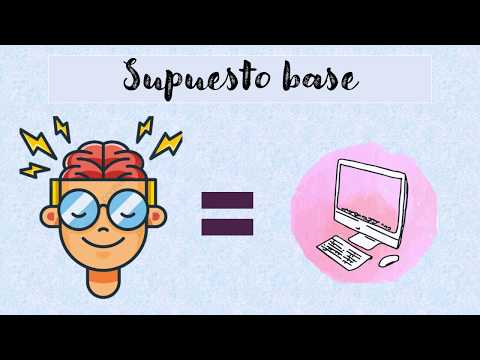
- The foundation of this theory compares the human brain and its functions to computer software, emphasizing cognitive processes over behaviorism.
- It highlights the significance of internal cognitive processes in learning, contrasting with behaviorist approaches.
Key Components of Information Processing
- Atkinson and Shiffrin propose three essential components for understanding this theory:
- Sensory Register: Involves perception and memory registration of stimuli through senses.
- Short-Term Memory (Working Memory): Responsible for retaining information briefly before it transitions to long-term storage.
- Long-Term Memory: Stores information for extended periods, allowing retrieval when necessary.
Learning Process Model
- The current model emphasizes several critical steps in the learning process:
- Attention: A basic psychological process that selects which stimuli require concentration.
- Encoding: Organizing selected information into existing mental frameworks or creating new ones.
- Storage: Involves maintaining organized and encoded information in long-term memory for future retrieval.
- Retrieval: Accessing stored information from long-term memory back to short-term memory when needed.
Application in Education
- The theory is applied through strategies that help students achieve expected learning outcomes by considering their prior knowledge.
- Understanding whether students can easily integrate new information into existing schemas or need to construct new ones is crucial for effective teaching methods.