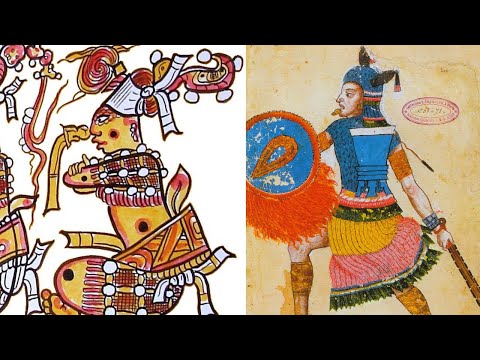
Literatura prehispánica en mexicas, mayas e incas. ¿Cuáles son sus características y sus temas?
Overview of Pre-Hispanic Literature
Definition and Characteristics
- Pre-Hispanic literature encompasses all literary expressions from the Americas before Spanish conquest, primarily rooted in oral tradition.
Prominent Cultures
- Three major cultures contributed to pre-Hispanic literature:
- Anáhuac (Mexica) in central Mexico,
- Maya in the Yucatán Peninsula and Guatemala,
- Inca in Peru and Ecuador.
Literary Forms and Preservation
- Much of this literature is recorded through pre-Columbian writing systems, focusing on themes like religion, astronomy, history, and dynastic myths.
- The Inca's oral tradition lacked a writing system; their literature was passed down orally but later documented post-European contact using Latin script.
Historical Context of Mesoamerican Civilizations
Mexica Civilization
- The Mexica migrated to central Mexico around 1200 AD from a place called Aztlán. They formed an alliance that led to the establishment of Tenochtitlán (modern-day Mexico City).
- By the 15th century, they had developed a writing system similar to that of the Maya, utilizing codices made from plant fibers for their literature.
Maya Civilization
- During the Classic Maya period (250–950 AD), significant cultural advancements occurred in cities like Chichén Itzá and Uxmal.
- The Maya had a long-standing tradition of inscribing texts on pottery, monuments, and temple walls while also beginning to write books with a complex system combining phonetic symbols.
Inca Civilization
- The Inca Empire flourished between 1400–1533 AD across western South America without a formal writing system but maintained an extensive oral literary tradition.
Features of Pre-Hispanic Literature
Oral Tradition Dominance
- Despite some written records in Mesoamerica, most pre-Hispanic literature was oral. This included memorization techniques for passing stories through generations.
Anonymity and Influence
- Textual anonymity is common; many works lack attributed authorship due to collective cultural transmission influenced by Catholicism post-conquest.
Genres and Themes in Pre-Hispanic Literature
Mexica Literary Focus
- The primary aim was preserving accumulated knowledge across various life aspects such as medicine, history, law, religion, and rituals.
Poetry as Central Genre
- Poetry held significant importance with esoteric backgrounds.
- Prose served educational purposes while theatrical performances were ritualistic dances accompanied by songs.
Maya Literary Legacy Post-Conquest
- After conquest, much Mayan literature was transcribed into Latin script aimed at preserving historical legacies.
- Limited poetry survived; theater remained integral within religious rituals involving dance and song.
Inca Poetic Traditions
- Incan poetry focused on narrative forms addressing religion and mythology requiring memorization for public recitation.
Dramatic Elements
Cultural and Literary Insights of Pre-Hispanic Civilizations
Shared Beliefs Among Mesoamerican Cultures
- The Mexica, Maya, and Inca civilizations equated their deities with the universe and nature, reflecting a deep connection to both terrestrial and celestial elements.
- Common themes in their literature include violent struggles among gods, respect for divinities through artistic expression, creation myths, heroism, friendship, love, life, and death.
Key Themes in Pre-Hispanic Literature
- Maya literature prominently features the theme of world creation; notable works like the Popol Vuh explore cosmic eras and cultural heroes such as Quetzalcoatl.
- Inca poetry often centers on agricultural activities—planting and harvesting—while popular poets address personal themes like lost love alongside military victories.
Notable Authors and Works
- Nezahualcoyotl is celebrated as the "poet king" of Texcoco; his 36 preserved poems highlight the beauty of Nahuatl language infused with philosophical depth.
- His poetry reflects on nature's cycles (springtime and rain), historical references, and autobiographical elements related to his warrior past.
Significant Maya Texts
- The Popol Vuh serves as a foundational text for understanding Mayan cosmology; it addresses the origins of the universe and humanity while preserving historical traditions.
- Rabinal Achí is recognized as a pivotal pre-Columbian theatrical work depicting sacrifice; other important texts include Books of Chilam Balam and Annals of the Cakchiquel.
Inca Literary Contributions
- The most renowned Inca drama is titled "Ollanta," transcribed into Quechua during colonial times. Its authenticity is debated due to Christian influences introduced by Spanish priests.