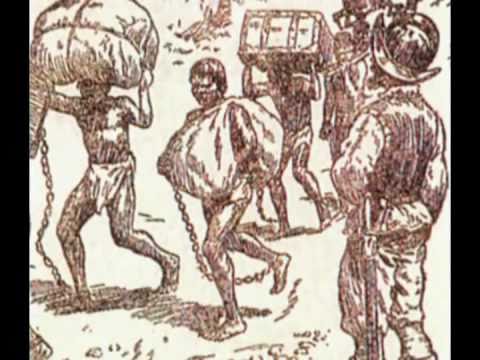
Boletín y Elegía de las Mitas MEJOR ILUSTRACIÓN
The Struggles of Indigenous Identity and History
Historical Context of Indigenous Suffering
- The lyrics express the pain and oppression faced by indigenous people, highlighting their struggles against colonial forces that have stripped them of dignity and identity.
- References to physical violence and exploitation illustrate the harsh realities endured by indigenous communities, emphasizing a legacy of suffering passed down through generations.
Personal Narratives of Pain
- A vivid depiction of brutality is presented, where individuals are forced to endure violence in front of their loved ones, showcasing the emotional toll on families.
- Women are portrayed as central figures in this narrative, engaging in traditional crafts while also bearing the burden of loss and hardship.
Cultural Resilience Amidst Oppression
- Despite immense suffering, there is a sense of resilience; the mention of cultural practices like weaving signifies an enduring connection to heritage.
- The struggle for survival is highlighted through references to labor exploitation within haciendas, illustrating how indigenous people were forced into servitude.
Reflection on Colonial Impact
- The text reflects on how colonialism has led to a disconnection from both land and culture, with indigenous identities being marginalized or erased.
- There’s a poignant acknowledgment of personal sacrifice intertwined with collective suffering, suggesting that individual stories contribute to a larger narrative about indigenous identity.
Call for Recognition and Reclamation
- A powerful assertion emerges regarding reclaiming land and identity; it emphasizes ownership over ancestral lands as an act of resistance against historical injustices.
- The closing lines serve as a rallying cry for unity among indigenous peoples, reinforcing their rightful claim to heritage amidst ongoing struggles.