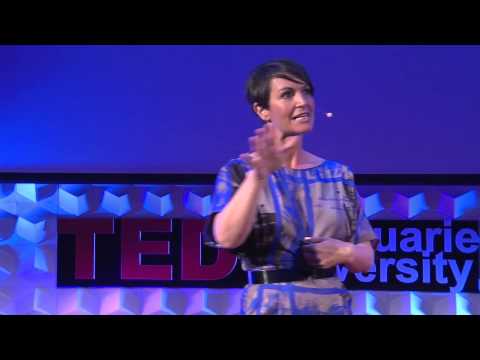
Eat for real change | Dr Joanna McMillan | TEDxMacquarieUniversity
New Section
The speaker discusses the importance of food beyond its nutritional value and highlights the impact of nutrition on chronic health diseases.
Food as More Than Nutrients
- The speaker presents a hypothetical scenario where nutrition science has advanced to the point where special pills can provide all necessary nutrients.
- However, the audience reacts negatively, emphasizing that food is more than just nutrients. Memories associated with specific foods are mentioned.
- Examples include a mother's lasagna, grandmother's gingerbread cake, pancakes made by a family friend, and hot chocolate with bread in France.
- Food is described as part of our culture, upbringing, celebrations, and even mourning rituals.
- The speaker expresses concern that nutrition may be undermining these aspects of food.
Impact of Nutrition on Health
- The prevalence of obesity is highlighted as a significant problem in Australia and other developed countries.
- Chronic health diseases such as diabetes and cardiovascular disease are on the rise due to poor dietary choices and lifestyle factors.
- Diet plays a crucial role in these chronic diseases, and making changes to eating habits could significantly reduce their occurrence.
- Despite this knowledge, following diets or making dietary changes can be challenging for individuals.
New Section
The speaker emphasizes the need for dietary changes to improve public health outcomes.
Importance of Dietary Changes
- Poor diet contributes to chronic health diseases such as diabetes, cardiovascular disease, and cancer.
- While some factors leading to these diseases cannot be prevented, diet plays an intricate role in their development.
- Making changes to eating habits could lead to a significant reduction in disease rates and improve quality of life.
Challenges in Implementing Dietary Changes
- Despite knowing the benefits of dietary changes, many individuals struggle to follow diets or make sustainable modifications to their eating habits.
New Section
The influence of upbringing on eating habits and the confusion surrounding healthy eating.
The Influence of Upbringing
- How you were brought up to eat has a significant impact on your current eating habits and those of future generations.
The Confusion Surrounding Healthy Eating
- A survey revealed that 87% of people feel completely confused about what constitutes healthy eating. This confusion is partly due to media sensationalism and misinformation.
- Media reports often distort research findings, leading to misconceptions about certain foods. For example, the media misrepresented a study on butter, claiming it was beneficial when the actual research showed that replacing saturated fat with refined carbohydrates can be equally harmful or even worse.
- The media's misrepresentation of research contributes to the overall confusion surrounding healthy eating.
New Section
A historical perspective on the rise of obesity and diet trends.
Rise of Obesity in Recent Decades
- Obesity has become a major problem in the last 50 years or so, indicating a significant shift in our dietary habits during this period.
- Society's emphasis on thinness as a beauty standard has led to an obsession with dieting among teenagers and adults alike.
Diet Trends Over Time
- In the past, various diets were popularized, such as the Cambridge diet and Scarsdale diet, which involved extreme restrictions and unsustainable practices. Eventually, the low-fat diet gained popularity as society believed that reducing fat intake was key to weight loss.
- Food companies responded to the demand for low-fat products by creating alternatives filled with refined starches, added sugars, additives, preservatives, and artificial flavors. This led to a misconception that low-fat meant calorie-free, resulting in overconsumption and weight gain.
- The blame for obesity shifted from fat to carbohydrates, leading to the current focus on low-carb diets. However, this has resulted in the market being flooded with products marketed as high-protein and low-carb, often misleading consumers with claims of burning fat.
Timestamps are provided for each section to help locate specific parts of the video for further study or reference.
New Section
In this section, the speaker discusses the confusion surrounding processed foods and different nutritional approaches.
The Confusion Around Processed Foods
- The speaker humorously mentions that people often avoid eating bananas because they are considered carbs.
- There is a misconception that certain foods will go straight to the belly, leading to confusion about what is "naturally good."
- Many so-called "healthy" foods are actually processed and contain ingredients like rice, butter, and sugar.
- The food industry responds to consumer demand by providing more processed food options.
Misconceptions About Protein Powder
- The speaker shares an anecdote about ordering a green smoothie without protein powder at a whole foods cafe. The server was surprised by this request.
- Protein powders are often seen as healthy, but they can also be considered processed food.
- Despite recognizing that processed carbs and fats are not good for us, there is a tendency to overlook the processing of protein.
New Section
In this section, the speaker discusses different nutritional approaches and diets around the world.
Different Nutritional Approaches
- Various nutritional approaches exist worldwide, including low-fat vegan diets promoted by Dr. Dean Ornish and the popular paleo diet.
- It's ironic that even cafes promoting healthy options like green smoothies now offer paleo versions of traditionally unhealthy treats.
- Other popular diets include low-carb approaches like the Atkins diet, South Beach Diet, and low GI diet.
Traditional Diets Around the World
- The Mediterranean diet, high in healthy fats from sources like olive oil, avocados, and nuts, has solid evidence supporting its health benefits.
- The Japanese diet, particularly the Okinawan diet, is associated with longevity and has been extensively studied.
- These traditional diets have commonalities: they are based on real whole foods.
New Section
In this section, the speaker emphasizes the importance of eating more plants and highlights the need for further research in nutrition science.
Foundations of Healthy Eating
- Eating more plant-based foods is crucial for a healthy diet.
Nutrition Science and Research
- Nutrition science is still a young field with much to learn.
- Despite some confusion, there are clear messages emerging from nutrition research.
New Section
In this section, the speaker discusses attitudes towards food and presents an interesting psychology study.
Attitudes Towards Food
- Traditional diets that promote good health often have different attitudes towards food compared to modern diets.
Psychology Study
- A psychology study asked participants to identify which item (bread, pasta, or butter) was the odd one out. Butter was considered the odd one out because bread and pasta are carbs.
New Section
The differences in food culture between the French and Americans, as well as the importance of prioritizing and enjoying food.
Food Culture Differences
- The French consider pasta to be the odd one out, while bread and butter are seen as a natural pairing.
- Americans view bread and pasta as going together because they are both carbohydrates.
Concerns about Food
- A study showed that Americans were more concerned about the foods they buy compared to the French.
- Americans were more likely to prioritize convenience over pleasure when it comes to food.
Importance of Food in French Culture
- In France, people take time to sit down for lunch with a knife and fork, converse, and enjoy their meal.
- In contrast, in Sydney, people often eat on the go or grab a quick sandwich.
- The French place more priority and respect on food compared to Australians.
Appreciating Food
- The speaker recalls saying grace before lunch at school, highlighting the respect for food.
- It is important to recognize that having a choice in our diets is a privilege.
- To make real change in our eating habits, we need to prioritize eating real food and find joy in it.
Individualized Diets
- While there are different diet options available, it is essential to have core whole food foundations with lots of plant-based options. Personalization can include adding meat or other animal products based on individual preferences.
Eating with Joy
- Eating with joy is crucial for long-term change in eating habits and thought processes.
- The speaker encourages the audience to embrace the idea of eating with joy and making lasting changes.
Turn any video into a summary like this
YouTube links, meetings, lectures. With transcripts, search, and chat.