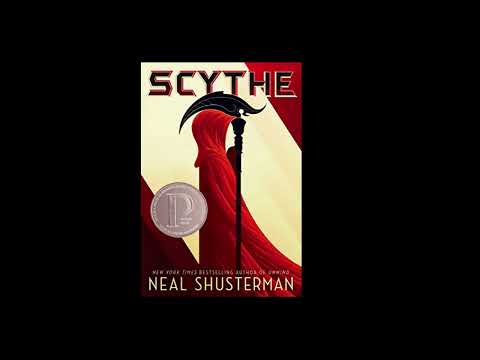
Scythe Chapter 1 - No Dimming of the Sun (REMAKE)
Arc of a Scythe: Book One - Scythe by Neil Shusterman
The Concept of Gleaning
- The narrative begins with the philosophical notion that all humans possess innocence and guilt, suggesting a complex moral landscape where everyone is guilty of something.
- Gleaning is introduced as a socially acceptable term for killing, framed as a necessary service to society rather than an act of violence.
- The role of scythes is depicted as sacred, emphasizing their importance in maintaining societal balance and documenting their actions through public journals.
Emotional Weight of Gleaning
- Scythes are required to record not only their deeds but also their emotions—remorse and sorrow—highlighting the humanity within them despite their grim duties.
Introduction to Citra's World
- Citra is introduced while struggling with an algebra problem, symbolizing her ordinary life before the arrival of the scythe disrupts it.
- The arrival of the scythe at Citra's home is marked by an unsettling atmosphere; her mother’s reaction indicates the gravity associated with such visits.
First Encounter with the Scythe
- The scythe’s entrance evokes fear in Citra; his presence transforms her home into a space filled with dread and uncertainty about who he has come for.
- Descriptions of the scythe's attire emphasize his status; his robe symbolizes both authority and detachment from normal human experiences.
Tension in Domesticity
- Despite being revered figures, scythes are portrayed as relatable yet intimidating; they blend into everyday life while carrying out their solemn responsibilities.
- Citra’s internal struggle reflects her desire to maintain composure in front of this powerful figure, showcasing themes of fear and respect intertwined within familial dynamics.
Dinner Invitation or Grim Intent?
- As dinner preparations unfold, there’s tension surrounding whether the meal signifies mercy or merely serves as a prelude to gleaning.
- Rumors about scythes demanding meals from victims add layers to the narrative, leaving readers questioning the true nature behind this visit.
The Dinner with Scythe Faraday
The Power of Fear and Motivation
- The narrative begins by highlighting that fear is a powerful motivator, leading people to go to great lengths to please others, particularly in dire situations.
Citra's Family Dynamics
- Citra's mother prepares an elaborate dinner, indicating the importance of this meal as their lives may depend on it. Cooking is not her forte, which adds tension to the situation.
- Citra expresses concern about whether her father will return home in time for dinner, fearing a gleaning might occur in his absence. She chooses to stay with Scythe Faraday rather than leave him alone.
Introduction of Scythe Faraday
- Ben recognizes Scythe Faraday from a school report he did on the scientist Michael Faraday, who was underappreciated during his lifetime but crucial for scientific progress.
- Citra questions Scythe Faraday about his age and appearance; he reveals he has chosen to appear older than his actual age (around 180 years), suggesting wisdom comes with age.
Tension During Dinner
- As dinner begins, Citra’s father tries to maintain a jovial atmosphere despite the underlying tension caused by having a scythe at their table.
- The conversation remains awkward; Scythe Faraday makes polite comments that feel unsettling due to their context.
Philosophical Discussions on Existence
- When asked about his public persona, Scythe Faraday explains that some scythes prefer anonymity for effective gleaning. This notion disturbs Citra as she grapples with the morality of gleaning.
- He demands they share information about themselves, creating an uncomfortable dynamic where personal stories are overshadowed by the looming threat of death.
Existential Reflections and Outbursts
- A discussion arises regarding food synthesis engineering versus traditional cooking methods; this leads to an existential reflection on human significance in society.
- Citra becomes infuriated by Scythe Faraday's nihilistic views on humanity's worth and existence. Her temper flares as she confronts him directly about his intentions.
Confrontation and Pleas for Mercy
- In a moment of desperation, Citra challenges Scythe Faraday directly about why he is prolonging their suffering if he intends to glean one of them.
- Her parents react protectively towards her outburst; her father pleads for forgiveness on her behalf while showing vulnerability before the scythe.
Scythe's Unconventional Approach to Gleaning
The Scythe's Challenge and the Knife
- The Scythe expresses that being challenged is refreshing, contrasting it with the tediousness of flattery he usually encounters.
- He approaches Citra’s mother with a knife, initially alarming them, but instead offers her immunity from gleaning for one year as a gesture of gratitude for their kindness.
Granting Immunity
- Citra’s mother hesitates but ultimately kisses the Scythe's ring, granting her immunity; this act is significant as it connects her to the world of scythes.
- The Scythe reveals his true purpose: to glean their neighbor Bridget Chadwell, indicating a grim reality behind his seemingly benevolent offer.
The Aftermath of Gleaning
- After touching Ben in a calming manner, the Scythe leaves with the knife still in hand, leaving an ominous atmosphere regarding their neighbor's fate.
- Citra reflects on how she could be a good scythe due to her ability to see through facades; however, she firmly states she would never want that role.
Silence and Morbid Curiosity
- Following the gleaning, there is an eerie silence; Citra’s father turns up the TV to drown out any sounds from next door.
- Despite efforts to ignore it, both Citra and Ben feel a morbid curiosity about what transpired during the gleaning.
Reflection on Death and Responsibility
- Upon returning without bloodstains or evidence of violence, the Scythe hands Citra the knife as a reminder that everyone shares responsibility for death in their society.
- He emphasizes that while they wield scythes as instruments of death, it is humanity itself that has monopolized death by taking control away from nature.
Nature vs. Human Control Over Death
- The narrative contrasts past natural deaths with current societal control over life and death; despite advancements eliminating many dangers, people must still die.
- It highlights humanity's struggle with mortality in a world where aging and diseases have been conquered yet acknowledges that death remains an inevitable part of existence.