Torque, potencia e outros conceitos
New Section
In this section, the speaker introduces fundamental concepts related to physics, focusing on mass, gravity, acceleration, force, and torque.
Mass and Gravity
- Mass refers to the amount of matter in a body.
- The importance of mass lies in calculating weight using the formula weight = mass x gravity.
- Weight varies with gravity; different planets have different gravities leading to varying weights.
Force and Acceleration
- Acceleration is the rate of change of velocity.
- Force is defined as mass x acceleration, indicating its role in changing or modifying an object's motion.
Work and Torque
- Work is equal to force multiplied by displacement.
- Work requires displacement; without it, no work is done.
- Torque aims at producing rotational motion.
- Torque differs from work as it focuses on rotational movement rather than linear displacement.
New Section
This section delves into torque further, explaining its relationship with force application and rotational movement.
Torque Application
- Torque production depends on the radius involved in applying force for rotational motion.
- A longer lever arm (radius) requires less force to produce greater torque for tasks like tightening screws.
Friction and Power
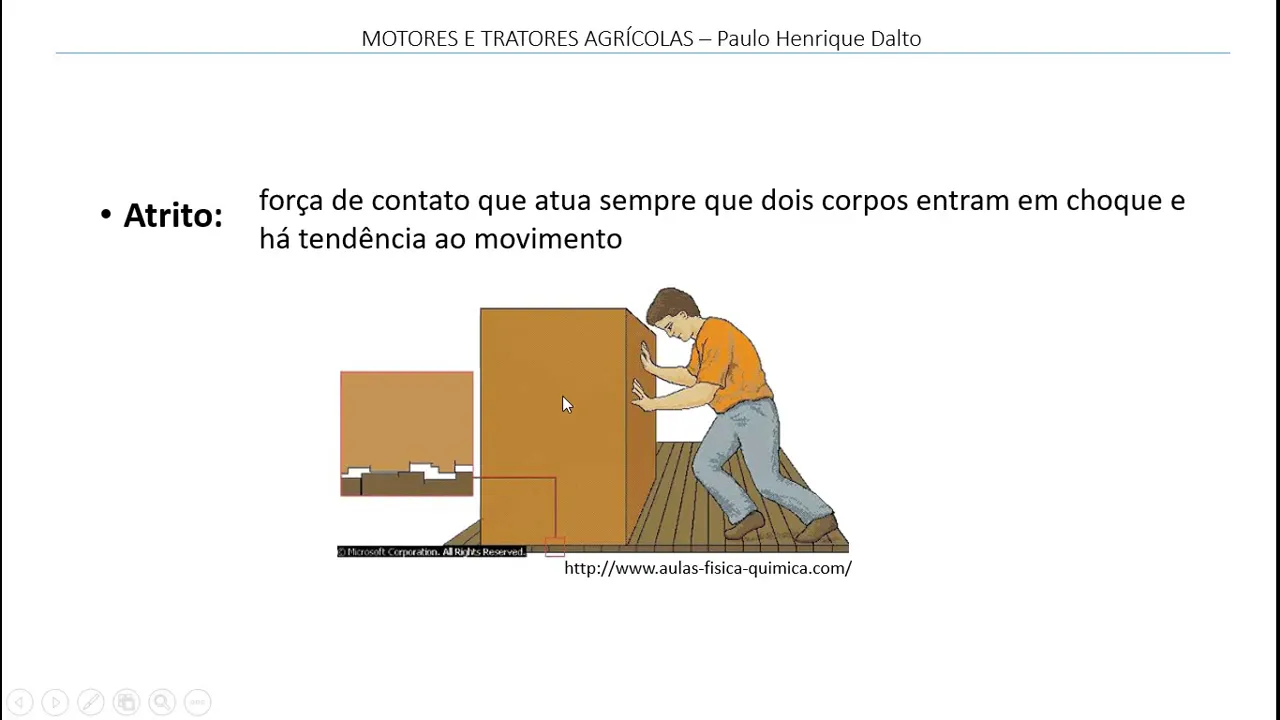
- Friction plays a crucial role in tasks involving tires or calibrations due to contact forces between objects.
- Friction represents the contact force between two surfaces affecting their interaction dynamics.
New Section
This part explores power concepts such as horsepower (hp), watts, and their significance in measuring energy transfer rates.
Power Measurement
- Power quantifies work done per unit time; it can be measured in horsepower (hp).
- Horsepower measures how much weight a horse can pull over a specific distance within a minute.
Understanding Wattage
- Watts represent power units used internationally compared to horsepower's imperial measure.