Recombinant DNA Technology Explained For Beginners
Recombinant DNA Technology
This section provides an introduction to recombinant DNA technology and its techniques.
Introduction to Recombinant DNA Technology
- Recombinant DNA technology involves manipulating and isolating specific segments of DNA for cloning purposes.
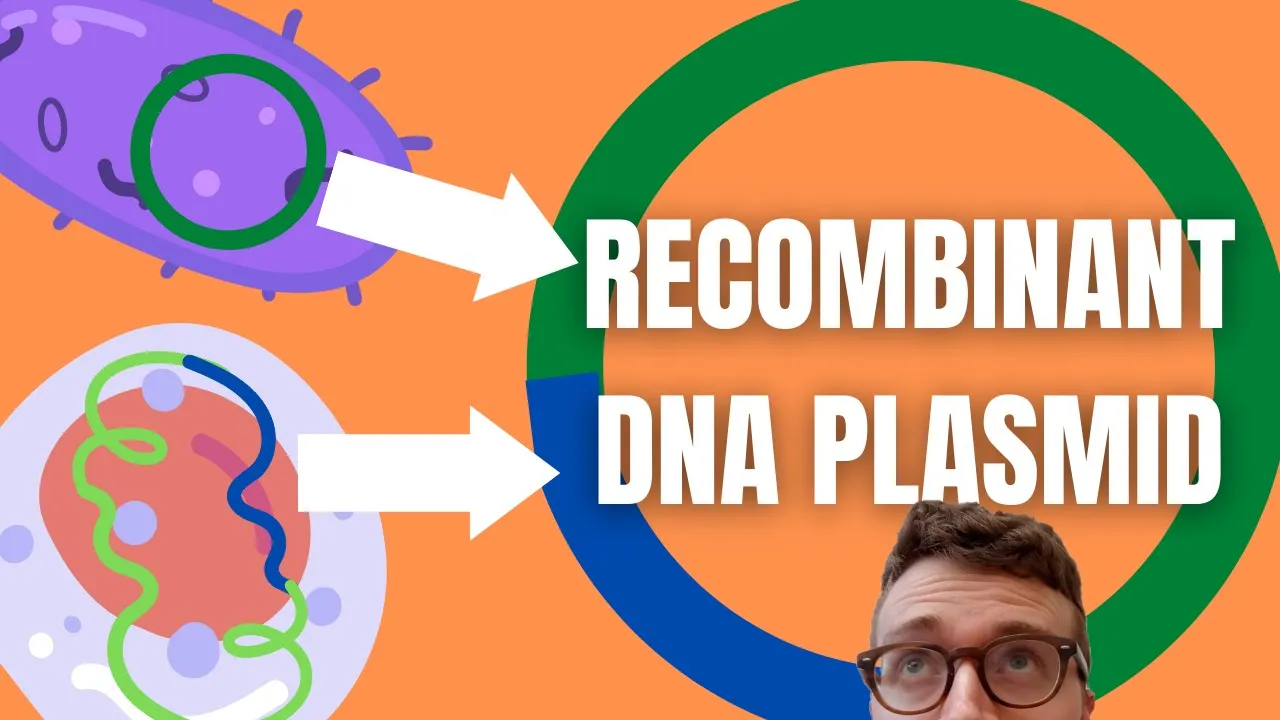
- A vector, often a plasmid in bacteria, is used to create a recombinant vector.
- The gene of interest is combined with the plasmid from the bacteria.
- The plasmid is a circular piece of DNA in the bacteria, consisting of complementary DNA strands.
- Restriction enzymes are used to cut the circular DNA at specific points, creating sticky ends that are complementary to the gene of interest.
- The gene of interest binds to the sticky ends of the plasmid.
- Ligase enzyme can then be used to join the gene of interest with the plasmid.
Recombinant DNA Technology - Continued
This section continues discussing recombinant DNA technology and its techniques.
Cloning Process
- Once the gene of interest has bound to the sticky ends of the plasmid, ligase enzyme helps join them together.
- The resulting recombinant vector can be inserted into a cell for cloning purposes.
Conclusion
Recombinant DNA technology allows scientists to manipulate and isolate specific segments of DNA for various applications. By combining genes of interest with vectors such as plasmids, researchers can create recombinant vectors that can be cloned in cells.