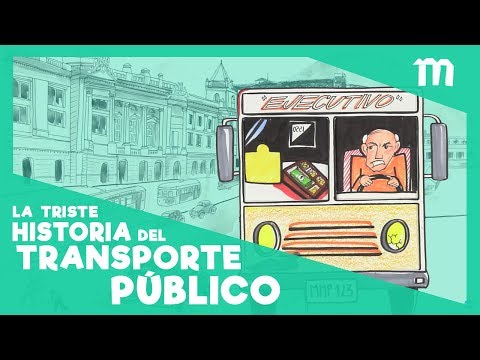
La triste historia del transporte público en Bogotá
La triste historia del transporte público en Bogotá
The video introduces the connection between historical events like the Bogotazo and current issues in Bogotá's public transportation system, emphasizing the need for intelligent solutions.
The Impact of Bogotazo on Public Transportation
- The destruction of a significant portion of Bogotá's tramway during the Bogotazo led to a crucial decision between restoring the tramway or transitioning to a bus system.
- Instead of maintaining a mixed solution with trams and buses, Bogotá opted for an entirely bus-based transport system, initially publicly operated but later privatized.
Privatization and Consequences
- The shift from public to private transport services raised concerns about monopolies and quality of life impacts due to minimal state regulations imposed on private companies.
- Introduction of companies managing routes and selling rights to operate buses highlighted exploitation of public resources without adequate returns, leading to perverse consequences.
Conflicts and Interests in Public Transport
- Various stakeholders including citizens, bus owners, state, and route-managing companies had conflicting interests in the transportation system, creating challenges in service quality and competition.
The Flaws of the Old Public Transportation System
The discussion delves into the flaws of the old public transportation system in Bogotá, highlighting issues such as inefficiency, inequity, and lack of consideration for passengers' needs.
Inefficiencies in the Old System
- Owners of buses influenced state decisions through strikes, demanding fare increases instead of reducing bus numbers.
- Passengers bore the brunt of system inefficiencies by paying up to 20% of their income on transport due to fare hikes.
Inequities and Marginalization
- Inequity was evident with over-supply in some areas and under-supply in others due to cost considerations for bus owners.
- Lack of interest from bus operators in certain zones led to marginalization of residents needing transport services.
Challenges Faced and Lessons Learned
The narrative explores how a flawed model led to pollution, traffic congestion, high prices, and other challenges. It emphasizes citizens' limited understanding and acceptance of poor service quality as normal.
Vicious Cycle Creation
- Over-supply caused by affiliate companies led to fare hikes demanded by drivers, perpetuating a cycle detrimental to users.
Citizen Perception and Acceptance
- Citizens normalized poor service quality without understanding underlying systemic issues or considering alternatives from other countries.
Transitioning Towards a Better Transport Model
Proposals for an improved transport model are discussed, emphasizing key elements like non-cash payments, regulated operations through concessions, driver contracts for safety incentives, and quality assurance measures.
Elements of an Ideal Transport Model
- Non-cash payments to deter piracy.
- Concession-based operations to prevent bus competition.
- Driver contracts ensuring safe driving practices.
Future Prospects: Embracing Change for Better Transport
The focus shifts towards future opportunities with upcoming TransMilenio bidding phases. It stresses the importance of learning from past mistakes and enhancing the current system for user well-being while maintaining cost efficiency.
Seizing Future Opportunities
- Urges continuity in expanding infrastructure, adopting clean energy solutions, integrating systems fully by phasing out old buses for user-centric transport models.