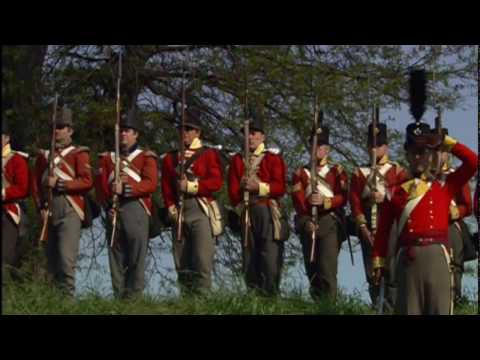
FIRST INVASION:THE WAR OF 1812 (PART 1)
The War of 1812: A Nation's Struggle for Identity
Introduction to the Conflict
- The War of 1812 is framed as a critical moment in American history, with the nation facing annihilation from an invading army.
- It was characterized by confusion and mismanagement, taking nearly three years to fight despite being named after one year.
- The war played a pivotal role in shaping America's identity and direction, inspiring the national anthem and leading to new leadership.
Causes of the War
- The conflict marked a significant assertion of independence for the United States, occurring thirty years post-American Revolution.
- Tensions arose from British violations of American shipping rights and impressment of sailors into the Royal Navy.
- Impressment led to resentment among Americans, reflecting deeper tensions that persisted since the Revolutionary War.
Political Landscape
- President James Madison emerged as a key figure advocating for war due to ongoing grievances against Britain.
- Madison's call for war highlighted divisions within America, particularly opposition from New England merchants concerned about economic impacts.
Declaration of War
- On June 1st, 1812, Madison became the first president to request Congress declare war against Great Britain.
- His message outlined grievances including trade interference and incitement of Indian attacks on American settlers.
Initial Military Challenges
- Despite support from some factions, many viewed the war as economically detrimental; opposition grew in New England.
- Congress ultimately approved Madison's request on June 18th, but protests erupted across various cities indicating widespread dissent.
Unpreparedness for Conflict
Military Readiness
- The U.S. military was ill-prepared for war; it consisted mainly of small companies lacking substantial combat experience.
- Leadership issues plagued American forces as many experienced officers had retired or died since the Revolutionary War.
Naval Disadvantages
- The United States lacked a formidable navy compared to Britain's powerful fleet; privateers were encouraged to raid British shipping instead.
Early Military Engagement
Invasion Plans
- Early ambitions included invading Canada; however, logistical challenges revealed America's lack of readiness for such an operation.
Initial Defeats
- Major defeats occurred early in the conflict with Detroit falling without resistance—a significant blow to morale.
First Victories Amidst Setbacks
USS Constitution Triumph
- A notable victory came when USS Constitution defeated HMS Guerrière off New England’s coast—boosting American morale amidst setbacks.
Escalation and Retaliation
Attack on York
- In April 1813, Americans attacked York (Toronto), burning its Parliament building—a move that would provoke British retaliation.
British Response
Focus on Napoleon
- Throughout much of this period, Britain was preoccupied with defeating Napoleon before fully committing resources against America.
Turning Point: Invasion Begins
British Offensive
- After defeating Napoleon in early 1814, Britain redirected focus towards launching an invasion into America via Chesapeake Bay.
Personal Vendetta Against America
Vice Admiral Cochran's Orders
- Vice Admiral Sir Alexander Cochran harbored personal animosity towards Americans stemming from family losses during previous conflicts.
Destruction Begins
Raids on American Soil
- Under orders from Cochran, British forces began systematic raids along Chesapeake Bay targeting towns and villages with little resistance encountered.
Chaos in Washington D.C.
Capital Unprepared
- As news spread about impending attacks on Washington D.C., panic ensued due largely to poor defense preparations led by Secretary of War John Armstrong.
Evacuation Efforts
Protecting National Treasures
- Dolly Madison took charge during evacuation efforts at the White House prioritizing saving important documents like George Washington’s portrait amid chaos.
Fall of Washington D.C.
Destruction Day
- By August 24th, 1814—the capital fell under attack resulting in widespread destruction including government buildings set ablaze by invading troops.
The Storm That Changed Washington
The British Attack and the Hurricane
- On August 25th, the British set fire to key locations in Washington as a hurricane looms overhead.
- A powerful hurricane strikes unexpectedly, unleashing torrential rain and gale-force winds against the British forces.
- Soldiers are thrown into chaos; some seek shelter while others fall to avoid being swept away by the wind.
- The storm escalates into a catastrophic event, with a tornado appearing and causing more casualties among British troops than previous battles.
- For two hours, the storm extinguishes flames across Washington, leaving devastation in its wake.
Aftermath of the Storm
- Following the storm, British forces retreat to Maryland; President Madison reunites with his wife amidst widespread destruction.
- Madison rides through the ruined city to boost morale among citizens and troops despite his anger towards the British.
- The war becomes pivotal for Madison's presidency as he connects emotionally with citizens affected by the destruction.
- Despite suggestions to relocate the capital, Madison insists on staying in Washington while Congress meets in temporary locations.
- Tensions rise within his cabinet as Secretary of War John Armstrong resigns due to blame for Washington's vulnerability.
Preparing for Baltimore's Defense
- By September 10th, fear spreads from Washington’s destruction to Baltimore; preparations begin for an impending attack.
- Baltimore is targeted due to its privateers disrupting British shipping; local leaders rally support for defense efforts.
- Samuel Smith is appointed to lead defenses; he aims to inspire confidence among citizens after recent failures in Washington.
- Smith faces opposition from William Winder but asserts authority over military strategy amid rising tensions between officers.
Mobilizing Resources and Troops
- With Winder sidelined, Smith mobilizes resources quickly as citizens unite under a common cause against potential invasion.
- Citizens work together constructing entrenchments and fortifications out of urgency driven by fear of losing their city.
- Major George Armistad takes command at Fort McHenry, crucially guarding Baltimore’s harbor against naval attacks.
Flag Preparations at Fort McHenry
- Armistad orders construction of defensive structures while appealing for community sacrifice in protecting their city.
- Merchants agree to sink ships as barriers against advancing British vessels; this creates a protective reef around Baltimore.
- Armistad requests large flags for visibility during battle; significant funds are allocated for their creation from local seamstresses.
Anticipation Before Battle
- The massive flag is completed just before battle preparations culminate at Fort McHenry; it symbolizes resilience.
- As night falls on September 10th, tension builds throughout Baltimore as residents brace themselves for conflict ahead.
The Approach of British Forces
- An alarm signals incoming danger when lookouts spot the approaching British fleet off North Point early next morning.
- A combined land-sea assault begins with thousands of troops marching toward Baltimore under challenging conditions.
Clash at North Point
- Major General Robert Ross leads his troops confidently despite prior victories but will soon face unexpected resistance from American forces.
- General John Stricker prepares his militia differently this time—determined not to repeat past mistakes made outside Washington.
Turn any video into a summary like this
YouTube links, meetings, lectures. With transcripts, search, and chat.