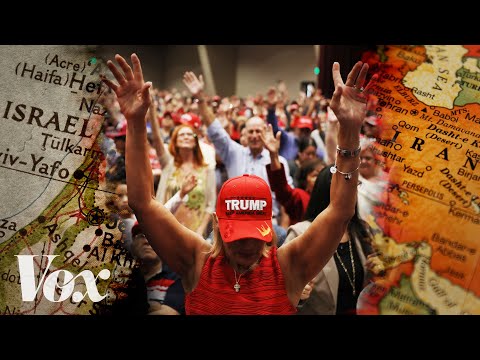
How a Bible prophecy shapes Trump's foreign policy
The Church of the Nativity: A Controversial Location
Historical Context
- The Church of the Nativity in Bethlehem is believed to be built on the site where Jesus was born, recognized by UNESCO as located in Palestine.
- A Jeopardy question in January 2020 sparked debate over whether the church is in Palestine or Israel, highlighting ongoing territorial disputes.
Political Implications
- The naming of this land reflects a deep-rooted conflict between Israelis and Palestinians, with American evangelical Christians emerging as a significant political force.
- Evangelicals have gained unprecedented influence during the Trump administration, intertwining support for Israel with conservative ideology.
Evangelical Beliefs and Biblical Prophecy
Interpretation of Scripture
- Conservative evangelicals view the Bible as a literal prophetic roadmap, believing that its predictions will manifest in modern events.
- The second coming of Jesus is central to their beliefs, with Jerusalem identified as the pivotal location for these prophecies.
Christian Zionism
- Prominent evangelical leaders advocate for Christian Zionism, asserting that Jewish return to Israel signals impending biblical fulfillment.
- This belief system interprets historical events through a biblical lens, framing conflicts like those involving Hamas and Iran within prophetic narratives.
U.S. Foreign Policy Influenced by Evangelical Theology
Key Figures and Actions
- Influential evangelicals like Secretary of State Mike Pompeo and Vice President Mike Pence shape U.S. foreign policy towards Israel and Iran based on their religious convictions.
- Pence redirected humanitarian aid towards Christian groups in Iraq while supporting military actions against Iranian figures at Trump's behest.
Prophetic Significance
- Trump's recognition of Jerusalem as Israel's capital resonated more with evangelicals than American Jews, reflecting their unique theological perspectives on prophecy.
- Proposed peace plans favoring Israeli sovereignty over Palestinian territories are seen by evangelicals as fulfilling biblical prophecies about land ownership.
Conclusion: The Intersection of Faith and Politics
Motivations Behind Support
- For many evangelicals, their interpretation of scripture directly influences their political actions and support for policies affirming biblical prophecies regarding Israel.
Turn any video into a summary like this
YouTube links, meetings, lectures. With transcripts, search, and chat.