CO Módulo 1: Introducción al Comportamiento Organizacional y Competencias - Parte 3
What Are Organizations?
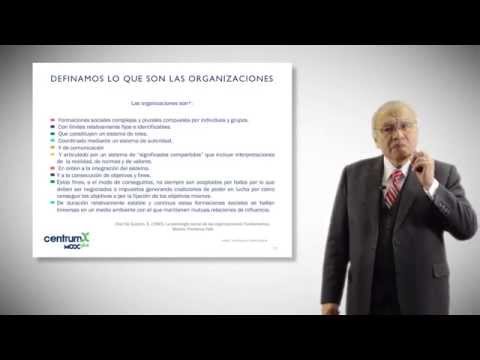
Definition and Complexity of Organizations
- Organizations are described as complex social formations composed of individuals and groups, highlighting their pluralistic nature. This complexity arises from diverse personalities, expectations, and ideals within the organization.
- The boundaries of organizations are relatively fixed yet identifiable; distinguishing between legal membership and emotional involvement is crucial. Emotional ties can extend beyond formal employment, impacting motivation and shared goals.
Roles and Authority in Organizations
- A division of labor enhances productivity by assigning specific roles to individuals based on processes or functions, necessitating coordination among these roles to achieve organizational objectives.
- The system of authority defines reporting relationships within the organization, creating a hierarchy that facilitates communication and task coordination. Effective communication systems—both formal and informal—are essential for organizational coherence.
Culture as Shared Meaning
- Organizational culture is defined as a system of shared meanings that unites individuals and groups within the organization, akin to a collective personality that shapes interactions and behaviors. This culture emerges from common interpretations of key concepts like "client" or "product."
- When members share similar views on what constitutes correct behavior or values within the organization, it fosters alignment akin to a laser beam's focused energy, enhancing overall effectiveness. Strong cultures lead to cohesive understanding among employees regarding their roles in relation to clients, products, suppliers, etc.
Negotiation of Goals Within Organizations
- Objectives within organizations may not always be universally accepted; differing perspectives can lead to negotiations over targets between departments (e.g., finance vs commercial). These negotiations reflect underlying power dynamics where coalitions may form around conflicting interests regarding how goals should be achieved.
Understanding Organizational Conflicts and Structures
The Nature of Conflicts in Organizations
- Conflicts within organizations can be resolved positively, but not always; leaders must align differing objectives towards a common goal.
- Acknowledgment of conflicting goals is essential for effective leadership and organizational harmony.
Definition and Purpose of Organizations
- Organizations are designed to maintain stability over time while engaging with their environment through mutual influence.
- Quijano's definition of organization will serve as a foundational concept throughout the course, highlighting various themes.
Key Topics to Explore
- Upcoming discussions will include organizational structures, roles, learning personalities, communication dynamics, workplace climate, and culture.