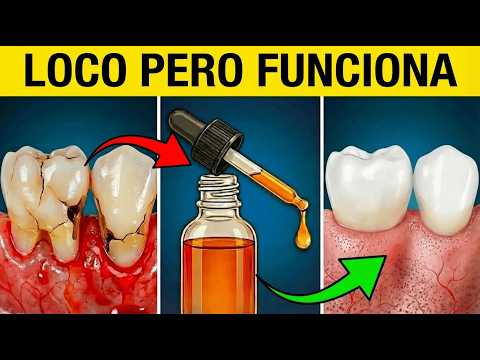
Olvídate del Enjuague Bucal — Este Aceite Elimina las Bacterias Dañinas de las Encías
Understanding Gum Health and Natural Remedies
Introduction to a Patient's Struggle
- A 63-year-old patient expresses embarrassment about her smile due to bleeding gums and loose teeth, despite following dental hygiene recommendations.
- She has been experiencing these issues for two years, leading to discussions of potential surgery by her dentist.
Misconceptions About Oral Hygiene
- The patient's problem is not poor hygiene but rather the use of ineffective solutions over the years.
- The speaker aims to explain why traditional remedies have failed and how they may worsen gum health.
The Battle Within the Mouth
- Inside the mouth exists a conflict between beneficial and harmful bacteria, with over 700 species present naturally.
- Most bacteria are allies that protect gum tissue; however, after age 50, blood circulation in gums decreases by approximately 35%.
Importance of Oral Biofilm
- The oral biofilm acts as a protective shield for gums, maintaining balance among bacterial populations. When compromised, it leads to gum deterioration.
- Common mouthwashes destroy this biofilm indiscriminately, eliminating both good and bad bacteria temporarily but allowing harmful anaerobic bacteria to thrive afterward.
Consequences of Bacterial Imbalance
- Anaerobic bacteria can invade deep gum pockets when oxygen is limited, releasing enzymes that break down collagen and toxins that enter the bloodstream.
- Research links untreated periodontal disease with increased risks of cardiovascular diseases, type 2 diabetes, and cognitive decline.
Ineffective Recommendations from Professionals
- Dentists often suggest better brushing techniques or different mouthwashes without addressing the root cause: an imbalanced oral microbiome.
Historical Use of Natural Oils
- For millennia, natural oils were used for oral health because they effectively addressed underlying issues unlike modern products which fail to penetrate deep enough into infected areas.
Overview of Effective Natural Oils
Neem Oil
- Neem oil is recognized for its antibacterial properties but is often misused; studies show minimal effectiveness against plaque when used improperly (8% reduction).
Usage Recommendations
- To use neem oil effectively: dilute three drops in a tablespoon of sesame oil and swish gently for two minutes before spitting out; it should complement other treatments rather than serve as a primary solution.
This structured summary provides insights into the complexities surrounding gum health while emphasizing natural remedies' historical significance and efficacy compared to conventional methods.
Natural Remedies for Dental Pain and Gum Health
Clove Oil as a Natural Anesthetic
- Clove oil is recognized as a potent natural anesthetic, effective in alleviating acute dental pain quickly.
- While it reduces surface inflammation and bacterial presence by about 12% over three weeks, it does not address the underlying cause of dental issues.
- Direct application of pure clove oil can cause chemical burns; it's recommended to dilute it with fractionated coconut oil before use.
Tea Tree Oil's Unique Properties
- Tea tree oil contains Terpinen 4 all, which penetrates bacterial biofilms more effectively than other agents.
- A study showed that tea tree oil at 0.5% concentration reduced anaerobic bacteria in periodontal pockets by 32%, with noticeable bleeding reduction from day five.
- The correct application method involves using interproximal brushes to deliver diluted tea tree oil directly into gum spaces rather than traditional rinses.
Oregano Oil and Its Antibacterial Action
- Oregano oil has gained popularity as a natural antibiotic, particularly effective against pathogenic periodontal bacteria due to its active compound, carvacrol.
- Carvacrol selectively targets anaerobic bacteria without harming beneficial ones; a study indicated a 38% reduction in harmful oral bacteria after two weeks of use.
- For effectiveness, oregano oil should contain at least 70% carvacrol; mixing it with peppermint essential oil enhances its absorption and efficacy.
Myrrh for Gum Tissue Regeneration
- Myrrh is scientifically documented for promoting gum tissue regeneration rather than merely killing bacteria, addressing both causes and consequences of gum disease.
- It contains terpenoids and sesquiterpenes that stimulate fibroblast activity, crucial for collagen production and connective tissue repair.
- A study found myrrh extract increased gingival tissue regeneration by 43%, significantly impacting deep connective layers supporting teeth.
Application Protocol for Natural Remedies
- To utilize myrrh effectively: dissolve 1/4 teaspoon of myrrh resin extract in two tablespoons of warm sesame oil and add one drop of clove essential oil.
Natural Remedies for Gum Health
Anti-inflammatory Properties of Sesame and Clove
- Sesame contains anti-inflammatory compounds called lignans, which enhance the effects of myrrh.
- Clove provides immediate pain relief, allowing for comfortable massage of sensitive areas in the mouth.
- Users report firmer gums within two weeks and visible tightening around slightly loose teeth after six weeks.
Unique Benefits of Myrrh Resin Extract
- Myrrh resin extract is less common than traditional essential oils but offers significant benefits for gum health.
- The oil from Manuka, derived from Leptospermum scoparium in New Zealand, has a high concentration of triketones that act immediately upon contact with gum tissue.
Mechanisms of Action in Manuka Oil
- Triketones have three unique actions: they break down pathogenic biofilm, eliminate anaerobic pathogens trapped within it, and reduce inflammatory responses causing tissue destruction.
- When combined with cinnamon bark oil, the main compound cinnamaldehyde disrupts bacterial communication (quorum sensing), preventing coordinated attacks by bacteria.
Clinical Evidence Supporting Essential Oils
- A study published in the Journal of Applied Microbiology showed that adults using a daily Manuka oil blend experienced a 52% reduction in gum pocket depth over six weeks.
- There was also a 61% decrease in bleeding during periodontal probing and a 47% reduction in pathogenic bacterial colonies.
Recommended Protocol for Gum Care
- Mix three drops of Manuka oil and one drop of cinnamon bark oil with two tablespoons of fractionated coconut oil each night after brushing.
- Apply this mixture using a soft silicone gum massager or an interproximal brush; do not eat or drink afterward to allow compounds to work overnight.
Important Precautions and Recommendations
- Some users may experience mild tingling due to increased local blood flow; this usually subsides after the first week.
- Consult a doctor if you have clotting disorders or take anticoagulants before using cinnamon regularly due to its slight anticoagulant properties at high doses.
Integrating Natural Remedies into Daily Routine
- Establish a nightly ritual with the Manuka oil blend as non-negotiable. Consider adding tea tree oil or oregano rinse on alternate nights for additional support.
- Incorporate myrrh serum massages as needed; while not mandatory every night, they can accelerate tissue healing. Expect reduced sensitivity within days and decreased bleeding by week two.
Improving Gum Health: Real-Life Success Stories
Francisco's Journey to Healthier Gums
- Francisco, a 68-year-old retiree, had been fearful of dental visits for 20 years due to severe periodontitis. His gum pockets measured between 4 and 6 mm.
- After rigorously following a treatment protocol for eight weeks, he experienced an average reduction of 2 mm in his gum pockets, with bleeding nearly eliminated.
- He expressed relief when his dentist encouraged him to continue the effective practices he had adopted after two decades of anxiety.
Rosa's Transformation
- Rosa, aged 55, initially believed her gum recession was irreversible based on her dentist's advice. She started her treatment reluctantly due to discouragement.
- After six weeks of a complete protocol involving myrrh massage and manuka application, visible improvements were noted around affected teeth that even surprised her dentist.
Important Guidelines for Treatment
- It is crucial not to apply treatments immediately after consuming acidic foods; wait at least 30 minutes post-consumption to avoid enamel weakening and irritation.
- Do not rinse with water or alcohol-based mouthwash after applying treatments as it can wash away active compounds before they take effect.