Small Modular Reactors Explained - Nuclear Power's Future?
What Are Small Modular Reactors?
Introduction to Nuclear Energy
- Sponsored by SurfShark VPN, the discussion begins with a focus on nuclear energy as a low-carbon source often overshadowed by solar and wind.
- Host Matt Ferrell introduces the topic of Small Modular Reactors (SMRs), highlighting the common fears associated with nuclear energy due to historical disasters.
Current State of Nuclear Energy
- Nuclear energy has been in use since 1954 and is considered stable and carbon-friendly, supporting renewable sources like wind and solar.
- Despite its potential, global nuclear power generation decreased from 17.7% in 1996 to 10.3% in 2019, raising questions about its future.
Challenges Facing Nuclear Energy
- Major incidents such as Three Mile Island, Chernobyl, and Fukushima have contributed to public fear and hindered growth in the nuclear sector.
- The complexity and high costs of traditional nuclear plants (approximately $5,945/kW) make them less appealing compared to natural gas generators ($837/kW).
Economic Viability of Nuclear Power
- The Levelized Cost of Energy (LCOE) for nuclear rose from $117/MWh in 2015 to $155/MWh by 2019, while renewables saw significant cost reductions.
- The rising costs of nuclear highlight the need for innovative solutions that can reduce expenses while maintaining safety standards.
The Promise of Small Modular Reactors
What Are SMRs?
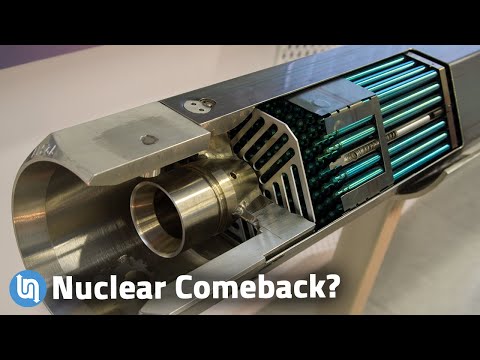
- SMRs are designed to be smaller than traditional reactors, allowing for quicker construction and improved safety features.
- They can be manufactured off-site in factories with standardized designs, which helps scale production efficiently.
Advantages Over Traditional Reactors
- SMRs can fit into trucks or shipping containers; they are generally defined as reactors producing up to 300 MW or less.
- NuScale Power's design exemplifies this technology: it occupies only 1% of conventional reactor space while generating just 60 MW per unit.
Cost Efficiency and Construction Benefits
- NuScale estimates that constructing multiple SMRs could cost around $3 billion for a total output of 720 MW—20% cheaper than traditional units currently being built.
- The modular nature allows installation in remote locations where larger plants would not be feasible.
Safety Considerations
Nuclear Power and Small Modular Reactors (SMRs)
Risks and Challenges of Nuclear Power
- The risk of power loss in nuclear plants increases accident risks, as seen in the Fukushima Daiichi disaster when an unexpected tsunami caused system failure.
- Maintenance and refueling add complexity to nuclear operations; traditional reactors require shutdown every 18 to 24 months for about a month without energy production.
Advantages of Small Modular Reactors (SMRs)
- SMRs differ from traditional reactors by being smaller and fitting into existing structures or having their own containment systems.
- Some SMR designs, like the 5 MW Micro Modular Reactor, can operate for up to 20 years without refueling, significantly reducing operational downtime.
Safety Features of SMRs
- SMRs enhance safety through lower thermal power cores and passive safety systems that reduce reliance on active systems like pumps and generators.
- In emergencies, specialized valves automatically release steam from the reactor vessel into the containment vessel, allowing for passive cooling without external power or operator intervention.
Investment in SMR Technology
- Countries are heavily investing in SMR research; NuScale has spent over $800 million on its design with projected costs decreasing due to efficiency improvements.
- Other American developers include GE Hitachi Nuclear Energy and TerraPower. China is also advancing with its ACP100 small modular reactor project.
Licensing Challenges for SMRs
- Despite advancements, licensing remains a significant hurdle for SMR technology; NuScale's design is still undergoing regulatory scrutiny regarding emergency shutdown systems.
- Concerns exist about low boron levels in water used during emergencies potentially affecting the ability to control nuclear reactions effectively.
Nuclear Power and Small Modular Reactors (SMRs)
Challenges in Approval and Cost Competitiveness
- The approval process for SMRs is complicated, despite their potential to be cheaper and safer than conventional power plants.
- Conventional power plants have a significant advantage in economies of scale, producing thousands of Megawatts compared to the dozens or hundreds from SMRs.
- A 2019 analysis by Energy Strategies indicated that the Levelized Cost of Electricity (LCOE) for SMRs ranges from $46.66/MWh to $90.48/MWh, highlighting uncertainty around resource costs.
Competition with Natural Gas and Waste Management Issues
- Nuclear power faces stiff competition from natural gas, which has an LCOE of $45.56/MWh.
- Critics point out unresolved issues regarding long-lived radioactive waste management associated with nuclear power, including SMRs using pressurized water reactors that still produce highly radioactive fuel.
Long-term Storage Concerns
- Dr. Gordon Edwards emphasizes the need for safe storage solutions for radioactive waste generated by new SMR reactors, which will require secure containment for hundreds of thousands of years.
- The International Atomic Energy Agency (IAEA) also stresses that managing spent fuel and radioactive waste is crucial when selecting nuclear technologies.
Potential Benefits vs. Existing Concerns
- Supporters argue that SMRs could provide a cost-effective and safe solution to balance intermittent energy sources like wind and solar power.
- Despite these potential benefits, there are ongoing concerns about the technology itself and unresolved issues within the broader context of nuclear power that must be addressed before widespread adoption can occur.