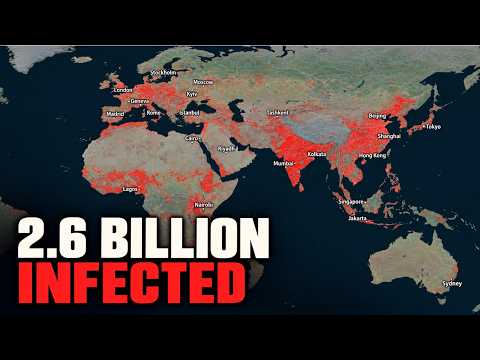
I Simulated a Hyper Realistic Zombie Apocalypse, Day by Day
The Initial Encounter with the Animal
Introduction to the Incident
- A worker at a rural animal market in Alor, Indonesia, is bitten by an animal while handling it, leading to a wound on his hand.
- The bite introduces saliva into the wound, marking the potential transmission of disease from animal to human.
Family Dynamics Post-Incident
- The worker downplays the injury's severity when discussing it with his sister, attributing any discomfort to a bad night’s sleep.
- Days pass without noticeable changes; he continues daily activities and family interactions without linking his minor injury to any health issues.
Deterioration of Health
Symptoms Begin to Manifest
- The worker experiences severe headaches and loss of appetite, struggling with normal conversations and showing signs of confusion.
- His condition worsens as he begins drooling excessively and exhibits aggressive behavior towards family members who approach him.
Emergency Response
- Concerned family members call for medical help after witnessing his alarming transformation; they attempt to communicate with him amidst his confusion.
Medical Intervention
Arrival at Clinic
- The first patient arrives at a rural clinic in Alor exhibiting violent symptoms similar to those observed in the worker.
- Medical staff begin investigating interconnected cases as more patients present similar symptoms linked back to the initial incident.
Spread of Illness
Community Impact
- As more individuals exhibit aggressive behaviors and hunger-driven actions, families start isolating items they fear may be contaminated or harmful.
Market Closure
- Local authorities close the animal market due to rising concerns about public safety amid increasing reports of illness among residents.
Escalation in Jakarta
New Cases Emerge
- In Jakarta, new patients display aggressive tendencies; healthcare workers struggle with managing incoming cases as panic spreads through communities.
Public Reaction
- Residents demand police protection following incidents involving aggressive patients attacking others; hospitals face overwhelming pressure from rising case numbers.
National Response
Government Actions
- Authorities implement stricter measures across regions affected by outbreaks while addressing public fears regarding safety protocols for healthcare workers.
International Concerns
- Global organizations like the UN urge governments worldwide to prioritize health responses amid escalating violence associated with infected individuals.
This structured summary captures key events chronologically while providing timestamps for easy reference. Each bullet point succinctly conveys critical insights related to health deterioration and community response during this crisis.
Community Responses to Medical Crises
Santiago's Power Struggles
- Residents of Santiago organize shared charging points due to frequent local power outages, highlighting the struggle for access to electricity amidst medical needs.
- A conflict arises when medical devices are prioritized over phones, illustrating the tension between healthcare and communication needs during crises.
Buenos Aires' Resource Exchange
- In Buenos Aires, residents exchange scarce food for bottles claimed to be medicinal, showcasing desperation amid resource shortages.
- Vendors display copied images of recovered patients as proof of efficacy, despite doctors rejecting these claims.
Bratislava's Hospital Challenges
- Hospitals in Bratislava revise schedules following another wave of absences among staff, indicating systemic strain on healthcare resources.
- An aggressive patient is shot outside a Cebu hospital after injuring companions; relatives accuse authorities of premature action before medical intervention could occur.
Deteriorating Conditions in Dhaka
- In Dhaka, vendors promote unverified treatments with misleading hospital images while angry buyers gather outside stores demanding refunds due to lack of improvement in patients.
Johannesburg's Volunteer Efforts
- Volunteers in Johannesburg prepare meals for families unable to leave sick relatives alone but face delivery disruptions due to fuel shortages.
The Impact of Transportation Issues
Istanbul's Bus Stations Overflowing
- Istanbul bus stations fill up as private operators cancel trips; families seek relatives elsewhere amidst transportation chaos.
Karachi's Supply Chain Disruptions
- Karachi warehouses hold goods that shops cannot collect due to absent transport crews; port workers request medical support for laborers’ families.
Education and Health Care Intersections
Bucharest Schools Adaptation
- Bucharest schools close classrooms due to staff shortages and parental concerns about student safety; teachers attempt remote work but discover some children lack functioning phones.
Water Supply Crisis in Manila
Manila Hospitals Struggling
- Water supply failures reach hospitals already conserving staff and supplies; families carry containers upstairs as elevators remain out of service.
Rising Death Toll Reports
Jakarta Family Tragedies
- Families report deaths after regular treatments were interrupted by service failures; narratives spread alongside videos of attacks leading attention back to pre-existing health conditions exacerbated by the crisis.
Geneva Negotiations on Medical Access
Relief Organizations' Accusations
- Relief organizations accuse governments of obstructing medical access under emergency orders during Geneva talks while officials demand assurances regarding aggressive patients' containment.
Military Orders and Civilian Safety Concerns
Shanghai Military Response
- A military unit in Shanghai refuses an order treating all exiting individuals from a closed building as enemies, instead requesting medical evaluations for those leaving.
Equipment Failures Affecting Healthcare Delivery
Ho Chi Minh City Distribution Issues
- Repair teams arrive at a distribution warehouse but fail to restore damaged equipment; drivers return without delivering shipments due to ongoing operational challenges.
Baltimore Emergency Measures Controversy
Mayor’s Actions Amid Violence
- The mayor of Baltimore enacts municipal barriers without state approval following repeated street violence incidents, prompting debates over emergency vehicle delays versus community safety measures.
Delayed Medical Responses During Emergencies
Late Arrivals Complicate Situations
- Assessment teams arrive hours late at homes where neighbors have waited outside uncertain if intervention would help or worsen risks during emergencies.
National Broadcast Interruptions
Jakarta Service Failures
- National broadcasts from Jakarta cease amid reassuring messages while essential services collapse across regions housing over half the global population.
Turn any video into a summary like this
YouTube links, meetings, lectures. With transcripts, search, and chat.