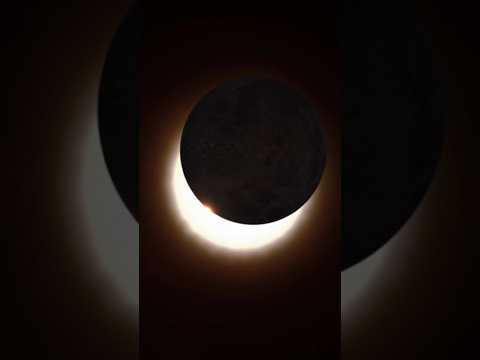
Lo que Nadie te ha Contado Sobre los Eclipses Solares
Understanding Solar Eclipses and Eye Safety
The Upcoming Solar Eclipse
- A total solar eclipse is set to occur on August 12, marking the first such event in the Iberian Peninsula since 1912.
- Viewers are encouraged to mark this significant date for observation.
Risks of Viewing a Solar Eclipse
- Directly looking at the sun triggers protective reflexes; however, during an eclipse, these reflexes can fail due to changes in light.
- As the sky darkens, pupils dilate more than usual, leading to increased risk of eye damage from intense sunlight.
Consequences of Eye Damage
- Increased radiation exposure can harm retinal cells, resulting in symptoms like dark spots in vision and blind spots.
- Notably, the retina lacks pain receptors; thus, individuals may not feel immediate effects but could experience delayed symptoms hours or days later.
Importance of Protective Eyewear
- To safely view an eclipse, certified glasses must meet ISO standard 12312-2; non-compliant eyewear is ineffective and potentially harmful.
- Regular sunglasses do not provide adequate protection against solar rays during an eclipse.
Alternative Viewing Methods
- For those unwilling to purchase protective glasses, a DIY indirect viewing method using a cardboard box is suggested as a safe alternative.