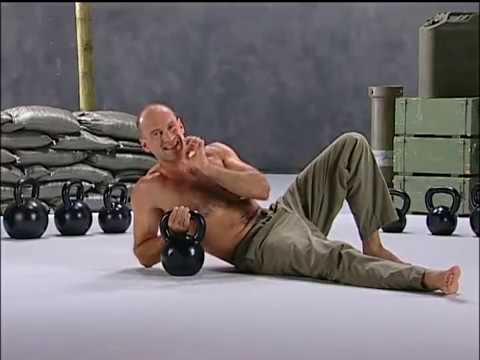
Enter the Kettlebell - Pavel Tsatsouline
Kettlebell Training Fundamentals
Introduction to Kettlebell Training
- The kettlebell is presented as a tool for improving strength and eliminating weaknesses, particularly in the context of Russian training methods.
- Emphasis on proper stance: feet should be wider than shoulders, toes turned out, knees aligned with toes, and maintaining a straight back while squatting.
Proper Squatting Technique
- The "face-the-wall squat" is introduced as a method to improve flexibility and technique; it encourages keeping the chest up and head aligned.
- Importance of not allowing knees to "frog" during squats; feet must remain flat and properly positioned.
Deadlift Mechanics
- Correct deadlift form requires a straight line from legs through hips to head; improper alignment can lead to injury.
- Cultural differences in posture are noted: Russians tend to have looser backs compared to Americans who may be tighter.
Stretching and Mobility Exercises
- A series of shoulder stretches are recommended for improving mobility; elbows should remain locked while stretching hips.
- Daily stretching routines are encouraged for overall flexibility, especially for overhead movements.
Safety Precautions in Kettlebell Training
- Safety tips include consulting with a doctor before starting intense kettlebell training due to its physical demands.
- Awareness of surroundings is crucial when training; ensure the area is clear of obstacles that could cause accidents.
Equipment Considerations
- Recommendations against using cushioned sneakers during kettlebell workouts; barefoot or minimal shoes like wrestling shoes are preferred.
- Always allow kettlebells space to fall without resistance; safety first when handling equipment.
Best Practices During Workouts
- Maintain movement after high-intensity sets instead of stopping abruptly; this helps manage heart rate effectively.
- Gradually increase training loads and listen to your body’s signals during workouts. Avoid overexertion that leads to injury.
Kettlebell Training Basics
Starting with Kettlebells
- Beginners should start with the right kettlebell weight: men typically begin with a 35-pound kettlebell, while women should start with an 18-pound kettlebell.
- The bench press is not a reliable strength test; if you bench less than 200 pounds, stick to the recommended starting weights for kettlebells.
- It’s beneficial to have three kettlebells: one recommended weight and two heavier ones for progression.
Key Exercises and Techniques
Kettlebell Swing
- The box squat technique helps in learning proper movement; ensure your hands are positioned correctly and push through your heels.
- Maintain vertical shins during squats; avoid leaning forward or letting feet come off the ground.
- Focus on keeping arms loose during swings; aim for a straight line from the body to the kettlebell at the top of the swing.
One-Handed Swing
- Transitioning to one-handed swings involves hooking the kettlebell rather than gripping tightly; start low and increase height as you improve.
- If the kettlebell pulls you forward, let it go instead of trying to recover mid-swing.
Safety and Form Guidelines
General Guidelines for Swings
- Maintain alignment during swings: head up, back straight (not upright), sit back instead of dipping down.
- Fully extend hips and knees at the top of each swing, ensuring that your body forms a straight line.
Get Up Technique
- The get-up exercise builds shoulder strength; begin by picking up kettlebells safely using both hands before transitioning to one hand.
- Keep elbows straight and wrists tight throughout movements. Gradually build up strength while maintaining safety in form.
Conclusion on Kettlebell Training Principles
Essential Points for Lifting Safely
- Always lift with both hands initially, ensuring elbow safety. Avoid hyperextending wrists by holding onto the handle properly.
Kettlebell Training Techniques
Key Principles of Kettlebell Training
- Control and Form: Always maintain vertical arms and control over the kettlebell and body. Avoid actions that cannot be performed with a heavy kettlebell.
- Proper Grip: Insert your hand into the kettlebell, allowing it to rest on the pointer finger. Keep the wrist neutral to prevent injury.
- Body Positioning: Relax shoulders while keeping glutes tight for back protection. The arm should stay close to the body, avoiding a "broken arm" position.
- Relaxed Tension Concept: Emphasize alternating between being loose and tight during lifts, similar to karate techniques. Arms should remain relaxed while hips drive movement.
- Dropping Technique: Practice dropping the kettlebell by hiking it past your body without tension in the elbow. This ensures safety during training.
Cleaning Technique
- Retracing Movements: After cleaning, practice retracing movements carefully to avoid injury. Focus on keeping the kettlebell close to your groin when dropping it.
- Avoiding Bad Positions: Maintain a proper grip and keep elbows close to protect joints during cleans; avoid letting the kettlebell drop too far forward.
- Learning Through Experience: Use practical experience (like hitting a wall with a kettlebell) as a learning tool for maintaining proper form during cleans.
Swinging Mechanics
- Swing Execution: Start swings by bringing the kettlebell back between legs before transitioning smoothly into an upward motion towards rack position.
- Key Points for Swings:
- Maintain straight arms at peak swing.
- Ensure elbow, torso, and kettlebell alignment at top of clean.
- Keep shoulders pressed down while allowing arms to remain loose.
- Minimize distance traveled by the kettlebell for efficiency.
Pressing Fundamentals
- Upper Body Strength Test: Pressing a heavy kettlebell is considered a rite of passage in some cultures; mastering this requires perfect cleaning technique first.
- Clean Quality Impact on Presses: A good press relies heavily on how well you can clean; ensure full body engagement when catching the bell after cleaning.
Kettlebell Pressing Techniques
Proper Body Mechanics for Kettlebell Pressing
- Emphasizes the importance of body positioning: pull up kneecaps, tighten glutes to prevent collapse while pushing away from the bar.
- Observes a significant change in strength and shoulder alignment when engaging lats properly during pressing movements.
- Advises on maintaining tension throughout the body by gripping the ground with toes and keeping quads, glutes, and abs engaged while pressing.
- Highlights that a strong press requires tightness throughout the body; weakness occurs when shoulders separate from the body.
- Describes the kettlebell press as a circular movement, stressing that elbows should lock at the top for optimal form.
Breathing Techniques During Kettlebell Exercises
- Stresses that breathing is crucial for performance; deep breaths without maintaining tension can lead to poor form and potential injury.
- Introduces "breathing behind the shield" concept: keep abs tight while finding a way to breathe in sync with movement to maintain stability.
- Warns against relaxing during overhead presses as it compromises back safety; emphasizes continuous engagement of core muscles.
Lowering Techniques for Kettlebells
- Demonstrates incorrect lowering technique where one yields to gravity instead of actively controlling descent, risking shoulder injury.
- Suggests using pulling motions similar to chin-ups or elbow strikes to lower kettlebells effectively while maintaining tightness in lats and glutes.
Kettlebell Snatch Fundamentals
Key Steps in Performing a Kettlebell Snatch
- Outlines essential steps for performing a military press with kettlebells: pause at lockout, keep knees locked, maintain midsection tightness, and ensure proper elbow extension.
- Introduces snatch as an advanced kettlebell move requiring mastery of swings first; emphasizes hip extension leading into high pulls.
Understanding Movement Phases in Snatching
- Breakdowns snatch into three stages: powerful hip drive (first stage), quick shoulder engagement (second stage), followed by rapid arm extension (third stage).
- Discusses how effective snatching requires transitioning smoothly under the kettlebell without allowing it to come around too much.
Safety Considerations During Snatches
- Advises on wrist position during snatches—keeping them straight is vital for shoulder and elbow health.
Kettlebell Techniques and Safety Tips
Proper Arm Positioning During Kettlebell Lifts
- Emphasizes the importance of keeping the arm loose while jumping to avoid shoulder strain.
- Advises on maintaining a proper grip by sucking the elbow into the socket before lifting, ensuring stability during kettlebell swings.
Learning Through Practice
- Suggests practicing snatches with kettlebells to understand how they sit in the shoulder, enhancing body awareness.
- Encourages switching hands during practice to build endurance and reduce discomfort.
Key Safety Points for Kettlebell Training
Movement Mechanics
- Stresses that athletes should initiate movements from their hips rather than their knees for better form.
- Warns against slumping forward after lifts, which can lead to back injuries; recommends relaxing post-lift instead.
Maintaining Body Integrity
- Advises bracing through the waist as if preparing for a punch to maintain core stability.
- Highlights the importance of keeping shoulders secure in their sockets during overhead lifts to prevent vulnerability.
Common Mistakes and Corrections
Hand and Wrist Positioning
- Instructs on avoiding hyperextension of wrists when performing kettlebell exercises; emphasizes a tight grip.
- Recommends keeping elbows straight at both ends of movements (top and bottom), crucial for shoulder protection.
Care for Hands
- Discusses hand care, particularly avoiding calluses that can hinder training progress; suggests using creams if necessary.
The Cultural Significance of Kettlebells in Training
Historical Context
- Compares kettlebell training diversity to coffee choices in supermarkets, illustrating its rich variety.
Core Exercises
- Identifies pulling and pressing as foundational kettlebell exercises essential for developing strength and conditioning.
Rite of Passage
- Notes that pressing heavy kettlebells is seen as a significant milestone in Russian culture, symbolizing strength development.
Craftsmanship Behind Kettlebells
Manufacturing Process
How is a Kettlebell Made?
The Process of Pouring Metal
- The process begins with ensuring that there are no gases trapped in the mold when pouring molten metal. Excess metal flows into the riser, which helps manage shrinkage as the chemical cools.
- After pouring, the next step involves shaping the kettlebell. A component referred to as "Sam" will descend and compress before being flipped, indicating a multi-step molding process.
Handling Materials and Equipment
- The kettlebell's size is significant; for instance, a "Beast" kettlebell is too large for some molds. This highlights considerations regarding mold capacity and material handling during production.
- Molten iron is introduced into a crucible from a furnace where scrap iron has been melted down. This emphasizes the recycling aspect of materials used in manufacturing kettlebells.
Final Steps in Production