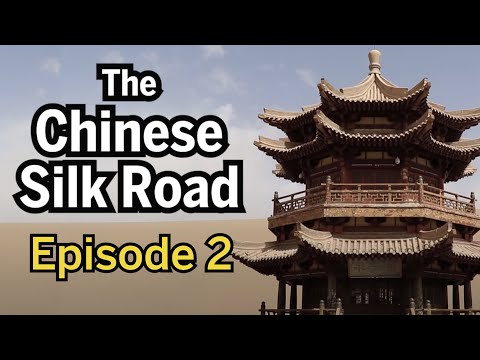
The Chinese Silk Road - Episode 2 - Into the desert and exploring Urumqi, Xinjiang | Travel China
The Journey Begins: Exploring the Silk Road
Introduction to the Silk Road
- The Silk Road was a vital trade route connecting China to Europe since 200 BC, facilitating international trade and cultural exchange.
- Merchants from various nationalities traveled this route in search of treasures and adventures.
Starting Point: Xi'an to Kashgar
- The journey begins in Xi'an, the ancient capital of China, and ends in Kashgar, an Islamic city rich in history.
- Travelers will experience diverse landscapes including deserts, mountains, cities, and ancient monuments while learning about local stories.
The Goby Desert: A Harsh Terrain
Arrival at the Oasis
- The Goby Desert presents extreme challenges for merchants; however, oases like the medicinal spring offer respite.
- This oasis is known for its legendary healing properties attributed to special plants and fish believed to grant immortality.
Cultural Significance of the Spring
- The site has historical importance as a Buddhist pilgrimage destination with thousands visiting annually.
- An ancient folk tale explains how demons were trapped by sand due to a demigod's encounter with a mischievous boy, creating the crescent lake behind it.
Traveling Through Time: From Camels to Trains
Transitioning Modes of Transport
- After traversing on foot through challenging terrain, travelers switch from camels to sleeper trains for comfort on their journey towards Urumqi.
- Chinese sleeper trains are popular for long-distance travel; passengers can spend up to three nights aboard them.
Urumqi: A Cultural Hub
Overview of Urumqi
- Urumqi serves as the capital of Xinjiang province and evolved from a tax collection point into a major hub along the Silk Road. It features a diverse population dominated by Uyghur ethnicity who speak their own language.
Grand Bazaar Experience
- The Grand Bazaar is vibrant with goods reflecting Silk Road heritage—exotic fruits, textiles, jewelry, and musical instruments are abundant here. Music plays an essential role in local culture as well.
Craftsmanship in Musical Instruments
- Local craftsmen dedicate significant time crafting intricate musical instruments that are traditionally played during festivals and celebrations across Xinjiang region. One notable instrument showcased is the satar.
Cultural Symbols: Woolen Carpets
- Woolen carpets hold great cultural significance within homes throughout Xinjiang; they represent one of the most valuable commodities traded historically along the Silk Road.
Exploring the Kashgar Cattle Market
Journey Resumes in Western China
- The narrator reflects on a brief respite from the heat and exhaustion of the desert, indicating a transition back to their journey deeper into western China.
- The upcoming segment will focus on the Kashgar cattle market, highlighting its significance as a hub where traders and farmers gather from across the province.
- The description emphasizes the historical context of centuries-old buildings and winding cobbled streets that characterize the market area, suggesting a rich cultural backdrop.