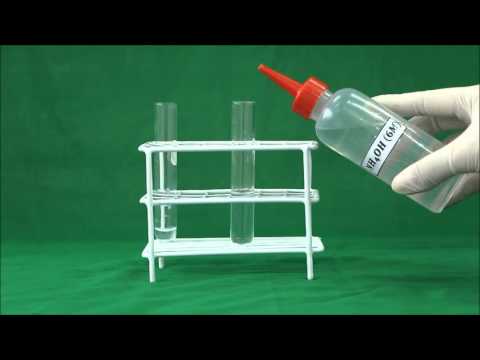
Marcha Analitica Cationes Grupos I - II - Parte 03/03
March of Cations: Group Two Analysis
Introduction to Group Two Cations
- The discussion begins with the analysis of group two cations, including bismuth, antimony, copper, cadmium, and tin. The absence of mercuric cation is noted due to its reaction with stannous ions in the mixture.
Reaction Dynamics
- A selective reaction occurs where mercuric ion is reduced to mercurous while stannous ion is oxidized to stannic. This transformation prevents the identification of mercuric ion in the solution.
- If stannous was absent, mercuric would remain unreacted and identifiable through specific tests involving stannous chloride that yield a white precipitate confirming its presence.
Lead Discarding Process
- The process for discarding lead involves reacting the initial mixture with hydrochloric acid which forms chlorides; however, lead chloride's higher solubility may allow some lead to remain in solution. Thus, verifying lead presence becomes crucial at this stage.
- To confirm lead's presence or absence after initial reactions, ammonium sulfate is added; a white precipitate indicates lead's existence in the solution. This step is essential before proceeding further with group two cations.
Precipitation and Separation Techniques
- After confirming no lead remains, ammonium hydroxide is introduced to create a basic medium necessary for precipitating group two cations as hydroxides or oxides. Proper pH adjustment using litmus paper ensures successful precipitation processes occur without interference from acidic conditions initially present in the solution.
- Excess ammonium hydroxide can dissolve certain precipitates into soluble complexes (e.g., tetraamine cuprate), allowing for easier identification later on by observing color changes indicative of different ions present in solution (blue for copper).
Final Steps for Identification
- Following centrifugation and separation of precipitates from solutions containing bismuth and antimony ions requires careful pH adjustments using hydrochloric acid followed by sodium hydroxide to ensure proper ionic states are maintained for subsequent tests aimed at identifying each metal accurately through their respective reactions yielding distinct colors or precipitates (black for bismuth).
Confirmation Tests
- For tin(IV), iron elemental reduction confirms its presence when it reduces tin(IV) back to tin(II), which can then be identified via mercury chloride forming a white precipitate indicating successful reduction occurred during testing procedures (using appropriate iron samples).
Antimony Detection
- Antimony detection involves converting antimony(III) into antimony(V) using concentrated hydrochloric acid and potassium nitrite; this oxidation allows visual confirmation through color change when reacted with rodamine dye transitioning from red to violet/blue upon successful conversion indicating antimony’s presence within the sample being tested (violet confirms positive result).
Copper and Cadmium Identification
- Copper reacts specifically with potassium ferricyanide under neutral conditions producing reddish-brown precipitate confirming copper’s presence while cadmium identification utilizes excess potassium cyanide leading to unstable complexes that react selectively forming yellow cadmium sulfide upon addition of sodium sulfide confirming cadmium’s existence within original mixtures analyzed throughout these experiments (yellow indicates positive result).