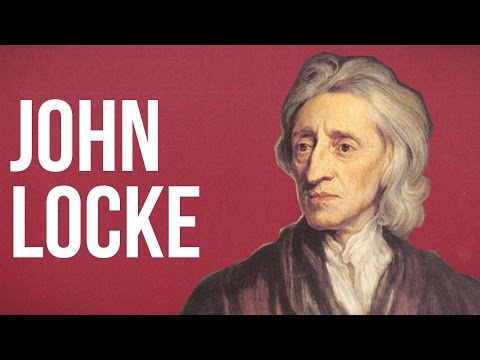
POLITICAL THEORY - John Locke
John Locke: Philosopher of Toleration and Government
Early Life and Influences
- John Locke, born in 1632 in Somerset, England, is known for his contributions to education, governance, and religious tolerance. His early experiences during the English Civil War shaped his worldview.
- At age 10, Locke witnessed the execution of King Charles I while studying at Westminster School, an event that left a lasting impression on him.
- Initially studying medicine at Oxford with aspirations to become a doctor, Locke's life took a turn when he met Antony Ashley Cooper (the First Earl of Shaftesbury), who invited him to join his household in London.
Advocacy for Religious Tolerance
- Locke became deeply interested in the issue of religious dissent during a time when Protestantism was questioning established beliefs following the break from Catholicism. He argued against government control over religion.
- In his essay "Concerning Toleration" (1667), he presented three main arguments for religious freedom:
- Earthly judges cannot reliably determine truth claims of different religions.
- Compulsion does not lead to genuine belief; violence cannot enforce true faith.
- Coercing uniformity causes more social disorder than allowing diversity.
The Role of Government According to Locke
- Locke believed that the primary role of government is to ensure peaceful coexistence among individuals rather than dictate personal beliefs or morals. Religion should be a matter of personal choice and voluntary association through churches.
- His ideas significantly influenced societal views on religious freedom by the 18th century, leading other nations to admire England's approach towards belief systems as irrelevant to one's status or prospects.
Political Authority and Governance
- In 1689, Locke published "The Two Treatises of Government," addressing who should govern and on what basis authority is derived.
- He challenged the notion that political power comes directly from God and critiqued Hobbes' view that kings justified their rule through maintaining order after chaos in the state of nature. Instead, he sought legitimate foundations for governance based on consent rather than divine right or fear tactics used by rulers like Hobbes did.