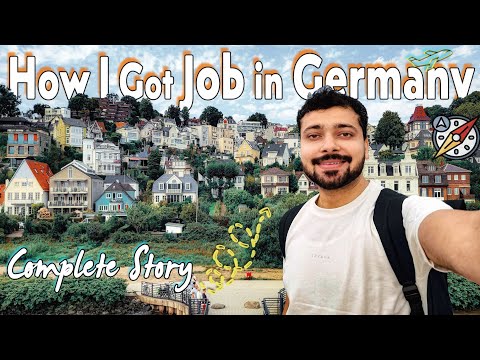
How I got a Visa Sponsored Job in Germany from India (Complete Journey)
How I Got a Full Visa Sponsored Job in Germany Directly from India
Introduction to the Journey
- The speaker discusses their transition from remote work in India to seeking opportunities abroad, particularly in Germany. They reflect on the motivation behind this decision and how it marked the beginning of their journey.
Initial Job Search Efforts
- After deciding to move abroad, the speaker applied for jobs at various international companies without much success initially. They faced challenges such as not receiving rejection emails, leading them to doubt whether their applications were even reaching employers.
- The speaker connected with others through LinkedIn and utilized AI tools like ChatGPT for research, discovering that some companies sponsor visas and assist with relocation. This realization was crucial for their job search strategy.
Understanding Visa Sponsorship
- The importance of visa sponsorship is emphasized; a job offer is typically required to obtain a work visa, creating a cyclical dependency between employment and immigration status. Companies often ask applicants about their eligibility to work in the country and if they require future visa sponsorship during the application process.
- The speaker notes that many companies prefer hiring locally unless they cannot find suitable talent within the country, which is especially relevant in sectors facing talent shortages like IT in Germany. As a result, some firms have started hiring English-speaking candidates instead of requiring German language proficiency.
Finding Suitable Companies
- To identify companies that sponsor visas, the speaker suggests researching specific industries or regions where there are known shortages of skilled labor (e.g., IT). They also mention leveraging connections for referrals during job applications as an effective strategy.
- A list of potential countries for job applications is provided based on personal preferences and market research conducted by the speaker, highlighting countries like Germany, Netherlands, Switzerland, etc., which are known for sponsoring visas effectively.
Application Process Insights
- The speaker shares insights into applying for jobs online through various platforms while emphasizing maintaining an updated resume tailored to international standards—highlighting key sections such as contact details (including LinkedIn), GitHub links for portfolios, and concise summaries of experience relevant to prospective roles.
- They advise against spending excessive time on cover letters since HR personnel may not prioritize them if resumes are strong enough; instead suggesting brief summaries that capture essential qualifications succinctly.
Interview Preparation Tips
- The interview process typically begins with a telephonic round where basic questions are asked; however, candidates should be prepared for technical assessments that align closely with what has been stated on their resumes or expected skills outlined by employers.
- Candidates should articulate multiple methods or solutions when answering technical questions during interviews to demonstrate depth of knowledge and adaptability—this approach can significantly improve chances of progressing past initial rounds of interviews.
Cultural Differences in Salary Negotiation
- In contrast to practices common in India where salary discussions might be more private among HR personnel only, German companies often involve team leads or managers directly in salary negotiations reflecting transparency within organizational structures regarding compensation discussions.
Conclusion: Navigating Visa Processes
- Once an offer letter is signed following successful interviews and salary negotiations, candidates must navigate legal processes involving documentation submission through embassies which can take several months; understanding these timelines is critical when planning relocation.
Challenges in Proving Educational Credentials
Difficulty in Document Verification
- The speaker discusses the challenge of proving their four-year B.Tech degree was completed in a traditional college setting rather than online, as degrees do not specify this.
- They mention obtaining a transcript from VTU (Visvesvaraya Technological University) after significant effort and time spent at the college.
- A bonafide certificate and affidavit were created to confirm regular attendance, signed by the principal and chairman.
Visa Application Process
- After submitting all required documents, including scanned copies, the visa was received within about a month.
- The company covered flight expenses, allowing for booking through a designated portal with options available within budget constraints.
Arrival in Germany
First Impressions
- The speaker arrived in Germany on April 14th and started work shortly thereafter, describing the country as beautiful and peaceful.
- They note challenges such as frequent rain but appreciate the cleanliness and tranquility of their surroundings.
Essential Documents for International Jobs
Importance of Passport
- Emphasizes that having a passport is crucial when applying for international jobs due to necessary verification processes that can be time-consuming.
Job Market Insights in Germany
Language Requirements
- The speaker addresses whether German language proficiency is mandatory for jobs; they have worked for 1.5 years without knowing German.
- Approximately 70%-75% of jobs require German language skills, especially at major companies like Google and Microsoft.
Opportunities Without Language Skills
- For those who do not speak German, opportunities exist primarily in startups where salaries may exceed those offered by larger companies.
Work-Life Balance and Benefits
Employee Perks
- Highlights benefits such as unlimited sick leave without needing prior approval from supervisors.
- Discusses healthcare being largely free but notes difficulties in securing appointments due to doctor shortages.
Travel Opportunities Within Europe
Blue Card Visa Advantages
- Upon arriving on a Blue Card visa, individuals can travel freely across Schengen countries without additional visas or fees.
Efficient Transportation System
- Describes Germany's centralized transportation system (Dutchbahn), which allows unlimited travel across various modes with one monthly pass costing around €60.
Financial Considerations When Moving to Germany
Minimum Salary Expectations
- To qualify for a Blue Card visa, an annual salary of approximately €48,000 is needed; this increases based on experience level and city cost of living.
Cost of Living Breakdown
- Rent: Expect around €1200–€1300 per month for basic accommodation.
- Food: Monthly grocery costs are estimated between €300–€400.
- Additional expenses include dining out occasionally and purchasing clothing or shoes.
Final Thoughts on Relocating to Germany
Personal Reflections
- The speaker advises against moving solely for financial gain; instead emphasizes quality of life aspects like work-life balance and international exposure.
Turn any video into a summary like this
YouTube links, meetings, lectures — with transcripts, search, and chat.