The urgency of intersectionality | Kimberlé Crenshaw | TED
Understanding Intersectionality
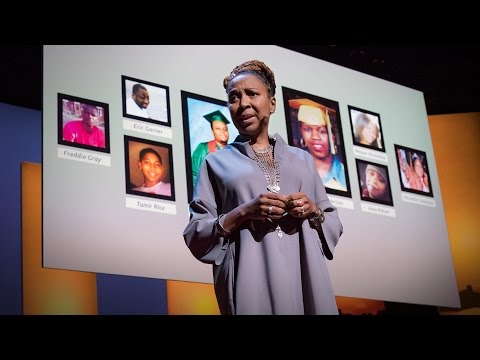
In this section, the speaker engages the audience in an interactive exercise to highlight awareness of police violence against African-Americans and the lack of recognition for black women affected by similar issues.
Recognizing Disparities in Awareness
- The speaker names victims of police violence, revealing a disparity in recognition between African-American men and women.
- Emphasizes the low awareness of police violence against black women across various groups and professions.
- Discusses how gender is the distinguishing factor between recognized and unrecognized victims of violence.
Challenges in Framing Social Issues
This segment delves into the absence of frames to acknowledge and remember black women impacted by social injustices, leading to their exclusion from mainstream discussions on racism and sexism.
Lack of Recognition for Black Women
- Explains how existing frames hinder the inclusion of black women's experiences in discussions on social problems.
- Highlights the consequences of lacking frames, such as media neglect and policy oversight regarding issues faced by black women.
- Advocates for a broader perspective through intersectionality to address overlapping forms of discrimination.
Case Study: Emma DeGraffenreid
The speaker shares a personal encounter with Emma DeGraffenreid's case to illustrate how intersecting oppressions based on race and gender were overlooked within legal contexts.
Legal Injustices Faced by Emma DeGraffenreid
- Introduces Emma DeGraffenreid's employment discrimination case involving race and gender biases at a local manufacturing plant.
- Describes how Emma's claims were dismissed due to failure in recognizing intersecting discriminations she faced as an African-American woman.
Understanding Intersectionality and State Violence
In this section, the speaker delves into the concept of intersectionality and its impact on individuals facing discrimination based on race and gender. The discussion progresses to highlight the challenges faced by African-American women due to intersecting social dynamics.
Framing Problem and Alternative Narrative
- The court's framing of gender and race discrimination was deemed partial and distorting.
- Exploring an alternative narrative or prism to understand Emma's dilemma beyond traditional perspectives.
Intersectionality in Discrimination
- Introduction of the concept of intersectionality where multiple forces intersect, affecting individuals like Emma.
- Discussion on how African-American women face unique challenges due to intersections of race, gender, and other social dynamics globally.
State Violence Against Black Women
- Highlighting real instances of police violence against black women across different age groups and circumstances.
- Narrating various scenarios where black women have been subjected to violence, emphasizing the lack of media attention compared to men.
Demand for Recognition: Say Her Name
This segment focuses on advocating for recognition and remembrance of black women who have been victims of state violence through initiatives like "Say Her Name" campaign.
Advocacy for Recognition
- Introduction to the "Say Her Name" initiative by the African-American Policy Forum demanding acknowledgment at various platforms discussing state violence against black individuals.
- Emphasizing the need for more than just verbal recognition but active participation in bearing witness to the challenges faced by black women across diverse backgrounds.
Commemoration Through Naming
- Encouraging collective remembrance through a roll call naming several black women who have been victims of violence, urging active involvement in honoring their memory.
Turn any video into a summary like this
YouTube links, meetings, lectures. With transcripts, search, and chat.