Keynote Navigating the Multi Generational Workplace
Introduction to Dr. Paul Redmond's Keynote
Overview of the Presentation
- Dr. Paul Redmond, from the University of Liverpool, discusses the challenges faced by data leaders in managing high-performing teams amidst rapid digital change and demographic diversity.
- He emphasizes the importance of blending digital intelligence with emotional intelligence to enhance collaboration and innovation within teams.
- The keynote will focus on understanding multi-generational organizations and how different generations perceive work.
Generational Insights
- Dr. Redmond shares insights from 20 years of research on multi-generational workplaces, highlighting the need for leaders to understand generational perspectives.
- He identifies five distinct generations currently in the workforce and explores forces driving generational differences at an accelerated pace.
Forces Driving Change in Generations
Understanding Generational Dynamics
- Leaders must grasp three key forces of change affecting generational dynamics; failure to do so may lead to difficulties in team management.
- Dr. Redmond promises actionable insights that attendees can implement within their teams.
Personal Connection to Generations
- The presentation will delve into personal motivations across generations, relevant not only at work but also within family structures.
- He humorously suggests that parents considering having children should heed his insights for better understanding future generational behaviors.
The Concept of Generations
Historical Context
- The idea that generations differ is ancient, dating back over 4,000 years; each generation views work through its unique lens.
Challenges in Multi-generational Teams
- Despite managing diverse age groups, many leaders find that intergenerational communication is lacking; younger employees often avoid engaging with older colleagues.
Opportunities Within Multi-generational Teams
Building Effective Teams
- There exists a significant opportunity for organizations that successfully cultivate thriving multi-generational teams, enhancing both financial outcomes and customer engagement.
Defining Generation's Impact on Work Culture
- A person's generation shapes their worldview, influencing aspects such as workplace behavior, management style, and even communication preferences like punctuation usage.
Characteristics of Different Generations
Identifying Major Generations
- Dr. Redmond outlines major generational cohorts including the Silent Generation (older than Baby Boomers), who are characterized by their stoicism and reluctance to complain.
This structured summary captures key points from Dr. Paul Redmond's keynote address while adhering strictly to timestamp rules for easy reference.
Generational Insights in the Workplace
Overview of Generations
- The speaker introduces "Generation Beta," referring to children born last year, and discusses the various generations impacting today's workforce.
- Focus is placed on major generational groups, particularly in relation to data and analytics fields.
Baby Boomers
- Baby boomers now represent only 3% to 8% of the workforce in data analytics, having been the largest generation historically.
- Boomers possess significant wealth and property ownership, which allows them to retire comfortably without financial worries.
- A student reflects on inheriting property from their parents, highlighting a common sentiment among younger generations regarding homeownership.
Millennials as Key Players
- Millennials have become the largest generation within data analytics and are now occupying middle management roles.
- They manage teams that include both older employees (boomers) and younger ones (Gen Z), positioning them as a bridge between generations.
Characteristics of Baby Boomers
- Understanding baby boomers is crucial for grasping current workplace dynamics; they established traditional office norms such as fixed working hours.
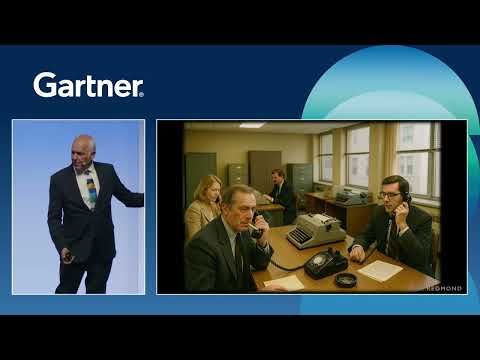
- Boomers typically started work during the analog age, leading to a strong emphasis on punctuality and formal office attire.
Communication Styles
- Boomers are noted for their formal communication style, including a unique phone etiquette that distinguishes them from younger generations.
- Smoking was prevalent among boomers; it served as a social norm rather than an exception during their formative years.
Wisdom and Experience
- Despite feeling overlooked in modern workplaces, boomers bring invaluable wisdom gained through experience—essential for mentoring younger colleagues.
Helicopter Parenting Phenomenon
- Boomer parents often continue to support their millennial children into adulthood, exemplified by instances where they intervene in professional matters like calling in sick.
Generation X's Role
- Generation X is characterized by feelings of disillusionment towards previous generations but plays a critical role in managing transitions between old and new workplace cultures.
The Evolution of Mobile Phones and Generational Perspectives
The Shift in Perception of Mobile Phones
- Discussion on how Apple no longer markets phones based on mobility, indicating a shift in consumer perception.
- A student questions the historical context of mobile phones, prompting a reflection on the past when families had only one phone.
- Nostalgia for the single household phone, which was often displayed prominently as a status symbol.
Public Nature of Phone Conversations
- Reflection on how every phone conversation was public, with family members listening in as a form of entertainment.
- Anecdote about neighbors joining in during phone calls, highlighting the communal aspect of communication before privacy became common.
Generation X's Unique Position
- Generation X is described as having experienced the transition from analog to digital technology but not being digital natives.
- They possess knowledge that younger generations may lack, such as the connection between audio cassettes and pencils.
Speculation Exercise with Students
- The speaker engages students in an exercise to connect audio cassettes with HP pencils, illustrating generational gaps in understanding technology.
- Emphasis on Generation X being pivotal as they bridge analog systems and AI transformation.
Boredom and Creativity
- Reflection on how Generation X remembers boredom—a state that has seemingly diminished with modern technology.
- Personal anecdotes about childhood boredom leading to creativity and imagination development.
The Impact of Technology on Human Experience
Loss of Boredom and Its Consequences
- Assertion that society has lost its ability to be bored since the advent of smartphones, impacting creativity negatively.
- Warning that losing boredom equates to losing essential human qualities like imagination and innovative thinking.
Encouraging Future Generations
- Suggestion for parents to allow their children to experience boredom for skill development necessary for future challenges.
Understanding Millennials' Role in Modern Workplaces
Characteristics of Millennials
- Recognition that millennials are highly educated yet face criticism regarding practical skills like spelling.
- Millennials challenge traditional work norms by questioning why they need to come into offices at all.
Management Dynamics Across Generations
- Millennials are positioned as middle managers who must navigate relationships across different generational cohorts effectively.
Communication Challenges Among Generations
Difficult Conversations Avoidance
- Observation that millennials tend to avoid difficult conversations, delegating them instead to older generations like Gen X.
Consequences for Gen Z Employees
- Highlighting potential turnover among Gen Z employees due to lack of open communication from millennial managers.
Technological Proficiency Among Younger Generations
Native Technology Users
- Discussion about Gen Z and Alpha growing up immersed in technology without formal training.
- These generations have access to more advanced technology than previous eras while remaining unaware of its full implications.
The Impact of Technology on Generations
Ubiquitous Computing and Connectivity
- Gen Z and Alpha have grown up in a world where computing is everywhere, leading to constant connectivity and on-demand answers.
- Identity for these generations is fluid and self-authored, contrasting with older generations where authority was assumed rather than earned.
- While technology makes it easy to create and collaborate, it also presents challenges in data interrogation and information validation.
The Challenge of Literacy
- We may be entering a post-literate generation where reading becomes less necessary; by 2028, voice AI could dominate work processes.
- Understanding the forces driving generational change is crucial as they evolve rapidly.
Forces Driving Change
Humanity Rewired
- Technology reshapes humanity faster than ever; our tools influence us in unforeseen ways.
- A surprising statistic reveals that 21% of toddlers own smartphones, highlighting early tech exposure.
Phone Dependency
- A significant percentage of people check their phones within 15 minutes of waking up, indicating dependency on technology.
- Approximately 80% of individuals check their phones before greeting another person in the morning.
Nomophobia: Anxiety from Disconnection
Understanding Nomophobia
- Nomophobia refers to anxiety caused by low phone battery levels; about 48% experience this condition.
- Touching our phones has become an unconscious social behavior, often replacing direct human interaction.
Social Behavior Transformation
- In workplaces, using phones during meetings has become socially acceptable; around 60% of executives admit to checking their devices while meeting.
Attention Span Crisis
Distracted Minds
- Our obsession with technology leads to increased distraction; multitasking is ineffective due to our brain's limitations.
- Human brains are not designed for multitasking; we struggle more with attention as information overload increases.
Continuous Partial Attention Syndrome
- Sociologist Linda Stone describes a phenomenon where individuals maintain partial attention continuously across various tasks.
Concentration Challenges at Work
Declining Focus
- On average, people can only concentrate for three minutes before losing focus at work.
- Once attention is lost, it takes approximately 23 minutes to regain focus, contributing to feelings of unproductiveness despite being busy.
Understanding Attention in Data Analytics
The Shift from Knowledge to Attention
- In data analytics, attention has become the new power, overshadowing traditional knowledge and information.
- This loss of attention is not accidental; technology has been deliberately engineered to distract users, leading to a state of constant distraction.
Generational Fragility and Risk Aversion
- Today's younger generations are growing up more fragile compared to previous ones, influenced by heightened risk aversion.
- Unlike older generations who faced everyday risks, today's youth are conditioned to avoid danger, impacting their resilience.
Changing Psychological Contracts in the Workplace
- Younger generations have developed a different psychological contract with work compared to Boomers and Generation X.
- Previous generations accepted workplace rules without question; today’s workforce seeks collaboration and challenges authority.
Building Multi-Generational Teams
Importance of Diverse Generations
- To create effective teams in data analytics, it is essential to include all generational perspectives.
- While no individual is perfect, a team can achieve perfection through diverse contributions across generations.
Key Human Skills for Future Success
- Five critical skills that AI cannot replicate will be vital: attention management, judgment, trustworthiness, curiosity, and courage.
- Developing these human-centric skills will help individuals remain relevant and future-proof against AI advancements.
Adapting Engagement Strategies
Tailoring Communication Across Generations
- It’s crucial not to treat every generation as identical; engagement styles must adapt based on generational differences.
- Understanding key drivers for each generation will enhance collaboration within multi-generational teams.
Creating an Inclusive Culture
- Leaders should ensure that every generation feels valued and included within the workplace culture.
Leadership Insights for Modern Workplaces
Embracing Vulnerability as Strength
- Leaders should view vulnerability as a strength; admitting uncertainty fosters open communication among team members.
Rethinking Feedback Mechanisms
- Instead of collecting feedback—which can often be irrelevant—leaders should ask for advice focused on future actions.
Addressing Inattention Risks
Recognizing Inattention as a Major Threat
- The greatest risk in modern workplaces is not disruption but rather losing focus due to distractions prevalent in digital environments.
Implementing Tech-Free Meetings
- To combat distractions effectively, leaders should consider holding tech-free meetings once a week.
Enhancing Meeting Dynamics
Rethinking Meeting Structures
- Removing chairs from meeting rooms encourages engagement and participation, leading to more dynamic discussions.
- Eliminating technology in meetings can significantly change the nature of interactions and outcomes.
- Regularly challenge team members, especially Gen Z, to explain their data outputs; inability to do so indicates a lack of understanding.
Importance of Talent Pipeline
- A strong talent pipeline is crucial for effective data strategy implementation, as highlighted by Gartner's surveys.
- The primary challenges organizations face include finding individuals with the right skills and fostering organizational adoption.
Understanding Generational Motivations
Gen Z and Millennials' Aspirations
- Younger generations seek jobs that provide a sense of purpose and allow them to make a meaningful impact.
- Organizations have a unique opportunity to attract these generations by emphasizing their mission over mere job functions.
Communicating Data Analytics Effectively
Mission Over Machinery
- When discussing data analytics with Gen Z, focus on the transformative impact rather than technical details.
- Highlighting real-world benefits derived from trustworthy data can enhance engagement and understanding among younger employees.
The Art of Listening in Leadership
Critical Leadership Skills
- Effective leadership requires strong listening skills, particularly when engaging with diverse generational perspectives.
- Leaders often struggle with listening due to preconceived notions or impatience; awareness is key for improvement.
Insights from Medical Professionals
Learning from Doctors' Listening Habits
- Observations reveal that doctors frequently interrupt patients within 18 seconds after asking about their problems.
- Research indicates that allowing patients to speak for at least 40 seconds fosters better emotional responses and optimism regarding their health.
Practical Listening Exercises
Homework for Improved Listening Skills
- Practice active listening by dedicating 40 seconds to family conversations; this simple act can transform relationships.
- Reflect on who you listen to most often; consider diversifying your sources by seeking mentorship from younger generations.
Turn any video into a summary like this
YouTube links, meetings, lectures. With transcripts, search, and chat.