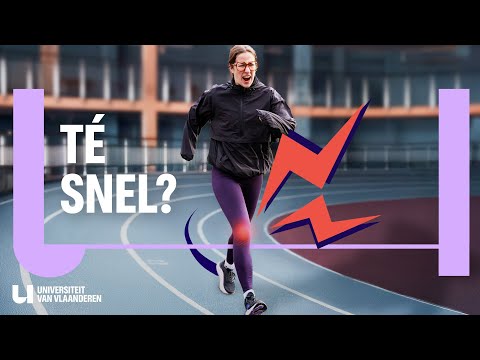
Hoe voorkom je blessures tijdens het lopen?
Preventing Running Injuries: Insights from Biomechanics
Understanding the Problem of Running Injuries
- Manu, a listener, experiences pain after running, highlighting a common issue among runners where injuries can arise from overexertion.
- The speaker introduces Veerle Segers, a biomechanist who has developed the OnTracx sensor to help monitor physical exertion during running.
Mechanisms of Injury and Recovery
- Pain after running is normal but should not be persistent; ongoing pain indicates an injury rather than typical muscle soreness.
- Many runners push themselves too hard too quickly, increasing their risk of injury by exceeding their body's capacity to recover.
- Factors such as speed, terrain type, and footwear significantly affect the load placed on the body while running.
Key Factors Influencing Injury Risk
- Runners with sensitivity to shin splints are advised against running on hard surfaces like concrete due to higher impact forces compared to softer terrains.
- Training must involve manageable loads followed by adequate recovery time for muscles and tissues to strengthen without injury.
Measuring Impact Forces in Running
- The ideal training program balances load and recovery; insufficient recovery leads to decreased strength when facing new challenges.
- Impact peaks during running can reach extreme values (8g - 20g), which are significant compared to other activities like roller coasters that max out at 5g.
Utilizing Technology for Injury Prevention
- The OnTracx sensor measures impact peaks at the shin where most injuries occur; it transmits data via Bluetooth for analysis.
- This technology allows runners to visualize their impact levels across different terrains and shoe types, helping them make informed decisions about their training practices.
- By adjusting footwear or changing running style based on feedback from the sensor, runners can effectively manage their impact peaks and reduce injury risks.
How to Avoid Injuries While Running
Individualized Impact Measurement
- The application allows users to run with varying impact levels (10g, 11g, 12g) without the risk of injury, emphasizing the importance of individual thresholds.
- Users are prompted to provide subjective scores regarding their running experience, which helps the algorithm learn and predict personal threshold values based on user feedback.
Sensor Availability and Cost
- The sensor required for this application can be downloaded from the Play Store or App Store, making it accessible for users.
- The cost of the sensor is approximately €200; however, investing in it may save money in the long run by preventing injuries that would require medical treatment.
Conclusion and Further Engagement
- Viewers are encouraged to explore more health tips from Universiteit van Vlaanderen and share their strategies for minimizing impact peaks in running through comments.