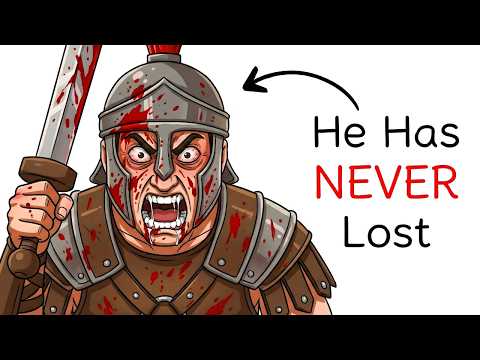
Your Life as Every Rank of Roman Gladiator
The Journey of a Gladiator
Level One: The Tyro
- Gladiators begin as property, often coming from backgrounds such as prisoners of war or slaves. Their identity is stripped away upon entering the Ludas.
- New gladiators sleep in cramped, unsanitary conditions and are given wooden swords (rutus) for training, which they will use for months before handling real weapons.
- Training is overseen by experienced gladiators who teach survival skills and assess raw talent; many aspirants fail to endure the mental strain.
- Basic training focuses on footwork, defense, and endurance through a diet primarily consisting of barley and beans to build bulk for protection.
Level Two: The Novicious
- Surviving basic training elevates a gladiator to novice status; fighting styles are assigned based on physical attributes and abilities.
- Training intensifies with real but blunted weapons; novices spar under strict supervision to develop muscle memory and technique.
- Observing veteran gladiators provides insight into efficient combat techniques; their calm demeanor reflects extensive experience in life-and-death situations.
Level Three: The Veteranist
- The first fight is chaotic; the emotional aftermath includes feelings of guilt after killing an opponent amidst the crowd's roar.
- Survival hinges not just on skill but also on understanding crowd dynamics—fighting bravely can earn mercy from spectators while cowardice leads to death.
- Gladiators learn about fixed fights where outcomes are predetermined by sponsors, emphasizing their status as valuable property rather than free individuals.
Level Four: The Primus Palace
- Achieving top rank among trainees brings fame; successful gladiators become symbols of wealth and prestige for sponsors who showcase them at lavish events.
- Despite better treatment—including improved food and living conditions—gladiators remain enslaved, facing increased pressure to perform spectacularly in every fight.
Level Five: The Rudi Arias
- A standout performance can lead to freedom symbolized by receiving the rutus from the emperor, allowing former gladiators to reclaim their lives outside the arena.
- Some choose normalcy after gaining freedom but struggle with ordinary life due to their addiction to glory experienced in combat.
Life and Death in the Arena
The Struggle for Freedom and Survival
- Rudi Ariasius, a freedman, grapples with the harsh reality of his choices; selling grain feels suffocating, yet he opts to fight as a gladiator.
- As the Lannist's champion at level six, Rudi experiences fame and recognition, becoming a celebrated figure whose name is chanted by crowds before battles.
- Despite his elevated status among powerful figures like senators and generals, Rudi's freedom comes with fragility; one loss could lead to his demise and erasure from memory.
Strategy and Experience in Combat
- Rudi adapts to the arena by studying opponents meticulously; understanding their weaknesses allows him to negotiate fights that maintain his reputation while avoiding unnecessary risks.
- Age begins to affect Rudi’s performance; physical ailments remind him of his mortality as younger fighters look up to him with ambition.
The Colosseum: A Stage for Legends
- At level seven, Rudi fights in the iconic Colosseum before 80,000 spectators; this grand venue symbolizes Roman power where legends are born.
- The main event transforms into a battle for immortality rather than mere survival; victory means eternal glory while defeat leads to obscurity.