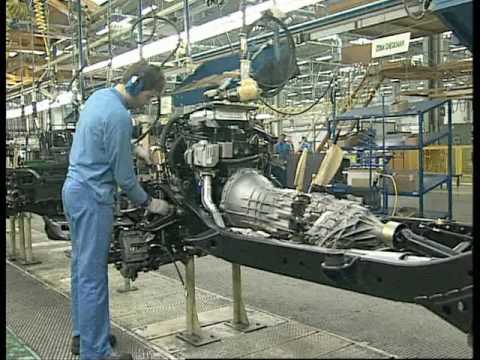
Riesgos Higienicos Generales
Understanding Environmental Risks in the Workplace
Introduction to Environmental Risks
- Human activities expose individuals to various environmental risks that can lead to illnesses or accidents, potentially resulting in death.
- In the workplace, health risks arise from environmental contaminants present in numerous job roles.
Professional Diseases and Industrial Hygiene
- Repeated exposure to these contaminants can cause professional diseases; thus, understanding and controlling ambient levels is crucial for worker health.
- Industrial hygiene studies the relationship between environmental pollutants and human health to prevent occupational diseases.
Types of Contaminants
- Common workplace contaminants include:
- Chemical: Gases, vapors, smoke, dust.
- Biological: Viruses, bacteria, fungi.
- Physical: Noise, vibrations, thermal environment, radiation.
Pathways of Contaminant Entry
Respiratory System
- The respiratory system is the primary entry point for contaminants. Pollutants enter through inhalation and can affect both respiratory and other bodily organs as they reach the bloodstream via alveoli.
Dermal Exposure
- The skin serves as a secondary pathway for contaminant entry. Substances may penetrate through intact skin or wounds.
Digestive System
- Although less common during normal work conditions, ingestion of contaminants via food or mucous membranes can occur if personal hygiene is neglected.
Monitoring Contaminant Levels
- To ensure a safe working environment free from disease risk, it’s essential to measure contaminant levels using direct instruments or air sampling methods.
- Comparing measurement results with established limits helps determine necessary preventive actions based on daily exposure time.
Preventive Actions Against Contamination
- Strategies to minimize contamination include:
- Substituting harmful substances with safer alternatives.
- Isolating processes that generate pollution.
- Implementing localized extraction systems for pollutants.
Importance of Clean Work Environment
- Maintaining cleanliness and orderliness at workstations is vital for preventing contamination.
Personal Hygiene Practices
- Workers should wash hands before eating and avoid consuming food at workstations. Changing clothes before meals may also be necessary in some cases.
Administrative Measures
- Establishing safety procedures and training workers about potential risks are critical administrative measures needed alongside technical actions.
Impact of Noise Pollution on Health
Effects of Excessive Noise Exposure
- Continuous high noise levels at work can lead to auditory trauma manifesting as progressive hearing loss which could become total deafness over time.
Measuring Noise Levels
- Daily equivalent noise level assessments consider both intensity and duration of exposure measured in decibels (dB).
Preventive Measures for Noise Control
- Higher noise levels increase the risk of auditory damage; hence preventive measures must intensify beyond 80 dB. At levels exceeding 90 dB, strict prevention protocols are mandatory.
Maintenance Strategies
Noise and Vibration Risks in the Workplace
Managing Noise in Work Environments
- To reduce noise pollution, it's essential to isolate noisy machines in soundproof cabins and separate work areas from noisy zones.
- When technical solutions to lower noise levels are not feasible, individual protection such as earmuffs or earplugs should be used. Earmuffs provide total auditory isolation, while earplugs adapt to the ear canal.
- Reducing daily exposure time to noise is as effective as lowering its intensity; halving exposure time equates to a 3-decibel reduction in noise level.
- Most noisy machines also generate vibrations that can lead to neurological, vascular disorders, and damage to bones and joints.
- Assessing vibration hazards requires knowledge of both acceleration levels and predominant frequencies; specialized personnel should handle equipment designed for this evaluation.
Mitigating Vibration Risks
- To minimize vibration risks, measures should be taken to reduce transmitted acceleration or limit exposure time. Using anti-vibration gloves and handles is recommended.
- For fixed installations, elastic isolators should be placed between the source of vibrations and the structure. Workers must be informed about machine-related risks through proper training.
Thermal Stress Hazards
Understanding Heat Risks
- Excessive heat poses significant hygienic risks; the human body continuously produces heat which it loses through environmental exchange.
- Extreme environmental conditions can lead to heat stroke due to an uncontrolled rise in body temperature when humidity and radiant energy hinder heat loss.
- Thermal stress can cause dehydration, cardiovascular issues, loss of consciousness, or even death from heat stroke.
Evaluating Thermal Stress Risk
- To assess thermal stress risk effectively, measurements of temperature, humidity, and thermal radiation must consider worker activity duration.
- Shielding is crucial against radiation; positioning workstations away from heat sources helps mitigate risks. Individual protective gear like cooling suits may also be necessary.
Radiation Exposure Management
Types of Radiation
- Radiations are electromagnetic energies characterized by frequency and wavelength with applications across various sectors including welding and nuclear medicine.
- Radiation types are categorized into ionizing (which can cause burns or cancer over time) and non-ionizing forms requiring strict precautions against leaks.
Preventative Measures Against Radiation
- Regular monitoring around potential radiation sources ensures safety by keeping exposure below permissible limits for continuous 8-hour shifts.
- Installing glass screens with metallic components prevents accidental access to hazardous areas; distancing workers from emission zones serves as an effective preventive measure.
Industrial Hygiene Objectives
Preventing Occupational Diseases
- The primary goal of industrial hygiene is preventing occupational diseases by controlling exposure to chemical, physical, or biological contaminants through thorough workplace analysis.