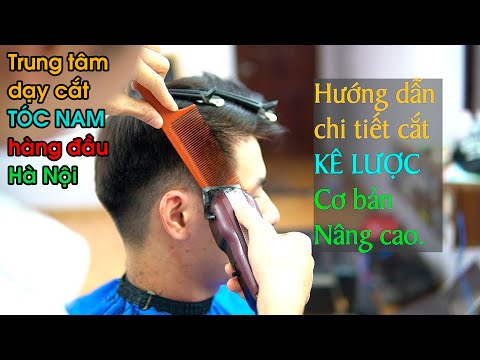
Hướng dẫn cắt kê lược cơ bản và nâng cao cho người mới/ trả lời tất cả câu hỏi về nghề cắt tóc nam
Cutting Techniques and Tips for Beginners
Introduction to Cutting Techniques
- The speaker encourages participants to engage actively, suggesting they should call out or ask questions as they proceed with the cutting demonstration.
Basic Principles of Hair Cutting
- Emphasizes the importance of understanding basic cutting techniques, using a specific example where a client sits in a chair and how that influences the cutting process.
- Discusses assessing clients' appearances to determine suitable styles, highlighting that some cuts may not be appropriate based on individual features.
Advanced Cutting Insights
- Stresses the need for precision in haircuts, explaining that certain styles require careful consideration of hair texture and growth patterns.
- Introduces advanced techniques such as layering and texturizing, which can enhance the overall look while maintaining structure.
Sharing Knowledge with New Stylists
- The speaker aims to share insights beneficial for both new and experienced stylists, ensuring everyone understands foundational concepts.
- Highlights the importance of adapting techniques based on individual stylist preferences while also considering client needs.
Practical Application of Techniques
- Advises against flat hairstyles that lack volume; instead promotes creating styles that allow for natural movement and shape.
- Encourages stylists to cut straight lines initially before adding layers or texture for more complex styles.
Common Mistakes and How to Avoid Them
- Warns about common pitfalls when cutting hair too short or unevenly; emphasizes maintaining control during the process.
- Discusses anxiety among new stylists when handling scissors near clients’ heads; suggests practicing calmness and focus during cuts.
Final Thoughts on Precision in Hair Cutting
- Concludes by reiterating the significance of establishing clear guidelines when cutting hair, ensuring each stylist develops their unique style while adhering to fundamental principles.
Hair Cutting Techniques and Tips
Understanding Hair Density and Cutting Techniques
- The speaker discusses the importance of hair density, noting that a thickness of 1.5 to 1.9 can be too dense for effective cutting.
- They suggest opening up the hair to reduce bulkiness, which helps in maintaining cleanliness during the cutting process.
- A warning is given about potential discomfort when cutting certain areas, emphasizing careful handling.
- The speaker mentions techniques for managing hair flow while cutting, indicating a need for precision in movement.
- Importance is placed on using the right tools and preparation to ensure successful results; viewers are encouraged to subscribe for more tips.
Preparing for a Successful Cut
- Viewers are reminded that subscribing will provide them with timely updates on new videos and techniques shared by the speaker.
- The speaker reassures that learning these techniques is straightforward and encourages practice.
- They highlight variations in hair thickness across different sections, suggesting tailored approaches based on specific needs during cuts.
- New stylists may struggle with initial cuts due to lack of experience; proper technique is crucial for achieving desired outcomes.
- The importance of visual assessment through mirrors is discussed as essential before finalizing any cut.
Achieving Precision in Haircuts
- The speaker reflects on their own progress, noting improvements in achieving straight lines during cuts over time.
- Emphasis is placed on practicing consistently to develop skills necessary for precise styling; encouragement is given to fellow stylists.
- Attention is drawn to angles when cutting fashionable hairstyles; understanding these angles can significantly impact the final look.
- Proper alignment ensures that clients leave satisfied without visible flaws or unevenness in their hairstyle after styling sessions.
Advanced Cutting Techniques
- Discussion includes how to manage thicker sections of hair while ensuring evenness throughout the cut; adjustments may be needed based on individual client characteristics.
- Specific strategies are suggested for dealing with challenging areas like cowlicks or uneven growth patterns during cuts.
- Techniques are introduced for layering styles effectively while minimizing messiness around the workspace during cutting processes.
Final Touches and Client Satisfaction
- The speaker explains how combining color treatments with haircutting can enhance overall appearance and texture of hairstyles.
- Questions from viewers regarding blending techniques into existing styles are addressed, providing clarity on achieving seamless transitions between lengths.
- Two primary methods are outlined: one involves layering upwards while another focuses on texturizing ends without compromising volume.
Hair Styling Techniques and Tips
Introduction to Hair Styling
- The session begins with a focus on hair styling, specifically discussing the technique of cutting and shaping hair.
- The presenter encourages viewers to stay engaged with the channel for more tips and techniques.
Cutting Techniques
- A specific cutting method is introduced where the stylist can cut thick sections of hair while maintaining control over the shape.
- Emphasis is placed on ensuring that the top layer of hair remains untouched while working on lower layers to achieve a blended look.
Blending and Layering
- The importance of blending different sections of hair is highlighted, suggesting that it should be done gradually for a natural appearance.
- Viewers are reminded to keep an eye on how layers fall into place as they work through their styling process.
Maintaining Control During Styling
- The presenter advises taking breaks during styling to assess progress and make necessary adjustments.
- It’s suggested that stylists should not rush but rather take their time to ensure quality results.
Psychological Aspects of Hair Cutting
- A discussion about managing nerves during cutting sessions is presented, encouraging stylists to remain calm and focused.
- Engaging with clients can help alleviate anxiety; making small talk can distract from nervousness while cutting.
Client Interaction Tips
- Stylists are encouraged to maintain eye contact with clients instead of focusing solely on mirrors, which may create tension.
- A humorous comparison is made between client features and public figures (e.g., Obama), creating rapport through light-hearted conversation.
Advanced Techniques in Cutting
- The presenter discusses advanced techniques for achieving desired styles, emphasizing consistency in approach as crucial for success.
- Attention is drawn towards handling excess hair effectively by sharing tips on managing 'thick' areas without compromising style integrity.
Final Touches and Adjustments
- As the session progresses, there’s a focus on refining cuts by checking angles in different lighting conditions for accuracy.
- Proper lighting is emphasized as essential for assessing final looks before concluding any haircutting session.
This structured summary encapsulates key insights from the transcript regarding effective hair styling techniques while providing timestamps for easy reference.
Techniques for Hair Styling and Cutting
Initial Observations and Setup
- The speaker discusses the importance of observing light reflections on hair to assess its texture and shape, indicating that certain areas may appear fuller or flatter.
- Acknowledges a transitional phase in styling, suggesting patience as they wait for the hair to settle into place.
- Checks equipment functionality, ensuring the camera is recording properly for instructional purposes.
Sharing Insights with Others
- Emphasizes the importance of sharing knowledge with peers in hairstyling techniques.
- Mentions that achieving a standard look can be accomplished quickly with practice.
- Confirms completion of initial styling steps, preparing to move forward with more detailed work.
Detailing Techniques and Adjustments
- Introduces specific adjustments needed for achieving desired volume and shape in hairstyles, noting that some areas may require additional attention.
- Discusses minor corrections needed to ensure evenness across the hairstyle while maintaining natural flow.
Advanced Styling Techniques
- Instructs on how to position hair correctly during cutting to achieve optimal results.
- Describes how certain styles can create dramatic effects when executed properly, emphasizing technique over speed.
Finalizing Styles and Client Interaction
- Prepares clients for final touches by checking their satisfaction with the current style before proceeding further.
- Explains why certain styles may not hold up well due to underlying factors like hair density or previous treatments.
Encouragement and Learning from Experience
- Encourages others to ask questions about techniques shared during the session, fostering an environment of learning.
- Shares personal experiences and tips learned over time that can help others improve their skills in hairstyling.
Addressing Common Issues in Hair Cutting
- Discusses common mistakes made during cutting, particularly regarding length management which affects overall style integrity.
Refining Techniques Based on Hair Type
- Highlights the significance of understanding different hair densities when making cuts; suggests adjustments based on individual client needs.
Practical Application of Skills Learned
- Advises on using appropriate tools for specific tasks within hairstyling; emphasizes precision in execution.
Importance of Moisture in Styling Process
- Concludes by explaining how moisture aids in managing hair texture during styling processes, enhancing control over styling outcomes.
How to Properly Handle Hair Cutting Techniques
Preparing the Hair for Cutting
- To achieve a clean cut, it's essential to let the hair dry before processing. This ensures better handling and precision during cutting.
- If the hair is already dry, applying water can help in achieving a more accurate cut. It's important to be cautious while cutting to avoid injuries.
Safety Precautions During Cutting
- Newcomers may accidentally cut themselves; if this happens, it’s crucial to seek assistance from someone experienced.
- Always have first aid supplies like band-aids ready when cutting hair, as minor accidents can occur frequently.
Finalizing the Haircut
- The ideal length for a haircut is around 6 to 7 centimeters. After achieving this length, ensure that all adjustments are made for an even finish.
- When styling, consider how the haircut complements the individual's face shape. Adjustments should be made accordingly for aesthetic appeal.
Overall Presentation
- A well-executed haircut not only enhances appearance but also boosts confidence. Aim for a look that is both stylish and suitable for the individual’s features.