Vida Cotidiana en Grecia clase 10 Los oficios en Atenas
Athenian Society and Agriculture
The Role of Craftsmen and Farmers in Ancient Athens
- In ancient Athens, there was a clear distinction between warriors and craftsmen, with the latter often viewed as having a lifestyle unsuitable for political ideals.
- The only dignified form of manual labor was considered to be agriculture, where farmers were admired for their self-sufficiency in providing for their families.
- By the time of Pericles, Athenians had shifted from home production to obtaining daily necessities from workshops, leading to a certain disdain for artisans among citizens.
- Despite most citizens being engaged in agriculture, the soil's poverty meant that much of the wheat consumed was imported from regions like Egypt.
- The Athenian population included various types of farmers: those who worked their own land, those who hired overseers (often slaves), and those who rented out their land.
Agricultural Practices and Crop Production
- Traditional farming processes such as sowing and harvesting were previously discussed; now focus shifts to threshing techniques used for wheat.
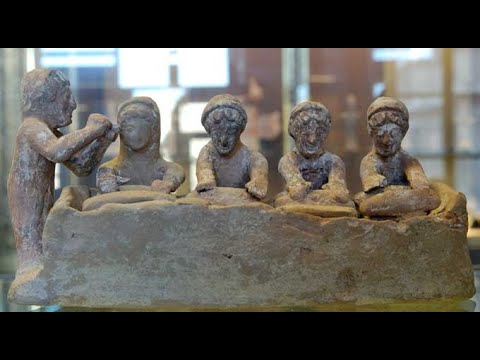
- Threshing involved spreading bundles of wheat on tiled floors where animals would trample them to separate grain from chaff; this task was typically performed by women.
- Olive harvesting was significant; it required manual labor where branches were struck with wooden rods to drop olives onto the ground for collection.
- Other important crops included nuts (walnuts, hazelnuts), which were also harvested during this period alongside honey produced by bees kept in simple wicker hives.
- Legumes were seen as luxury items imported mainly from Boeotia while local produce included cabbages, peas, onions, and garlic.
Wine Production and Livestock Management
- Grape harvesting was an essential part of agricultural life; grapes were cut using small knives or scissors before being transported in large wicker baskets.
- The winemaking process involved pressing grapes with feet while holding onto a bar for balance; fermentation practices would be elaborated upon later regarding food consumption.
- Livestock farming faced challenges due to poor arable land; thus, raising donkeys and mules became more common than cattle or horses. Sheep were particularly valued for milk, meat, and wool.
- Farming demanded long hours which often led to weight loss among farmers; periods of rest occurred during winter after field preparations or autumn post-harvest.
Agricultural Life and Urban Transition
The Shift from Agricultural to Urban Living
- La vida agrícola era considerada la más deseada y cómoda, con campesinos que solo se desplazaban a la polis para asuntos económicos, políticos o religiosos.
- Con el peligro de guerra, los campos fueron abandonados y las viviendas lujosas comenzaron a aparecer en la ciudad, marcando un cambio en la percepción de la vida citadina frente a la rural.
- El campesino que permanecía en su terruño se convirtió en un "rústico", caracterizado por su indumentaria y apariencia descuidada, simbolizando lo salvaje y no civilizado.
Industrial Growth in the Age of Pericles
- Durante el ciclo de Pericles, la industria creció; los ciudadanos urbanos dependían de oficios para su sustento diario mientras algunos aún realizaban labores en el hogar.
- Los artesanos se agrupaban cerca de sus fuentes de materias primas; sin embargo, solo algunas industrias extractivas mantenían una fuerte presencia artesanal debido a la falta de regulación estatal.
Labor Dynamics and Workshop Conditions
- En Ática había concentración industrial pero no fábricas; talleres exitosos podían emplear hasta 100 esclavos, aunque muchos eran pequeños negocios familiares.
- Las condiciones laborales eran precarias; muchos talleres estaban ubicados en casas o cobertizos improvisados que afectaban negativamente la salud de los trabajadores.
Specialization and Apprenticeship in Crafts
- La especialización ya existía en Atenas; diferentes artesanos colaboraban en el proceso productivo. El trabajo era heredado y también había aprendices bajo contrato.
- Los maestros organizaban concursos para seleccionar aprendices entre un número elevado de interesados, reflejando una estructura competitiva dentro del oficio.
Daily Life and Economic Realities of Workers
- La jornada laboral comenzaba al amanecer y terminaba al anochecer; los pobres trabajaban hasta tarde con lámparas si era necesario.
- El salario promedio era de un dracma al día, apenas suficiente para una vida decorosa. Algunos obreros especializados recibían pago por horas, aunque esto no era común.
Craftsmanship: Pottery as a Key Industry
- Los alfareros eran numerosos; utilizaban arcilla no solo para jarras sino también para otros objetos como toneles y lámparas.
- La técnica del alfarero incluía modelar objetos sobre un torno vertical y secarlos al sol antes de cocerlos en hornos específicos.
Artistic Expression in Pottery
- Muchos alfareros alcanzaron renombre por sus obras decorativas; firmaban sus piezas como muestra de orgullo profesional.
Artisan Techniques in Ancient Greece
Pottery and Painting Techniques
- The evolution of pottery techniques in ancient Greece included the use of red clay backgrounds, transitioning from black figures to red figures around the 5th and 4th centuries BC.
- A notable technique was the application of a durable black varnish made from iron oxide, which provided a shiny finish to pottery.
- Metalworkers utilized similar tools as potters, including anvils and hammers, focusing on specialized crafts like sculpture or armor-making.
Specializations Among Craftsmen
- Craftsmen often specialized in specific areas; for example, some metalworkers focused solely on creating shields or daggers.
- Leather workers prepared skins for sandals, with cobblers typically being less affluent than their counterparts in other trades.
Textile Production
- Weaving was predominantly performed by women at home or in workshops. Wool was processed using various tools to create threads.
- Dyers prepared fabrics before dyeing them to ensure color durability during washing, commonly using potash.
Fishing and Mining Practices
- Fishing was likely a common occupation along Greece's extensive coastlines, though details about fishing practices remain scarce.
- Mining became significant by the 4th century BC with coin minting; miners often worked under harsh conditions with basic tools.
Labor Conditions and Tools
The Impact of Greed on Mining Practices
Mining Conditions and Labor
- The greed of some concessionaires led to the dismantling of life insurance for workers, highlighting the dangerous conditions in mining.
- Workers, including women and children, transported minerals using weak wooden ladders, emphasizing the perilous nature of their labor.
- Mining became a significant activity early on but primarily benefited marginalized groups seeking profit from selling excess harvest.
Trade Dynamics in Ancient Cities
- Most exchanges occurred in cities and ports where merchants competed with producers who brought goods directly to market.
- Farmers traveled to city agoras with their produce or livestock, indicating a vibrant local economy reliant on direct sales.
- Poor road conditions made land transport challenging; thus, religious processions were preferred over maritime routes fraught with dangers like piracy.
Market Activities and Merchant Interactions
- In agoras, various vendors showcased their products—textiles, pottery, fish—creating a bustling marketplace atmosphere.
- Merchants offered samples to entice customers while competing fiercely for attention amidst a diverse array of goods available for sale.
Reputation and Social Status of Vendors
- Food vendors (kebabs or kpels), initially respected, faced reputational decline due to dishonest practices regarding weights and measures.
- Women traders often faced additional stigma due to societal norms that deemed them less reputable than male counterparts.
Regulation and Control in Trade
- Small-scale traders operated near temples or city gates without permits; they sold second-hand goods or low-quality items.
- Maritime trade was regulated by laws aimed at preventing hoarding among wholesalers like millers and bakers; violations resulted in heavy fines.
Shipping Practices and Economic Implications
- Merchant ships were designed for efficiency but required skilled crews; larger vessels could carry substantial cargo despite limited manpower.
- Ships were equipped with weapons for defense against potential threats during voyages; crew members often doubled as sailors when needed.
Centralized Commerce in Athens
- Piraeus served as Athens' main commercial hub where customs duties were levied on imported goods—a crucial revenue source for the state.
The Dynamics of Maritime Trade and Banking
Roles in Maritime Commerce
- The core participants in maritime trade included ship owners (navegantes), who managed navigation and received freight for transporting goods, while also selling the cargo at its destination.
- A third key player was the banker, who provided financial resources for purchasing cargo. These bankers often dealt with modest citizens or foreigners needing loans to invest in trade ventures.
Financial Risks and Arrangements
- Many traders financed their journeys by borrowing money, leading to high-interest debts owed to bankers. This created a system where ships were often mortgaged against potential losses.
- In cases of shipwreck, creditors would lose their rights, freeing debtors from obligations. This led to fraudulent practices like intentional sinkings, raising concerns about trustworthiness among foreign traders.
Evolution of Banking Practices
- Historically, many bankers were former slaves acting as currency exchangers rather than modern banking institutions. By the late 5th century in Athens, they began accepting deposits and issuing loans beyond mere currency exchange.
- Bankers could earn significant profits (20% - 40%) on investments but faced substantial risks. Successful bankers combined orderliness with cunning strategies to amass wealth despite societal disdain from aristocrats.
Social Implications of Banking