1- ¿Qué son los sockets y para que nos pueden servir?
Understanding Socket Communication
Introduction to Client-Server Architecture
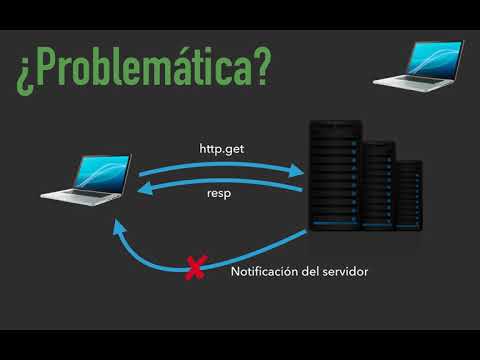
- The discussion begins with an overview of client-server architecture, where a server hosts applications and clients (which can be multiple machines) request information via HTTP GET requests.
Information Retrieval Process
- Clients send requests to the server for specific data, such as user information or chat messages. The server responds with either the requested data or an error message.
Limitations of Traditional HTTP Requests
- A key limitation is that servers cannot proactively inform clients about updates; clients must continuously make requests to check for new information.
Need for Real-Time Communication
- In scenarios like private messaging on platforms such as Facebook or Twitter, both sender and receiver need real-time communication without constant polling of the server.
Introduction to Sockets
- Sockets enable active communication between client and server, allowing servers to push notifications directly to clients when new information is available.
Benefits of Using Sockets
- With sockets, clients receive real-time notifications about events such as new messages or user connections/disconnections without needing constant HTTP GET requests.
Handling User Connections and Disconnections
- Sockets allow systems to notify users when someone connects or disconnects from a chat session, enhancing user experience by providing immediate feedback.
Session Persistence During Connectivity Issues
- Users can reconnect after internet disruptions while maintaining their previous session state. Other users are notified when someone reconnects.
Custom Events with Sockets
- One significant advantage of sockets is the ability to trigger custom events based on application needs, allowing for tailored interactions within applications.