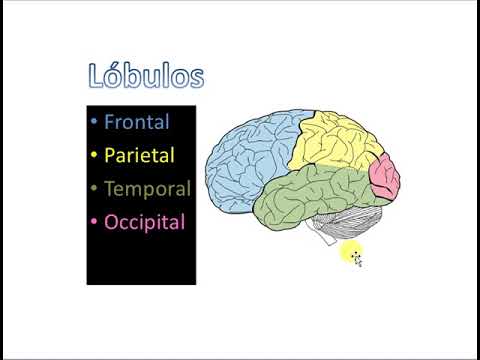
Teórico fundamentos: lóbulos del cerebro
Understanding the Brain: An Overview
Introduction to the Brain
- The video aims to explore the brain, emphasizing its importance and complexity as part of the central nervous system.
- The brain enables consciousness and interaction with our environment through sensory processing and interpretation.
Structure and Functionality
- Composed of over 100 billion neurons, the brain's outer layer, known as the cortex, is crucial for various functions due to its gray matter structure.
- The brain weighs about 2% of a person's body weight but consumes approximately 20% of total blood oxygen, highlighting its metabolic demands.
Nutritional Impact on Brain Health
- Malnutrition can lead to learning disorders in impoverished areas, indicating that proper nutrition is vital for cognitive development.
- Historical studies have shown that ancient civilizations recognized the significance of brain health through archaeological findings.
Evolutionary Insights
- Research has traced significant developments in understanding brain function back to pre-WWII medical sciences.
- Notable cases like Phineas Gage illustrate how injuries can alter personality and behavior, linking specific brain regions to emotional regulation.
Genetic Comparisons and Cognitive Abilities
- Humans share about 97% of their genes with gorillas; however, differences in neocortex development contribute significantly to human cognitive abilities.
- The evolution of complex behaviors such as communication and social structures is tied closely to advancements in brain anatomy.
Neural Interactions and Learning Processes
- Current studies focus on neural circuits' interactions within the brain that facilitate knowledge acquisition beyond mere synapse formation.
- The distinction between 'brain' (anatomical structure) and 'mind' (functional aspect), likening the brain's operation to a computer's circuitry.
Hemispheric Dominance
- Discussions around left vs. right hemisphere dominance highlight how motor skills are affected by which side of the body is controlled by each hemisphere.
Understanding Brain Hemispheres and Gender Differences in Cognitive Processing
The Role of Brain Hemispheres
- The brain's corpus callosum connects the two hemispheres, allowing communication. Each hemisphere has distinct functions, with dominance observed in certain tasks.
- Damage to the right hemisphere can lead to motor impairments on the left side of the body, highlighting the specialized roles of each hemisphere in motor control.
Distinct Characteristics of Hemispheres
- The left hemisphere is often associated with logical reasoning and problem-solving, while the right hemisphere is more engaged during creative activities like music interpretation and artistic creation.
- Anatomical differences exist between male and female brains; however, these do not imply superiority but rather different processing styles.
Gender Differences in Cognitive Styles
- Men tend to approach problems linearly, seeking quick solutions without extensive analysis. In contrast, women often take a more detailed approach to problem-solving.
- Women have heightened sensitivity to color variations compared to men, indicating different perceptual abilities that influence how they interact with their environment.
Spatial Awareness and Organization
- Men generally exhibit better spatial organization skills than women; however, women may struggle with organizing physical spaces effectively.
- Men require less space for storage but may forget where items are placed. Women might need more space but can be more meticulous about organization.
Practical Implications of Cognitive Differences
- An example illustrates that men typically complete shopping tasks quickly but may overlook additional options or details compared to women who explore thoroughly before making decisions.
- This difference highlights how cognitive processes affect everyday tasks; men focus on efficiency while women consider broader contexts during decision-making.
Neurotransmitters and Reward Systems
- The brain remains active even when not consciously engaged. Neurons utilize specific genetic information for their functions and respond differently to stimuli.
- Dopamine plays a crucial role in reward systems within the brain. Positive reinforcement through dopamine release influences behavior and learning outcomes.
Understanding Brain Structure and Function
The Role of Substances on Brain Function
- Discussion on how the brain compensates for various stimuli, including the use of legal and illegal substances.
- Examination of spinal cord structure and its relation to neuronal responses, highlighting different types of neurons involved in complex functions.
Connectivity and Neuronal Organization
- Emphasis on the importance of white matter connectivity in the brain, with a comparison to physical dimensions (140,000 kilometers).
- Description of how neuron bodies cluster to perform diverse functions within the brain's architecture.
Surface Area and Cognitive Processing
- Explanation of why the brain has a folded structure; increased surface area allows for more neuronal connections.
- Insights into studies showing that while brain weight may not correlate with complexity, surface area does enhance cognitive processing capabilities.
Developmental Changes in Brain Structure
- Overview of how brain structures evolve through stimulation during growth phases, leading to changes in plasticity.
- Introduction to spinal cord anatomy as a conductor for sensory information ascending to the brain and motor commands descending from it.
Neuronal Migration and Disorders
- Analysis of how structural changes in the spinal cord affect its function as an organ conducting signals.
- Discussion on potential causes for improper neuronal migration during embryonic development, linking it to various disorders affecting reasoning and emotional control.
Communication Networks within the Brain
- Presentation of anatomical images illustrating functional networks within the brain, emphasizing their significance in communication systems.
- Clarification that understanding these networks is crucial for grasping both anatomical structure and mental functions associated with them.
Evolutionary Perspective on Brain Development
- Exploration of human evolutionary history concerning brain development from reptiles to mammals, culminating in modern human cognition.
Understanding Brain Functions and Structures
The Role of the Reptilian Brain
- The reptilian brain is responsible for basic survival functions such as breathing, heart rate regulation, and essential bodily functions like sweating and fluid balance.
- It plays a crucial role in motor control, facial sensitivity, eye movement, and olfactory senses through cranial nerve nuclei.
- Reflexes related to survival instincts (e.g., fight or flight responses) are governed by this part of the brain, highlighting its connection to life-and-death situations.
Transition to Mammalian Functions
- As mammals evolved, emotional connections became significant; physical contact and nurturing behaviors were linked to instinctual responses from the mammalian brain.
- This section also regulates temperature and sexual functions, showcasing a shift from purely survival instincts to more complex emotional interactions.
Neocortex Development
- The neocortex represents the most advanced part of the brain responsible for higher-order functions that distinguish humans from other species.
- Anatomically, it includes structures like the cerebellum and various internal components critical for communication between hemispheres.
Internal Brain Structures
- Key internal structures include the thalamus and hypothalamus which regulate neurohormonal activities affecting various organs such as thyroid glands and reproductive systems.
- Hormonal regulation is vital for processes like growth cycles and lactation; these functions illustrate how deeply interconnected our physiological systems are with brain activity.
Hemispheric Specialization
- Each hemisphere has distinct roles: the right side is associated with holistic processing while the left focuses on analytical thinking.
- Visual processing occurs in the occipital lobe where sensory information is interpreted; this area connects with cranial nerves that manage facial sensations.
Structural Overview of Brain Lobes
- The lobes of the brain are divided by significant fissures: Rolando (central sulcus), which separates frontal from parietal lobes, and Silvio (lateral sulcus), which divides temporal from frontal lobes.
Understanding the Brain's Lobes and Functions
Overview of Brain Lobes
- The discussion begins with an emphasis on studying the four lobes of the brain, highlighting their positions and protective bones such as the occipital bone at the back and frontal bone at the front.
- The parietal lobe is located above the temporal bone, which is situated higher than the ear. This anatomical positioning aids in understanding brain functions.
- Each lobe (frontal, parietal, temporal, occipital) has distinct functions that will be explored further in relation to their roles.
Visual Representation of Brain Structures
- Visual aids are used to differentiate between various brain regions, including significant fissures like Rolando's fissure.
- Additional structures such as the thalamus and hypothalamus are introduced, emphasizing their importance in connecting different parts of the brain.
Hypothalamus and Its Functions
- The hypothalamus plays a crucial role in regulating body temperature and nutritional sensations like satiety and appetite.
- It also influences emotional changes through hormonal regulation, particularly during menstrual cycles.
Neurohormonal Responses
- An example involving pigeons illustrates how neurohormonal reactions can affect reproductive behaviors based on environmental cues.
- The presence or absence of competition influences reproductive outcomes in birds, showcasing survival strategies linked to hormonal responses.
Menstrual Cycle Influences
- Emotional states can fluctuate around menstrual cycles; stress or significant events may lead to delays or advancements in menstruation.
- A study on Olympic swimmers indicates synchronized menstrual cycles due to shared training environments affecting hormonal regulation.
Hormonal Regulation and Health Implications
- Understanding hormonal balance is essential for recognizing potential health issues; disruptions can lead to conditions like eating disorders linked to hypothalamic dysfunction.
- Thyroid hormones play a vital role in metabolism; imbalances can result in fatigue or weight fluctuations impacting cognitive function.
Effects of Thyroid Dysfunction
- Hypothyroidism leads to symptoms such as lethargy and concentration difficulties due to inadequate metabolic function.
- Conversely, hyperthyroidism results in increased activity levels but may cause confusion or anxiety if prolonged.
Hormonal Regulation and Brain Function
Hormones and Growth
- The hormone corticotropin plays a crucial role in growth regulation; deficiencies can lead to dwarfism. A case in Spain illustrates how hormonal supplements can help achieve appropriate height.
Internal Regulation by Hormones
- Corticotropin regulates adrenal glands, impacting bodily fluids. Prolactin is activated during lactation, while oxytocin induces uterine contractions during childbirth.
Emotional Processing in the Limbic System
- The amygdala, part of the limbic system, is vital for emotional regulation and memory filtering. It influences what information is retained based on its emotional significance.
Cerebral Blood Flow and Oxygen Demand
- The brain requires significant oxygen and nutrients due to its high metabolic activity. Any damage to arteries can lead to cell death in affected areas, resulting in conditions like stroke.
Consequences of Vascular Damage
- Strokes can be ischemic (blocked blood flow) or hemorrhagic (bleeding), both causing potential brain damage. Recovery varies; some may regain function while others face lasting impairments.
Importance of Cerebrospinal Fluid Circulation
- Proper circulation of cerebrospinal fluid is essential for cushioning the brain and preventing conditions like hydrocephalus, which can cause severe neurological damage if untreated.
Brain Lobes and Functional Areas
Understanding Brain Functionality and Structure
Division of Brain Areas
- The brain is divided into various regions, including the superior and inferior parts, which correspond to different functionalities.
- Each area of the brain has specific functions associated with it; understanding these areas is crucial for grasping how they interact in overall brain activity.
Motor Functions and Coordination
- The primary motor cortex is responsible for voluntary movement, coordinating actions such as reaching or moving limbs.
- Damage to the primary motor area can lead to paralysis, highlighting its critical role in motor function.
Language Production
- Broca's area, located in the frontal lobe, is essential for language production and articulation of speech.
- This region also controls movements related to breathing and mouth coordination necessary for speaking.
Planning and Personality
- The frontal lobe plays a significant role in planning and organizing actions, influencing decision-making processes.
- Impulsivity or apathy can be linked to dysfunction within the frontal lobe, affecting basic needs control and personality traits.
Sensory Processing in the Parietal Lobe
- The parietal lobe integrates sensory information from various body parts, providing a comprehensive map of bodily sensations.
- It represents all body sensations spatially; areas like the mouth are more sensitive due to their importance in exploring the environment.
Body Awareness and Spatial Judgment
- Sensitivity varies across body parts; hands and facial areas have heightened sensitivity crucial for interaction with surroundings.
- Early childhood development includes recognizing left from right, which is vital for spatial awareness and physical coordination.
Understanding the Brain's Visual and Auditory Functions
The Occipital Lobe and Vision
- The occipital lobe is primarily responsible for visual processing, encompassing both primary and secondary visual functions. It plays a crucial role in interpreting conscious visual reception.
- Neurons located in the retina send nerve impulses through the optic nerve to the brain, specifically targeting the occipital lobe for visual interpretation.
- Any damage to this area or related pathways can lead to partial or total blindness.
The Temporal Lobe and Auditory Processing
- The temporal lobe has multiple important functions, particularly related to hearing. It includes Wernicke's area, which is associated with language comprehension.
- This region allows individuals to differentiate sounds, such as distinguishing between a bell and a gunshot, highlighting its role in auditory interpretation.
Emotional Processing and Memory
- Within the temporal lobe lies an area called the insula that contributes to sensory experiences like balance and vertigo.
- The temporal lobe also interacts with the amygdala and limbic system, playing a significant role in emotional responses and memory classification (short-term vs long-term).
Panic Attacks and Amygdala Function
- The amygdala is critical for survival instincts; studies show that removing it from mice eliminates their fear response when encountering predators.
- Panic attacks are linked to involuntary activation of the amygdala, causing intense feelings of fear without any real danger present.
Language Comprehension Challenges
- Damage to Wernicke's area affects language understanding; individuals may hear but not comprehend spoken words if this area is compromised.
- Children with disrupted connections between Wernicke’s area and Broca’s area may understand commands but struggle with verbal responses.
Learning Disabilities Related to Brain Areas
- Specific learning disabilities such as difficulties in reading or math can arise from impairments in certain brain areas involved in these skills.
Understanding Brain Functionality
The Role of the Reptilian Brain
- Discussion on the anatomical functioning of the brain, particularly focusing on the reptilian brain and its influence on basic physiological functions such as respiration and blood pressure.
Cerebellum Functions
- Examination of mental processes related to coordination and reflexes, emphasizing the cerebellum's role in balance and motor skills development.
- Examples provided include activities like riding a bicycle and juggling, which require fine motor coordination managed by the cerebellum.
Frontal Lobe Contributions
- Overview of frontal lobe functions including reasoning, personality, memory, and emotional regulation. It highlights how these aspects are interconnected with other brain regions.
Limbic System Interactions
- Explanation of how the limbic system interacts with other parts of the brain to process emotions such as pleasure and satisfaction, linking it to behavioral responses.
Sleep Regulation Mechanisms
- Introduction to the reticular system's role in sleep organization; emphasizes that inadequate sleep can lead to cognitive failures and hinder neural connectivity.
- Importance of REM sleep for recovery; discusses how lack of proper sleep duration affects both conscious awareness and motor function.
Sleep Disorders: Understanding Sleep Paralysis
Experiences During Sleep Paralysis
- Description of sensations experienced during sleep paralysis when waking up; includes feelings of immobility while being aware of surroundings.
Interpretation Challenges
- Insights into how the mind attempts to interpret experiences during paralysis; highlights confusion between conscious thought processes and unconscious states.
Exploring Brain Imaging Techniques
Advances in Neuroimaging
- Discussion on modern neuroimaging techniques that allow for non-invasive observation of brain structures compared to historical methods involving dissection.
Visualizing Brain Structures
- Explanation about MRI scans providing detailed images that reveal fissures between hemispheres, aiding in understanding functional areas within the brain.
Functional Mapping
Understanding Brain Structures and Functions
Overview of Brain Anatomy
- Discussion on the significance of understanding psychomotor severity in children, highlighting the use of computed imaging to assess anatomical structures.
- Introduction to key brain bones such as the frontal and occipital bones, emphasizing their external visibility and relation to cerebrospinal fluid (CSF).
- Examination of lower brain structures including basal nuclei and thalamus, indicating their importance in overall brain function.
Cerebral Functionality
- Description of white matter fibers connecting different parts of the nervous system, contrasting with the darker gray matter representing cortical areas.
- Transition into deeper brain structures leading towards the medulla, noting significant features like cerebellum differentiation.
Advanced Imaging Techniques
- Explanation of functional nuclear resonance imaging that allows observation not just of anatomical structure but also active brain functions during specific tasks.
- Importance of observing functional aspects in diagnosing conditions like dementia; highlights how modern imaging can reveal both structural and functional changes in the brain.
Atrophy and Functional Implications
- Discussion on cerebral atrophy where loss of mass leads to increased CSF presence; emphasizes implications for cognitive health.
- Introduction to positron emission tomography (PET), which uses glucose markers to visualize active regions during cognitive tasks.
Cognitive Activation Patterns
- Insights into how different areas consume oxygen and glucose when engaged in activities like reading, showcasing real-time functionality through color-coded imaging.
- Observations on cerebral temperature variations related to mass loss; discusses implications for cellular function within affected areas.
Emotionality and Coordination
- Analysis of emotional responses linked with specific brain regions; mentions case studies illustrating these patterns in individuals with neurological impairments.
- Exploration of motor coordination between mother and infant, detailing activation patterns within relevant brain zones during interaction.
Neurological Insights on Language and Surgery
Overview of a Case Study
- A 14-year-old patient with seizures was examined, revealing a critical lesion in the left cerebral hemisphere.
- The study focused on the location of the motor cortex prior to surgery, emphasizing that many epilepsy cases do not respond to medication, necessitating surgical intervention to prevent worsening conditions.
Surgical Considerations
- Surgeons must carefully study motor-related areas to avoid damaging them during interventions; this is crucial for preserving function.
- The Broca's area, located in the frontal lobe, is essential for speech generation. Activation patterns were analyzed to ensure safety during potential surgeries.
Language Processing Mechanisms
- Visual stimuli can activate Broca's area when patients are asked to verbalize what they see; this highlights the connection between visual input and language production.
- Patients listened to pre-recorded emotional stories while monitoring brain activity near Wernicke’s area, demonstrating how both hemispheres engage in language processing.
Implications for Pediatric Care
- Reading stories aloud can help assess language comprehension in children; understanding their cognitive responses is vital for diagnosis.
- Tumor locations must be mapped accurately before surgery to avoid disrupting active language areas, showcasing the importance of pre-surgical planning.
Conclusion and Future Directions
- While attendees may not perform these studies directly, knowledge gained will aid collaboration with pediatric neurologists and audiologists in clinical settings.