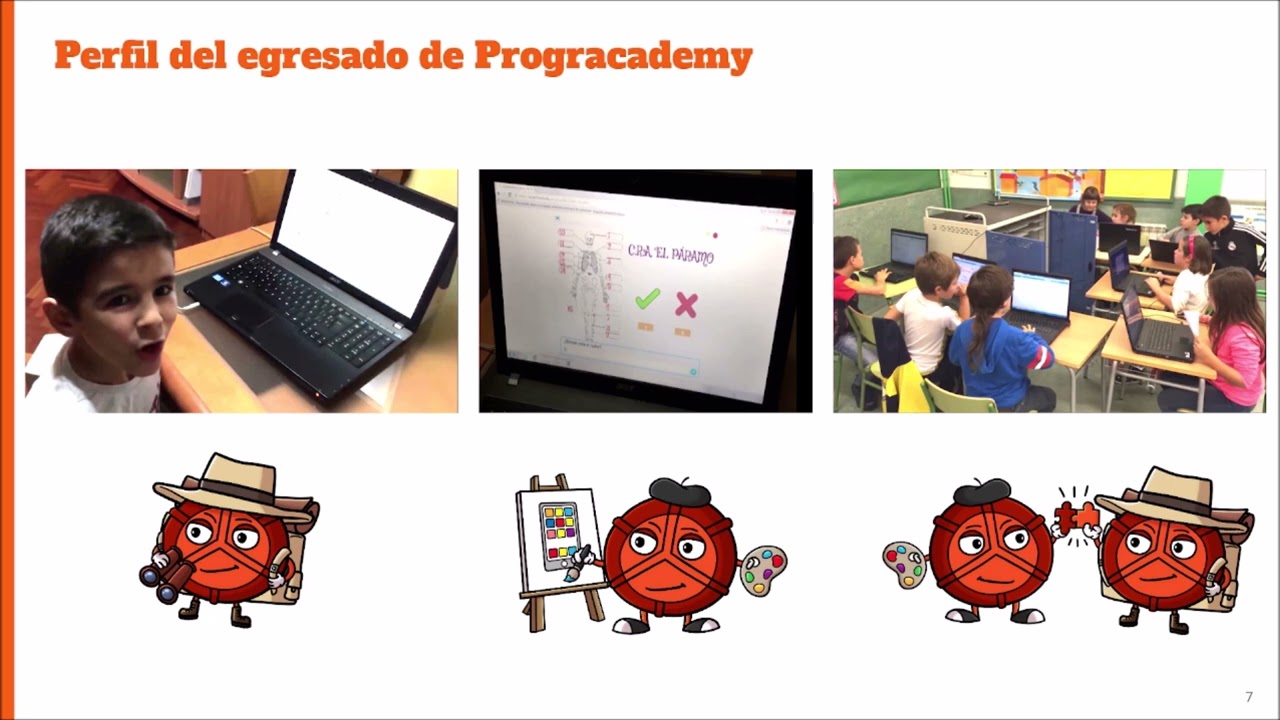
2.5- Perfil del Egresado
Welcome and Introduction to Graduate Profile Attributes
In this section, the video introduces the focus on the characteristics, habits, and competencies of a graduate profile.
Characteristics of a Graduate Profile
- The program aims to develop 24 instrumental competencies that generate 6 habits and, in turn, cultivate three identities or attributes of the graduate profile.
- Competencies involve understanding what needs to be done, comprehending the task at hand, and possessing the ability to execute it.
- Identities play a crucial role in determining behavior; individuals align their actions with identities they resonate with.
Attributes of a Graduate Profile
- Progress Academy focuses on developing identities in students known as attributes of the graduate profile.
- Students are encouraged to embody traits like being health-conscious or lifelong learners for success.
- The graduate profile includes being a lifelong learner, collaborative leader, and computational creator.
Roles of Lifelong Learner, Collaborative Leader, and Computational Creator
This part delves into the roles of a lifelong learner, collaborative leader, and computational creator within the graduate profile.
Lifelong Learner
- A lifelong learner embraces challenges with passion due to deliberate practice habits and growth mindset.
- They view learning as an adventurous journey fostering autonomy in facing challenges.
Collaborative Leader
- Collaborative leaders excel by learning through teamwork while leading their own learning process alongside peers.
- Collaboration enhances learning outcomes significantly and instills satisfaction from contributing positively.
Computational Creator
- Computational creators leverage computational thinking for problem-solving using technology creatively.
- They engage in creating animations, video games, and websites showcasing their digital portfolios.
Antonio's Exemplary Traits
Antonio exemplifies traits aligned with the graduate profile attributes discussed earlier.
Antonio's Identity Alignment
- Antonio embodies being a lifelong learner by seeking continuous learning opportunities beyond formal settings.
Detailed Analysis of Habits for Success
In this section, the speaker delves into the habits that contribute to success, particularly focusing on the growth mindset and its importance in various aspects of life.
Developing a Growth Mindset
- The growth mindset is crucial for success as it involves three key competencies: embracing errors positively, engaging in challenging tasks with curiosity and feedback, and persisting through effort.
- Scientific research emphasizes the significance of the growth mindset not only in academic endeavors but also in overall life achievements. The development of competencies reinforces this mindset by believing in the brain's ability to grow through effort and learning.
- Intelligence is not fixed; it can expand through learning and effort. Viewing the brain as a muscle that strengthens with exertion aligns with modern neuroscience findings.
Habit of Lifelong Learning
- Continuous learning is essential for personal growth. Deliberate practice differs from regular practice by pushing individuals out of their comfort zones into more challenging tasks, ensuring sustained skill improvement.
- Embracing continuous learning is vital in a world where constant adaptation is necessary. The habit of autonomous lifelong learning prepares individuals for ongoing educational needs.
Cultivating Collaborative Leadership
- As students enter a workforce emphasizing collaborative work due to technological advancements, developing collaborative leadership skills becomes paramount. This skill set includes problem-solving abilities and change agency.
- Collaborative learning is as crucial as computational learning due to its increasing relevance. Students must hone their collaborative problem-solving skills within team programming settings like pair programming.
Fostering Change Agents
This segment explores the concept of change agents within an educational context, emphasizing their role in driving positive transformations through collaborative efforts.
Programming in Pairs
- Pair programming serves as a core methodology within academic programs, fostering collaboration while presenting complex challenges that may lead to conflicts among students. Such challenges mirror or exceed computational hurdles.
Nurturing Change Agency
- Change agents are individuals capable of effecting positive changes both personally and collectively. The program's crowdsourcing model relies heavily on peer-to-peer learning effectiveness, necessitating a strong sense of change agency among students.
- Developing change agency aligns with enhancing peer-based learning implicit in pair programming dynamics. Students acting as navigators guide others while embodying supportive behaviors crucial for successful collaboration.
Computational Creativity
- The attribute of computational creativity involves design thinking and computational reasoning skills valuable beyond computer science fields. Facilitators play a pivotal role in nurturing these competencies alongside curriculum support like coaching and app development tools.
New Section
This section discusses the use of interactive tools for self-learning and validation of acquired knowledge in an asynchronous session.
Exploring Interactive Learning Tools
- Designed for high levels of self-learning in competency development.
- Engages participants in interactive activities through a drawer on the screen.
- Final exploration of the graduate profile to validate learning outcomes.