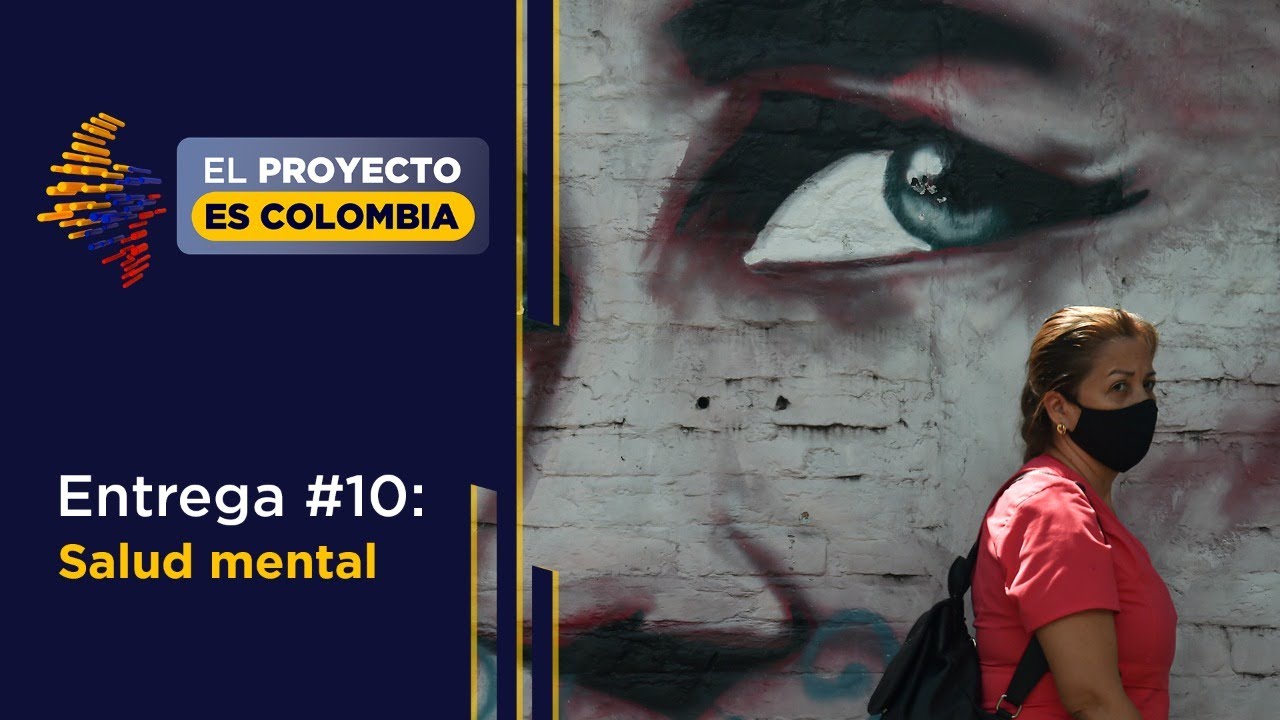
Salud Mental – El proyecto es Colombia
New Section
The discussion revolves around the mental health impacts of the COVID-19 pandemic, focusing on the psychological repercussions faced by individuals due to factors like isolation and economic challenges.
Mental Health Impacts of COVID-19
- The DANE's research in Colombia reveals that 6 out of 10 Colombians have experienced mental health symptoms due to the pandemic.
- Apart from physical effects, the pandemic has triggered a "second pandemic" of mental health issues fueled by fear, uncertainty, isolation, misinformation, grief, and financial struggles.
- Stigma surrounding mental health leads individuals to conceal emotional distress, contributing to high occupancy rates in mental health units.
- Delayed diagnosis worsens prognosis; early intervention is crucial for effective treatment and functional recovery.
Treatment Challenges and Solutions
- Lack of community-focused mental healthcare exacerbates individual suffering; a shift towards holistic patient care is essential.
- Conventional psychiatric care falls short in providing comprehensive community-based services as highlighted in the Caracas Declaration of 1990.
Detailed Discussion on Mental Health Challenges
The discussion delves into the challenges faced in mental health care, emphasizing the need for better resources and attention to address these issues effectively.
Challenges in Mental Health Care
- Mental illness should be treated as a chronic condition similar to diabetes or hypertension, highlighting the disparity in mental health care facilities compared to other countries.
- Lack of investment in mental health facilities leads to inadequate staffing and resources, impacting not only patients but also specialists.
- Shortage of interdisciplinary workforce in mental health care is evident, with a concentration of professionals in certain areas, exacerbating the chronic deficit in mental health services.
- Vulnerable populations such as healthcare workers and indigenous communities face additional challenges due to the lack of priority given to mental health care.
- The pandemic has worsened mental health issues, leading to a significant increase in suicide attempts and highlighting the need for proactive measures to prevent further impact.
Importance of Addressing Mental Health Needs Post-Pandemic
This segment underscores the urgency of addressing mental health needs post-pandemic through proactive measures and increased awareness.
Post-Pandemic Mental Health Care
- Urgent actions are required post-pandemic to prevent adverse impacts on mental health and support communities during challenging times.
- Promotion and prevention efforts are crucial for maintaining well-being, emphasizing that without proper mental health care, overall progress and stability are compromised.
- Failure to prioritize mental health care may lead to severe consequences akin to neglecting essential aspects that sustain well-being within communities.
Global Perspectives on Mental Health Services
This section provides insights into the unique challenges faced by Colombia's healthcare system concerning mental health services compared with other Latin American countries.
Colombian Healthcare System Challenges
- Colombia faces distinct challenges within its healthcare system regarding an increase in disorders compounded by the impact of COVID-19 on access to services.
- Dr. Luz Maria Salazar highlights the growing deficit in mental healthcare due to increased demand post-crisis, necessitating comprehensive strategies from various sectors for effective intervention.
Enhancing Stigma Reduction Efforts
Strategies for combating stigma associated with mental illness are discussed, emphasizing clear communication and support mechanisms.
Combatting Stigma
- Clear communication plays a vital role in reducing stigma associated with mental illness by fostering understanding and empathy across all levels of society.
Detailed Discussion on Mental Health Challenges and Solutions
The discussion delves into the adoption of telepsychiatry and teletherapy to address mental health deficits, emphasizing the importance of direct contact in psychiatry. It highlights disparities among countries in implementing strategies to bridge gaps in mental health services.
Adoption of Telepsychiatry and Teletherapy
- Approximately 70% of countries have adopted various strategies, such as telepsychiatry and teletherapy, to address gaps in in-person mental health services.
Investment in Mental Health
- Urgent call for leaders and policymakers to increase resources, including financial investment, technology, training, and capacity building for mental health professionals.
Benefits of Investing in Mental Health
- Investing in mental health leads to significant economic benefits; WHO estimates nearly a trillion dollars are lost annually due to productivity losses from depression and anxiety-related issues.
Impact of Pandemic on Mental Health
The conversation underscores the exacerbated mental health challenges during challenging times like the pandemic. It emphasizes the critical need for increased investment in mental health services.
Importance of Mental Health Investment
- Heightened awareness of existing gaps in accessing mental health services during crises like the current pandemic.
Call for Increased Resources
- Emphasizes the necessity for human resources, technical expertise, and financial support to enhance overall well-being across all stages of life.
Challenges Faced by Individuals with Mental Health Disorders
Discusses how mental health issues contribute significantly to disability rates yet receive minimal funding. Calls for a shift towards prioritizing mental health within public healthcare systems.
Funding Discrepancies
- Despite causing over one-third of total disability in the Americas, only 2% of healthcare budgets are allocated towards preventing and treating these disorders.
Impact on Individuals During Pandemic
Explores personal stories illustrating the profound impact of lockdown measures on individuals' mental well-being. Highlights struggles faced by those with pre-existing conditions exacerbated by isolation.
Personal Story: Coping with Anxiety and Depression
- Narrates an individual's experience dealing with anxiety, depression, and bipolar disorder during extended periods of isolation.
Increase in Mental Health Cases
- Reports a surge in consultations related to anxiety and depression at a prominent mental health clinic due to pandemic-induced stressors like job loss and economic uncertainties.
Response Strategies During Pandemic
Examines how healthcare systems adapted their services amidst rising demand for mental health support during the pandemic. Discusses innovative approaches implemented to meet increased needs effectively.
Healthcare System Adaptation
- Implementation of new modalities like specialized teams providing psychological support through helplines due to overwhelming demand during lockdown periods.
Surge in Helpline Calls
Understanding the Impact of the Pandemic on Mental Health
In this section, the speaker discusses the challenges faced by healthcare workers during the pandemic, highlighting the emotional and mental toll it has taken on them.
Healthcare Workers' Struggles
- Healthcare workers faced challenges without colleagues to share experiences with.
- Concerns about weakened immunity and reliving traumatic experiences.
- Children excel at focusing on small joys amidst uncertainty.
Coping Strategies and Resilience Building
This part focuses on coping mechanisms adopted by individuals, particularly children, to navigate through challenging times during lockdown.
Coping Mechanisms
- Children found value in sibling relationships and hobbies like music, painting, and cooking.
- Engaging in activities like playing piano fosters resilience and hope.
Importance of Mental Health Conversations
The speaker emphasizes the need to prioritize mental health discussions within families, communities, and governments post-pandemic.
Promoting Mental Health Awareness
- Acknowledging risks while fostering solidarity for a different outcome.
- Encouraging seeking help for mental health issues without stigma or fear.
Insights from a Psychiatrist on Mental Health Challenges
A psychiatrist sheds light on mental health conditions prevalent among Colombians pre-pandemic and how they have been exacerbated during these uncertain times.
Prevalence of Mental Health Issues
- Pre-existing mental health crisis highlighted through national surveys.
A Reflection on the Impact of the Pandemic on Mental Health
The discussion delves into the varied impacts of the pandemic on mental health, highlighting disparities in access to virtual learning based on socio-economic status and the emergence of psychological challenges among children and adults.
Impacts of Virtual Learning Disparities
- New learnings have led to increased activity levels, with disparities in virtual learning opportunities based on socio-economic status.
- Some children face challenges accessing virtual education, leading to difficulties and fears among both children and adults regarding health concerns.
Psychological Challenges and Warning Signs
- Initial manifestations of difficulties include fear of illness and death, uncertainty, lack of control, and heightened anxiety.
- Recognizing warning signs in children such as sleep disturbances, irritability, inability to focus, or expressing fears related to social interactions is crucial for early intervention.
Long-Term Mental Health Considerations Post-Pandemic
The conversation shifts towards discussing the long-term implications of the pandemic on mental health and emphasizes the importance of addressing psychological issues promptly.
Long-Term Effects and Societal Response
- The enduring effects of the pandemic may lead to a rise in psychosocial problems and mental health issues among individuals.
- It is essential for society, government entities, and healthcare systems to prioritize mental health treatment for Colombians by acknowledging the seriousness of these issues.
Promoting Resilience Amidst Challenges
This segment explores positive aspects amidst adversity during the pandemic era, emphasizing solidarity, empathy, and innovative approaches to support mental well-being.
Cultivating Resilience Through Support Systems
- Acts of solidarity, empathy, mutual care, and collective participation are vital components in navigating challenges effectively.
Turn any video into a summary like this
YouTube links, meetings, lectures — with transcripts, search, and chat.