767 FANTÁSTICO CILINDRO MAUER NW5, GANZUADO Y DESMONTADO sub eng
New Section
In this section, the speaker introduces a cylinder lock by Mauer and discusses its unique features, including an interactive pin and sliders.
Introduction to Mauer Cylinder Lock
- The cylinder is from the Mauer brand and belongs to the NW model series.
- The key is described as unique and challenging to pick due to features like an interactive pin.
- The lock contains six pins, with the first being an interactive one located in the upper part of the keyway.
Exploring Cylinder Components
This part delves into the components of the cylinder lock, focusing on sliders and their role in enhancing security.
Components of Cylinder Lock
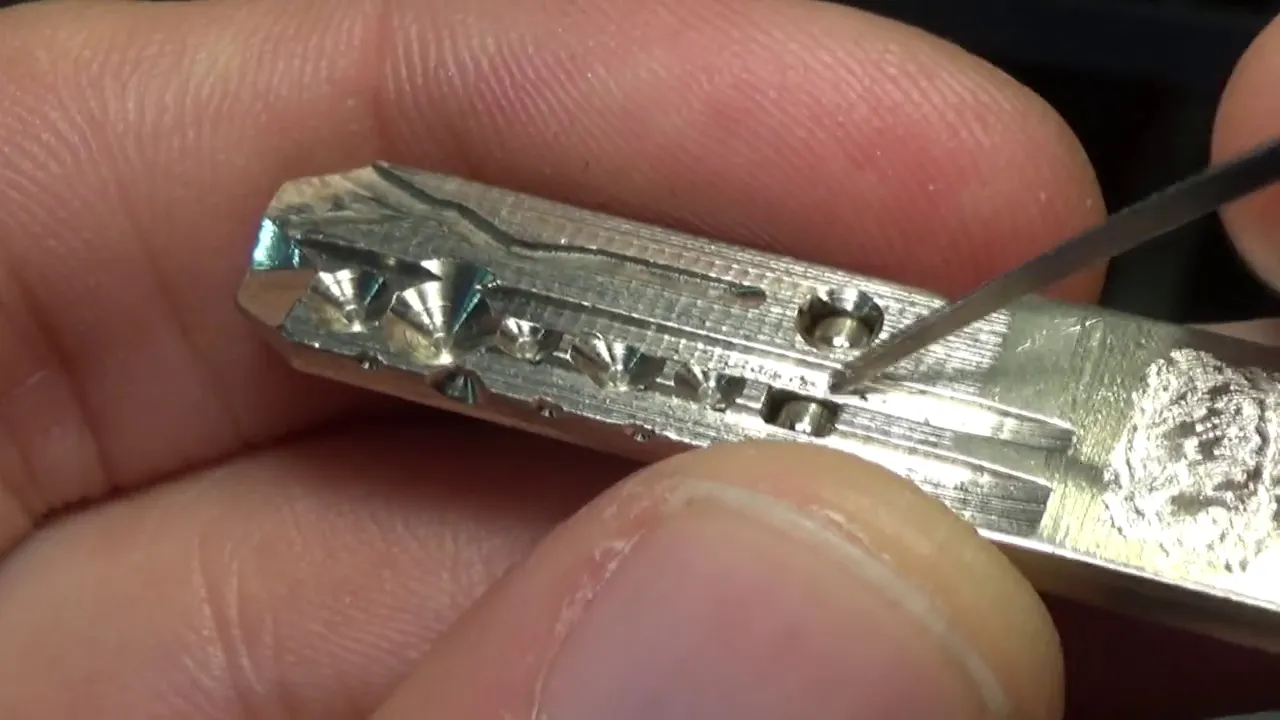
- The lock features an anti-impressioning system with four sliders at the top.
- Sliders control a sidebar and come in various configurations such as individually or together with a sidebar.
- Different slider placements offer varying feedback, making picking more challenging.
Challenges in Picking Process
Here, the speaker elaborates on challenges encountered during the picking process due to slider interactions with pins.
Picking Challenges
- Setting multiple pins can cause sliders to bind before completing pin setting.
- Repeatedly setting sliders while ensuring pins are correctly positioned adds complexity to picking.
- Slider interaction with pins increases difficulty but enhances security measures.
Disassembly and Examination
This segment focuses on disassembling the cylinder lock for examination purposes, highlighting its robust design elements.
Disassembly Process
- The speaker replaces a steel pin with brass for easier disassembly.
- Features of the Mauer cylinder include SKG stars, anti-extraction bars, staples, and drill-resistant elements.
Detailed Lock Picking Process
In this section, the speaker discusses the process of lock picking in detail, focusing on specific tools and techniques used.
Lock Picking Tools and Techniques
- When setting sliders, moving them all to the right initially makes it easier for placement.
- The speaker uses a triangular flag and a crow pick for slider movement due to their effectiveness in small keyways.
- Demonstrates moving sliders to the right while dealing with obstacles like interactive pins.
- Walkthrough of picking process: setting pins sequentially by identifying binding pins and applying tension.
Challenging Slider Manipulation
This part delves into the intricate process of manipulating sliders within a lock mechanism.
Slider Manipulation Process
- Sequentially sets sliders while navigating through spools and guard pins.
- Moves sliders gradually to the right with decreased tension for precise manipulation.
- Checks slider positions after turning plug; emphasizes the tactile difference between set and unset sliders.
Complex Cylinder Disassembly
The speaker explores disassembling a complex cylinder lock, highlighting its internal components.
Disassembly Process Insights
- Examines lower pin chambers and passive elements within the lock assembly.
- Details the challenge of understanding slider mechanisms within the cylinder during disassembly.
Internal Components Examination
This segment focuses on examining internal components post-disassembly for further insights into lock construction.
Internal Component Analysis
- Initiates disassembly process to reveal intricacies of plug design and pin chambers.
Detailed Examination of Lock Components
In this section, the speaker provides a detailed examination of various components of a lock, focusing on the slider and its interaction with other parts.
Slider and Body Interaction
- The ends of the slider fit into specific chambers in the body, including side pockets for passives and designated slots for the slider. This configuration prevents rotation.
- Noteworthy plugs related to the slider include a large plug with an interactive pin that features a strong spring mechanism. This pin interacts with the key's interactive element.
Key Pins and Drivers
- Key pins are uniform in size to control protrusion within the keyway. Drivers include normal, spool, and T-pin drivers strategically placed to affect picking dynamics.
- The sixth driver position plays a crucial role in achieving an opening by setting the slider correctly. This end can pose challenges during manipulation.
Complexity and Challenges
- Despite appearances, manipulating these lock components is far from easy due to intricate mechanisms like sliders. Setting sliders correctly is particularly challenging but essential for successful openings.
- Understanding how each element functions, such as springs and sliders unique to this lock design, is critical for effective manipulation.
Detailed Analysis of Plug Elements
This segment delves into the intricacies of plug elements within the lock system, highlighting their design features and functionalities.
Plug Element Examination
- The plug elements feature spherical components that aid in guiding movement within the lock. These elements interact with key components during picking attempts.
- Each plug component has distinct numbering and shapes that correspond to specific positions within the lock structure. These elements play a crucial role in securing or impeding access.
Functional Insights
- The numbered ends of plug elements align with corresponding chambers in the body of the lock, contributing to its overall complexity and security measures.