Synthesis of Aspirin Lab
Making Aspirin: A Step-by-Step Guide
Introduction to the Synthesis Process
- The synthesis of aspirin, scientifically known as acetylsalicylic acid, begins with combining salicylic acid and acetic anhydride.
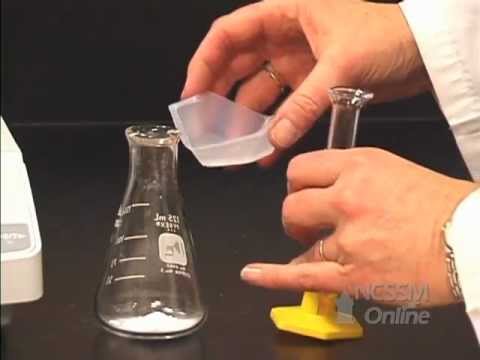
- The initial measurement involves weighing out 2.27 grams of salicylic acid for the reaction.
Adding Reactants
- Between four and five milliliters of acetic anhydride is added to ensure complete mixing with salicylic acid.
- Five drops of concentrated sulfuric acid are introduced to create an acidic environment that accelerates the reaction.
Heating and Crystallization
- The mixture is heated in a boiling water bath for approximately 10 minutes, resulting in a yellowish-brown tint indicating progress.
- After heating, 10 mL of cold water is added to facilitate the formation of aspirin crystals.
Filtering Aspirin Crystals
- A sidearm flask and suction filter setup are used to separate crystallized aspirin from the solution using low pressure created by an aspirator.
- Filter paper is placed inside the funnel; rinsing ensures all aspirin is collected effectively.
Recrystallization Process
- Ethanol is used to rinse off crystals from filter paper, allowing for recrystallization which yields larger crystals.
- Warm water (60 mL) is added; stirring initiates cloudiness indicating early crystallization before cooling it down again.
Final Steps and Weighing
- After filtering again, dried filter paper with aspirin on it needs air drying before weighing.
- Close-up views show what one of the final aspirin crystals looks like after completion.
Turn any video into a summary like this
YouTube links, meetings, lectures. With transcripts, search, and chat.