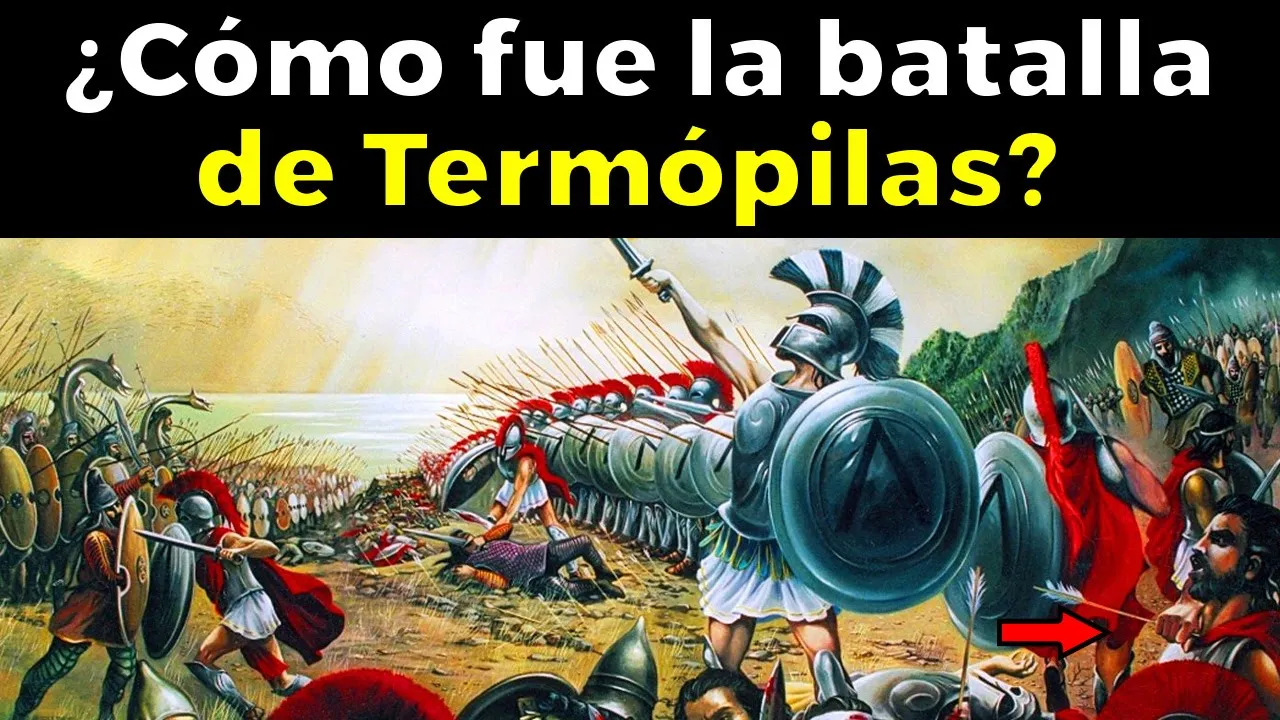
Cómo fue la batalla de Termópilas y por qué los espartanos en realidad no fueron 300
Battle of Thermopylae: Separating Fact from Fiction
The discussion delves into the historical inaccuracies surrounding the Battle of Thermopylae, particularly focusing on the discrepancies between popular culture portrayals and historical records.
The Myth of 300 Spartans
- The movie "300" by Zack Snyder perpetuated myths about the Battle of Thermopylae, depicting Leonidas as young when he was actually older during the battle.
- There is debate over the actual number of soldiers who fought alongside Leonidas at Thermopylae, with historical sources questioning the accuracy of the claim that there were only 300 Spartans.
Historical Context and Strategic Significance
This section provides insights into the geopolitical landscape leading to the Battle of Thermopylae and its strategic importance in ancient warfare.
Rise of Persian Empire
- The Persian Empire, under Darius I, sought to expand its territories into Greece for both power and prestige.
- Athens and Sparta formed an alliance to resist Persian domination after rejecting Darius's demands for submission.
Xerxes' Ambitions
- Xerxes succeeded Darius I with ambitions to fulfill his father's expansion goals by launching a massive invasion against Greece.
- Estimates vary regarding the size of Xerxes' army, ranging from 200,000 to 2.8 million soldiers, with around 300,000 being a commonly accepted figure.
Military Strategy and Terrain Analysis
Analyzing the military strategies employed by both Greek and Persian forces at Thermopylae based on terrain features.
Persian Invasion Preparation
- Persians strategically positioned supplies and constructed bridges for troop movement across Europe for their invasion led by Xerxes.
- Xerxes deployed a vast army supported by a significant naval fleet to invade Greece through Thermopylae's narrow passageway.
Terrain Characteristics
- Thermopylae's geography featured narrow passages like Eastern Gate, Western Gate, and Central Gate where Greeks defended against Persian advances.
War History and the Battle of Thermopylae
The transcript delves into the historical events surrounding the Battle of Thermopylae, focusing on the interactions between the Greeks and Persians during this significant conflict.
Greek Preparations and Alliances
- In 481 BC, Greece mobilized around 6,000 to 7,000 men for defense. A crucial alliance formed between Sparta and Athens, combining military and naval strength.
Strategic Movements and Diplomacy
- Leonidas of Sparta took charge of combat at Thermopylae. The Greeks positioned a fleet to prevent Persian coastal advancement.
Persian Tactics and Negotiations
- Xerxes delayed attacking the Greeks, offering them a chance to surrender. Diplomatic efforts aimed to persuade Greek surrender but were met with defiance by Leonidas.
Intense Battles at Thermopylae
- Xerxes underestimated Greek resistance, leading to prolonged fighting over three days. Spartan military training proved crucial in battle tactics.
Turning Points and Betrayal
- A Greek traitor provided Persians with a strategic advantage by revealing an alternative route. This betrayal shifted momentum towards the Persians.
The Fall of Leonidas at Thermopylae
This segment focuses on the events leading to the fall of Leonidas at Thermopylae, highlighting key decisions and outcomes that shaped this critical moment in history.
Betrayal Unfolds
- Ephialtes' betrayal exposed Greek vulnerabilities, prompting Leonidas to strategize a partial retreat to regroup for future battles.
Sacrifice for Strategy
- Despite overwhelming odds, Leonidas chose sacrifice over surrender to uphold Spartan honor. His final stand symbolized bravery and loyalty unto death.
The Battle of Thermopylae: Myths and Realities
The transcript discusses the Battle of Thermopylae, focusing on the myths and realities surrounding this historic event.
The Sacrifice at Thermopylae
- Despite the intention to retrieve their king's body, Greek forces had to take cover behind a power wall due to the appearance of immortal beings.
- Only two Spartans survived the battle - Aristodemus and Pantites, with many Greeks falling victim to Persian arrows.
- The Greek alliance faced challenges as they lacked reinforcements, contrary to the popular belief that only 300 Spartans fought at Thermopylae.
Greek Forces and Numbers
- King Leonidas led a diverse Greek force comprising Spartans, hoplites from various regions, and other soldiers, totaling around 6,200 men.
- Historians differ in estimating the exact number of Greek combatants, with figures ranging from 5,200 to 11,200 due to rounding practices.
Spartan Strategy and Limitations
- Spartan forces were limited to 300 soldiers due to religious festivities prohibiting mobilization; however, this number could have varied slightly.
- Alongside the 300 Spartans were non-combatant citizens armed for defense but not recognized as Spartan citizens.
Legacy of Thermopylae and Subsequent Battles
This section delves into the legacy of the Battle of Thermopylae and its impact on subsequent battles in ancient Greece.
Myth vs. Reality
- The Battle of Thermopylae is both legendary and mythologized; while Persians won initially, they faced defeat in later battles like Salamis and Plataea.
Defeat at Salamis
- In October 480 BC, Themistocles led Athenian ships against Persian forces at Salamis where Greeks triumphed despite being outnumbered.
Historical Significance
- The narrow pass at Thermopylae witnessed significant sacrifices but has since eroded over time; however, its memory remains vital in human history.
Conclusion: Remembering Thermopylae
Concluding thoughts on the enduring significance of the Battle of Thermopylae in historical memory.
Retaining History