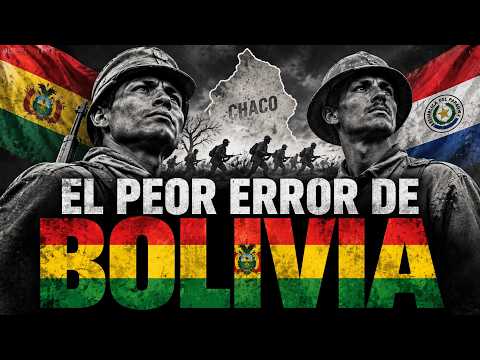
La Guerra del Chaco: el baño de sangre olvidado de Sudamérica » la guerra entre Paraguay y Bolivia
The Battle of Boquerón: Prelude to the Chaco War
Context of the Conflict
- On September 29, 1932, around 240 wounded Bolivian soldiers surrendered at Fort Boquerón after being besieged for 20 days.
- This battle marked the beginning of the Chaco War, one of South America's bloodiest conflicts in the 20th century.
- Despite extensive searches for oil in the region since then, significant discoveries have remained elusive.
Historical Background
- Bolivia had a larger population and military resources compared to Paraguay at the war's onset; however, Paraguay was determined to defend its territory.
- Oil companies like Standard Oil and Shell were believed to influence both nations' motivations for conflict over territorial claims.
The Underlying Causes of War
Motivations Behind the Conflict
- Historians argue that while oil interests existed, deeper national pride and unresolved historical grievances fueled the war.
- The Chaco Boreal's harsh geography played a crucial role in shaping military strategies and outcomes during battles.
Strategic Importance of Water
- Control over water sources was vital; knowledge about water locations could determine military success in such arid conditions.
- General Iván Belyaev (Juan Belyaev), who mapped water sources in Chaco, became instrumental for Paraguayan forces.
Escalation into Full-Blown War
Initial Engagements
- Tensions escalated when Bolivia attacked Paraguayan fortifications near Lake Chuquisaca on June 15, 1932.
- President Daniel Salamanca ordered further assaults on Paraguayan positions despite previous diplomatic resolutions failing.
Mobilization and Strategy
- Paraguay rapidly mobilized its forces under Colonel José Félix Estigarribia as they sought to strike before Bolivian reinforcements arrived.
The Siege of Boquerón
Key Events During the Siege
- After initial failed assaults on Fort Boquerón by Paraguayans, Estigarribia opted for a siege strategy instead.
- By September 29, only about 240 Bolivians emerged from Boquerón after enduring severe shortages and heavy bombardment.
Shifts in Command and Strategy
Leadership Changes
- Following setbacks at Boquerón, Bolivia appointed General Hans Kundt with promises of swift victory against Paraguay’s forces.
Challenges Faced by Bolivia
- Many Bolivian troops struggled with logistics due to their mountainous origins; it took them significantly longer to reach combat zones than their Paraguayan counterparts.
Turning Points in Warfare
Major Battles
- Kund's frontal assault on Nanawa resulted in heavy losses for Bolivia without achieving strategic gains.
Encirclement Tactics
- Estigarribia employed encirclement tactics effectively against Bolivian divisions leading to significant captures at Campo Vía.
Consequences of Military Engagement
Political Fallout
- After suffering defeats, Salamanca was ousted from power amid growing discontent within Bolivia regarding military leadership failures.
Continuing Struggles
- Despite victories by Paraguay throughout various engagements, logistical challenges persisted as they advanced deeper into enemy territory.
Final Stages of Conflict
Lasting Impacts
- As internal strife grew within Bolivia’s government amidst ongoing warfare pressures led by Busch’s coup against Salamanca.
Conclusion of Hostilities
- A ceasefire agreement was reached on June 12, 1935; however neither side achieved clear objectives regarding territorial disputes or resource control.
Aftermath: Legacy of the Chaco War
Human Cost
- Estimates suggest that between 50,000–80,000 Bolivians died alongside approximately 35,000–50,000 Paraguayans during this brutal conflict.
Long-Term Effects
- Both nations faced political upheaval post-war as leaders changed hands frequently amid public dissatisfaction stemming from wartime losses.
Turn any video into a summary like this
YouTube links, meetings, lectures. With transcripts, search, and chat.