UD4 Normas de PRL y protección ambiental 4
Electricity Static and Its Effects on Electronic Components
Understanding Static Electricity
- Static electricity is defined as the accumulation of electric charge in certain areas, often due to movement or friction between objects.
- Friction from materials like wool can easily generate static charges, especially in dry environments where humidity is low, allowing for better charge retention.
Accumulation and Transfer of Charge
- Excessive static charge can accumulate on human bodies or objects, leading to potential damage when touching sensitive electronic components such as RAM or motherboards.
- Human tolerance for voltage is relatively high (up to hundreds of volts), but electronic components are designed for much lower voltages (5V to 12V), making them susceptible to damage from static discharges.
Characteristics of Static Discharge
- Static charges can reach hundreds of volts, particularly on insulating materials like plastic or PVC that do not conduct electricity well.
- The process of generating static electricity through friction can be visually demonstrated by observing energy discharge similar to a lightning bolt.
Demonstrating Static Effects
- A practical example involves rubbing a balloon against a sweater; this action transfers electrons from the sweater to the balloon, creating an imbalance in charge.
- When charged objects come into contact with conductive materials (like circuit boards), electrons may jump across gaps, potentially damaging sensitive components.
Industry Implications and Prevention Strategies
- Touching electronic components without proper precautions can lead to significant damage due to sudden electron transfer during static discharge events.
- The cost implications for manufacturers are substantial; losses occur when defective products result from electrostatic discharge during handling processes.
Mitigating Static Electricity Risks
- Workstations are often equipped with grounding systems that help dissipate accumulated static charges safely.
Understanding Static Electricity in Electronics
Importance of Grounding and Conductivity
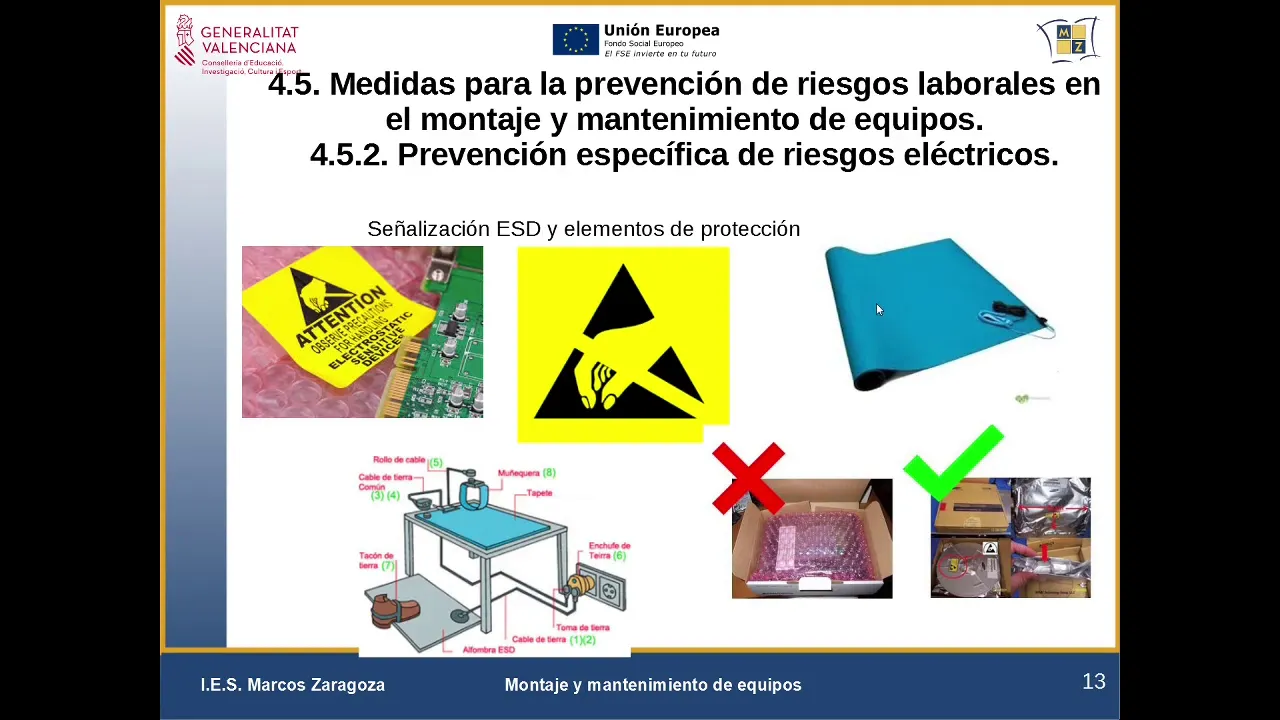
- A grounded table setup prevents static electricity accumulation, acting as a sink for excess charge. The grounding connection is crucial for discharging static electricity safely.
- Workers wear special anti-static shoes and wristbands to ensure that any built-up static charge is discharged into the ground, protecting sensitive electronic components from damage.
- Intel's factory employs sophisticated methods to minimize the risk of static damage, highlighting the importance of grounding in electronics manufacturing.
Best Practices for Handling Static Sensitive Components
- In dry environments with rough materials, friction can generate static; thus, using anti-static clothing and mats is essential when working in workshops.
- Transport packaging for electronic components should be made from anti-static materials to prevent external static charges from damaging internal components during transit.
- Anti-static gloves and wrist straps are recommended when handling computers to mitigate risks associated with electrostatic discharge (ESD).
Signage and Safety Measures
- Proper signage indicating areas sensitive to ESD helps raise awareness among workers about potential hazards related to static electricity.
- All equipment used for handling sensitive parts must be connected to a common ground outlet specifically designed for ESD protection.
Packaging Considerations
- Appropriate packaging materials should not accumulate static; instead, they should protect components from ESD while being handled or stored.
- Metalized plastic bags are ideal for containing electronic parts as they shield against external electric fields that could cause damage.
Debunking Myths About Static Electricity
- A video featuring Mexican creators challenges common perceptions about the dangers of static electricity by demonstrating its effects on electronics under controlled conditions.
- The video illustrates that while some believe minor static shocks won't harm devices, it emphasizes caution since even small discharges can potentially disrupt operations or damage circuits.
Conclusion on Static Electricity Risks
Understanding Static Electricity Protection in Computer Hardware
Importance of Circuit Protection
- The discussion emphasizes the significance of circuit protection against static electricity, highlighting that improved designs are being implemented to mitigate risks.
- Common failure points identified include network ports and USB connections, which now feature enhanced protective measures against static discharge.
Precautions Against Static Discharge
- It is crucial to take precautions against static electricity; using anti-static wristbands and mats can help protect sensitive components during handling.
- Touching the metal chassis of a computer while grounded helps dissipate any static charge accumulated on the body, reducing the risk of damage to internal components.
Grounding Techniques
- Proper grounding is essential; connecting the power supply to a grounded outlet allows for safe dissipation of static electricity through the building's electrical system.
- A recommended practice includes ensuring that the power supply is connected but keeping the computer turned off while performing maintenance or upgrades to minimize risks associated with static discharge.
Best Practices for Handling Computer Components
Turn any video into a summary like this
YouTube links, meetings, lectures. With transcripts, search, and chat.