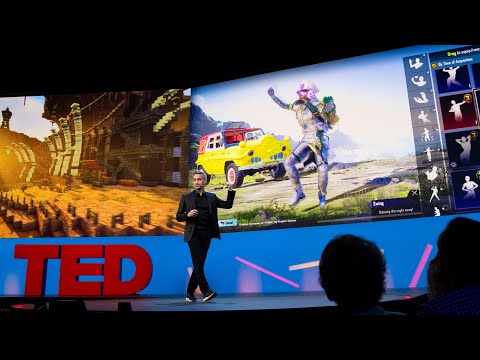
How Gaming Can Be a Force for Good | Noah Raford | TED
The Future of Social Movements: Video Games as a Platform
The Rise of Virtual Fashion and Conspiracy Theories
- A significant portion of teenage gamers in America spends more on virtual fashion in video games than on physical clothing, indicating a shift in consumer behavior.
- Approximately 50 million people believe the government is controlled by a secretive group, reflecting widespread conspiracy theories and societal distrust.
- These trends highlight an increasingly chaotic world where many anticipate worsening conditions.
Video Games as Platforms for Social Unrest
- The speaker predicts that social unrest will rise from unexpected sources, particularly video games, which are often mischaracterized as merely violent.
- Video games are positioned to become battlegrounds for future social movements and recruitment tools for various causes.
Historical Context: Hassan ibn Sabbah and the Order of Assassins
- The concept of "video gamecults" is introduced, drawing parallels with historical figures like Hassan ibn Sabbah who inspired extreme devotion among followers.
- Hassan's creation of the Order of Assassins illustrates how charismatic leadership can mobilize individuals to sacrifice themselves for a cause.
Myth and Meaning in Leadership
- The legend surrounding Hassan suggests he created a myth involving simulated experiences that motivated his followers to act against their enemies.
- This historical example serves to illustrate how leaders can instill purpose during uncertain times using the best communication methods available.
Video Games: Dominance and Engagement
- Video games have surpassed traditional entertainment industries, becoming the leading form of engagement globally with substantial financial investments in virtual goods.
- Players spend over $130 billion annually on virtual items, highlighting the economic significance of gaming beyond mere entertainment.
Psychological Needs Fulfilled by Gaming
- Video games fulfill essential psychological needs such as community belonging, achievement, and purpose—elements often lacking in real-world interactions.
- Gamers report intense emotional experiences within these digital worlds that provide fulfillment comparable to significant life events.
Cultural Shifts Among Younger Generations
- Children today prioritize digital assets over physical gifts, indicating a cultural shift towards valuing virtual economies.
Understanding the Rise of Gamecults
The Current State of Anxiety and Discontent
- One third of US undergraduates report moderate to severe anxiety, with rates of suicidal thoughts and severe depression doubling in the last decade.
- A global study shows two-thirds of parents believe their children will grow up poorer and less successful, indicating widespread societal despair.
- This sense of disillusionment drives people to seek answers from various sources, including charismatic leaders.
Historical Context of Cult-like Movements
- Charismatic leaders have historically influenced social change, from the Protestant Reformation to modern movements like QAnon.
- Cults share characteristics such as inspiring a sense of higher purpose through good versus evil narratives that seem irrational to outsiders.
- They also utilize tools and structures from dominant organizations, adapting to contemporary contexts.
Emergence of Gamecults
- The concept of "gamecults" arises when billions seek meaning in virtual worlds combined with gaming culture and crypto economies.
- Examples range from benign fandom behaviors (like BTS stans online) to extreme recruitment tactics by groups like Hezbollah using video games for training.
Real-world Consequences of Virtual Extremism
- Online platforms facilitate radicalization; Discord servers and YouTube channels draw individuals deeper into extremist ideologies.
- QAnon's evolution illustrates how online communities can lead to real-world actions, culminating in significant political events like the Capitol invasion.
Future Implications: Gaming's Role in Society
- Futurists must consider not just technological advancements but also potential societal disruptions (e.g., traffic jams).
- In 10–20 years, augmented reality and thriving crypto economies may lead to immersive gaming experiences influencing daily life significantly.
Positive Alternatives: Envisioning Beneficial Gamecults
- Proposals for positive gamecult dynamics include:
- Druidica: A nature-focused game aimed at ecosystem restoration and preserving indigenous knowledge.
- Walkabout: A survival game for refugees promoting skill sharing and mutual aid linked with messages of compassion.
- Temple: A pray-to-earn game fostering coordinated acts of care within meditation spaces.
Call to Action for Stakeholders
- There is an urgent need for dialogue among policymakers, media companies, game designers, religious institutions, and parents about the implications of these trends.
Turn any video into a summary like this
YouTube links, meetings, lectures. With transcripts, search, and chat.