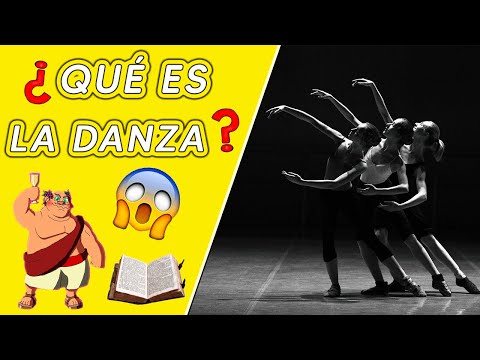
¿QUÉ ES LA DANZA? / HISTORIA - TEORÍA - DEFINICIÓN
What is Dance?
Introduction to Dance
- The video welcomes viewers, suggesting they are dancers, students, or individuals interested in dance.
- It highlights the varying perceptions of dance among teachers, students, and dancers themselves.
Historical Context of Dance
- Dance has roots in prehistory as a means for humans to express feelings beyond verbal communication.
- Early dances were integral to rituals related to fertility and war; they served as intimidation methods before battles.
Cultural Significance of Dance
- The Greeks were the first to recognize dance as an art form, dedicating a muse named Terpsichore to it.
- The practice of dance was associated with Dionysus, the god of fertility and wine.
Defining Dance
- After researching various sources, the speaker concludes that dance is an art involving bodily movements in time and space.
- It serves as a non-verbal form of communication where emotions are expressed through movement and gestures.
Emotional Impact of Dance
- While often accompanied by music, dance can exist without it; however, this is less common.
- Dancing transcends mere movement; it becomes a pathway to happiness and emotional release from fears and insecurities.
Universal Access to Dance